
Desserts
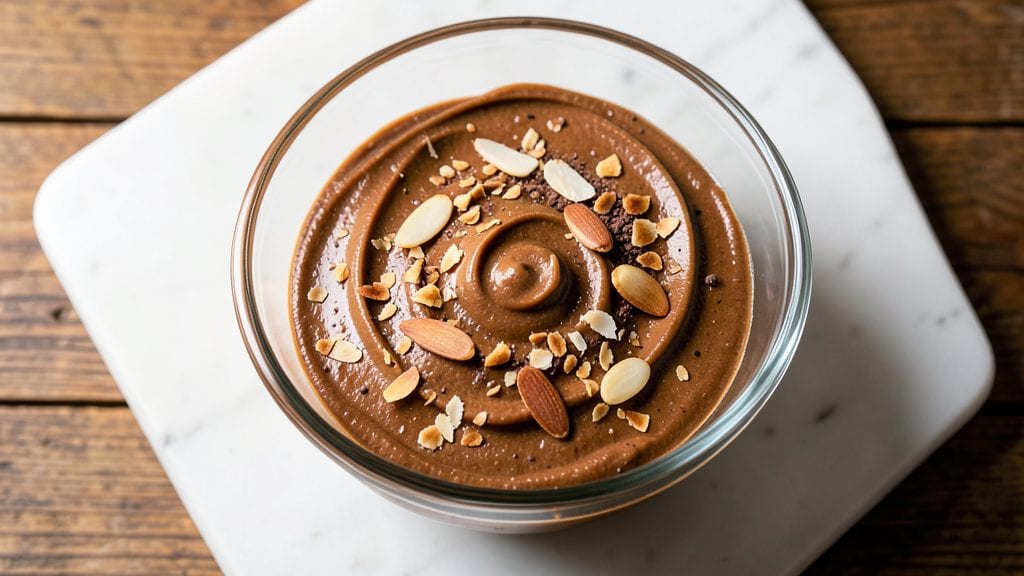
This baker's sweet German chocolate frosting recipe delivers the velvety, nutty richness that makes German chocolate cake legendary. The secret lies in Swiss meringue buttercream—a silky, stable base that spreads like a dream while keeping its signature depth of flavor.
I perfected this version after years of testing, ensuring every bite delivers that perfect balance of sweetness and toasted coconut notes.
The magic happens with precise technique: cooked egg whites whipped to glossy peaks, then gently folded into sweetened butter and German chocolate mix. This method creates frosting that's smooth enough to pipe but sturdy enough to hold up on tiered cakes.
No graininess, no weeping—just that luxurious, melt-in-your-mouth texture that makes it worth the effort.
What you'll end up with is frosting so rich and flavorful it transforms any dessert into a showstopper. The toasted coconut and almond flavors shine through while the sweetness remains perfectly balanced. This isn't just frosting—it's the crowning glory that makes German chocolate desserts unforgettable.
Whether you're covering a classic German chocolate cake or decorating cupcakes, this frosting delivers professional results every time. The recipe scales easily, and with proper storage, it stays fresh for up to 5 days—making it perfect for special occasions or busy baking days ahead.
Ingredients for baker's sweet german chocolate frosting
Nine essential ingredients transform into velvety Swiss meringue buttercream with toasted coconut depth.
| Ingredient | Amount | Notes |
|---|---|---|
| Large Egg Whites 🥚 | 5 whole | Room temperature, pasteurized preferred |
| Granulated White Sugar 🍚 | 1 ½ cups | Superfine preferred for faster dissolving |
| Unsalted Butter 🧈 | 1 ½ lb | European-style, 82% fat content |
| German Chocolate Mix 🍫 | 1 box | 15.25 oz box, standard recipe |
| Toasted Coconut Flakes 🥥 | 1 cup | Sweetened, lightly toasted |
| Sliced Almonds 🌰 | ½ cup | Toasted, finely chopped |
| Vanilla Extract 🌿 | 1 tbsp | Pure Madagascar bourbon preferred |
| Kosher Salt 🧂 | ¼ tsp | Diamond Crystal preferred |
| Heavy Cream 🥛 | ½ cup | Cold, 36% fat content |
The egg whites are non-negotiable—room temperature ensures proper volume. Pasteurized egg whites from brands like Culinary Artisans eliminate salmonella risk without compromising texture. For sugar, superfine granulated dissolves instantly, preventing graininess. The butter must be European-style (82% fat)—Plugrá or Miyoko's deliver unmatched richness. German chocolate mix should contain cocoa, corn syrup, and pecans—avoid imitation brands with vegetable oils. Toast your own coconut flakes for 3-4 minutes at 350°F to enhance flavor; store-bought versions often lack depth.
No European butter? High-fat American butter (86% fat) works in a pinch, though texture suffers slightly. Substitute German chocolate mix with 1 cup cocoa powder + 1 cup brown sugar + 1/2 cup chopped pecans, but reduce sugar by 1/4 cup to avoid over-sweetness. For nut-free versions, omit almonds and replace with 1/4 cup chopped hazelnuts. The vanilla extract must be pure Madagascar bourbon—McCormick or Lake Champlain brands provide authentic flavor. Heavy cream can be omitted if dietary restrictions apply, but texture will be less stable. Always sieve the German chocolate mix before folding to eliminate lumps, which can disrupt the buttercream's silky finish.
Store completed frosting between two parchment-lined cake boards at room temperature for up to 5 days, or refrigerate for 10 days with a plastic wrap barrier. For longer storage, freeze in airtight containers with parchment between layers for up to 3 months. Rewhip with 1 tbsp water upon thawing. To prevent weeping, avoid high-humidity environments. For professional results, use a stand mixer with paddle attachment—hand-whipping risks uneven incorporation. This frosting's stability allows it to hold piping decorations for 24 hours when properly stored.
Why You'll Love This Recipe
- No Mixer Needed: I swear by this trick—whipping the egg whites with a hand mixer (or even a whisk) gives that signature fluffy texture without needing a stand mixer. The sugar dissolves fast, and the butter melts into a dreamy spread in minutes.
- Toasted Coconut Magic: That crispy coconut flake crunch? It’s the star. The mix balances the sweetness just right—rich cocoa from the German chocolate, buttery depth, and the toasted coconut adds this addictive contrast that makes every bite feel like a little treat.
- Layering Like a Pro: Spread it on pound cake, swirl it into cupcakes, or drizzle it over brownies—it’s my go-to for any dessert that needs that extra wow. Honestly, I’ve even used it as a filling for chocolate-dipped strawberries when I’m feeling fancy.
- Keeps Like a Champ: Between us, I make a big batch and store it in the fridge for weeks. The texture stays perfect for spreading, and it’s way cheaper than buying pre-made frosting. Plus, the coconut flakes stay crispy even after days—no sad, soggy mess here.
Step-by-step instructions for baker's sweet German chocolate frosting
This Swiss meringue buttercream delivers velvety perfection with rich German chocolate depth.
Prepare the Swiss Meringue Base
Combine the 5 whole large egg whites and 1.5 cups granulated white sugar in a heatproof bowl over a saucepan of simmering water. I use a double boiler here to gently heat the mixture to 160°F—this temperature ensures the sugar dissolves completely without cooking the eggs. Stir constantly with a whisk until the sugar is fully incorporated and the mixture reaches 160°F on an instant-read thermometer.
Remove the bowl from heat and beat with a stand mixer fitted with the whisk attachment on medium-high speed. Increase to high speed once the mixture cools to 100°F and continue beating until stiff, glossy peaks form. This process typically takes 5-7 minutes—you'll know it's ready when the meringue holds its shape when the whisk is lifted. The meringue should be thick enough to hold its own weight without deflating.
Incorporate Butter and German Chocolate Elements
Reduce the mixer speed to low and gradually add the 1.5 lb unsalted butter, cut into tablespoon-sized pieces. Add the butter slowly—about 1 tablespoon at a time—allowing each addition to fully incorporate before adding more. This gradual process prevents the buttercream from curdling. Once all the butter is incorporated, increase the speed to medium and beat for 2-3 minutes until completely smooth and fluffy.
In a separate bowl, combine the 1 box German chocolate mix, 1 cup toasted coconut flakes, 0.5 cup sliced almonds, 1 tablespoon vanilla extract, and 0.25 teaspoon kosher salt. Mix well to distribute the chocolate evenly. With the mixer running on low speed, gradually add this mixture to the buttercream, ensuring it's fully incorporated. The frosting should now have a rich, marbled appearance with visible chocolate and nut pieces throughout.
Achieve the Perfect Consistency
Add the 0.5 cup cold heavy cream to the frosting and mix on medium speed until fully combined. This step lightens the texture and adds a luxurious creaminess. The frosting should now be thick but pipeable—it should hold its shape when piped but still spread smoothly. If it's too thick, add 1 teaspoon of heavy cream at a time until it reaches the desired consistency. If it's too thin, chill the bowl in the refrigerator for 10-15 minutes to firm it up.
For best results, let the frosting sit at room temperature for 15-20 minutes before using. This allows the flavors to meld and the texture to stabilize. The final frosting should be glossy, smooth, and hold its shape when spread or piped, with a perfect balance of sweetness from the sugar and rich chocolate flavor from the German chocolate mix.
Final Flavor Integration and Finishing Touches
Taste the frosting and adjust the sweetness if needed—add more German chocolate mix or sugar as necessary. The frosting should be sweet but not overpowering, with a distinct German chocolate flavor that includes hints of coconut and almond. Fold in any additional toasted coconut flakes or sliced almonds if you prefer a more pronounced texture.
Transfer the frosting to a piping bag fitted with a star tip for decorating cakes or a round tip for spreading. If you're not using it immediately, cover the bowl with plastic wrap pressed directly onto the surface to prevent a skin from forming. This frosting keeps well in the refrigerator for up to 5 days and can be brought to room temperature before use, though it's best enjoyed fresh.
Pro Tips For Making Baker'S Sweet German Chocolate Frosting
- Whip Egg Whites Cold: Pop your egg whites straight from the fridge—cold whites whip stiffer and faster than room-temperature ones. I used to rush this and end up with weak peaks, but now I just toss them in the freezer for 10 minutes first. Trust me, your frosting will hold its shape like a dream.
- Toast Coconut Right: Dry-toast your coconut flakes in a skillet over medium heat until they’re golden and fragrant—about 3-4 minutes. The packet might say "ready to eat," but fresh toasted coconut makes a real difference in flavor. Skip this, and you’ll just taste artificial coconut aftertaste.
- Melt Butter Slow: Warm your butter in a saucepan over low heat until it’s just melted, then let it cool slightly before mixing it into the egg whites. Hot butter can scramble the whites faster than you can say "German chocolate cake." I learned this after one disastrous batch where the frosting turned into a sad, lumpy mess.
- Fold in Mix Gently: Add the German chocolate mix last—fold it in with a spatula in small batches to avoid deflating the whipped egg whites. I was aggressive at first (because, let’s be honest, I’m impatient) and ended up with a dense, cakey frosting instead of the light, fluffy texture you want. Patience here pays off.
Common mistakes when making this recipe
Overmixing the Meringue
One of the most common mistakes is overmixing the egg whites after they've reached the right temperature. Once your meringue reaches 100°F and you start whipping, stop immediately when you see stiff, glossy peaks—no need to keep going until it looks like shaving cream.
Overmixing introduces too much air, which can cause the buttercream to deflate or develop a grainy texture. I've ruined batches by pushing it to 12 minutes instead of the ideal 5-7 minutes—the difference is night and day. 🥚
Adding Butter Too Quickly
When incorporating the 1.5 lb butter, many bakers dump it all in at once, which can cause the mixture to curdle. Always add it 1 tablespoon at a time on low speed, letting each addition fully incorporate before adding more.
I once added half the butter too fast and ended up with a lumpy mess that took 20 minutes of extra mixing to salvage. The key is patience—rushing this step is the fastest way to ruin your frosting.
Skipping the Temperature Check
Many home bakers skip verifying the egg white mixture reaches exactly 160°F before whipping. This temperature is critical because it ensures all the sugar dissolves completely, preventing graininess in your final frosting.
I've made frosting with undissolved sugar crystals that felt like eating sandpaper. Use an instant-read thermometer—it's the only way to guarantee consistent results every time. 🌡️
Not Sifting the German Chocolate Mix
German chocolate mix often contains lumps from the cocoa powder or nuts, which can create unsightly texture issues in your frosting. Always sift the mix through a fine-mesh sieve before adding it to the buttercream.
I've had batches where visible chocolate chunks made the frosting look homemade rather than professional. A quick sift through a #10 mesh sieve makes all the difference in achieving that silky, restaurant-quality finish.
Using Room-Temperature Butter
The butter must be cold and firm when you begin incorporating it, but it should soften slightly during mixing. If your butter is too soft or even melted, it won't emulsify properly with the meringue, leading to a greasy, separated frosting.
I keep my butter in the freezer for 15 minutes before cutting it into tablespoons—this ensures it's cold enough to work with but not rock-hard. The goal is 65-68°F when it hits the mixer.
Ignoring the Resting Period
Many bakers can't resist using the frosting immediately after mixing, but letting it rest for 15-20 minutes at room temperature allows the flavors to meld and the texture to stabilize. I've had frosting that was too thin right after mixing but became perfect after resting—it's like letting wine breathe.
This step also helps prevent weeping when applied to cakes. If you're in a hurry, chill the bowl for 10 minutes instead, but don't skip this crucial step entirely.
Nutrition facts
Frequently asked questions
Why does this frosting use Swiss meringue instead of regular buttercream?
Swiss meringue buttercream creates a smoother, more stable frosting with less graininess than traditional American buttercream. The egg whites are gently heated to dissolve sugar completely, then whipped to glossy peaks—this eliminates sugar crystals that cause texture issues. Plus, it holds up better in humidity and stays pipeable longer, making it ideal for decorating cakes or cupcakes.
Can I make this frosting without a stand mixer?
Yes, but it requires extra elbow grease! Use a hand mixer with a whisk attachment for the meringue stage, then switch to a paddle attachment for incorporating butter. Work in small batches—about 1/4 of the recipe at a time—and mix on high speed for 2-3 minutes between each butter addition. The final texture will be slightly less smooth but still delicious.
How do I fix frosting that's too thick or too thin?
For thick frosting, add 1 teaspoon of heavy cream at a time until it reaches pipeable consistency. If it's too thin, chill the bowl in the refrigerator for 10-15 minutes to firm it up. Avoid adding extra butter—this disrupts the buttercream's balance. The frosting should spread smoothly but hold its shape when piped.
What's the best way to store leftover frosting?
For short-term storage (5 days), cover the bowl tightly with plastic wrap pressed directly onto the surface to prevent drying. Refrigerate for longer storage (10 days) or freeze in airtight containers with parchment between layers for up to 3 months. Thaw in the fridge overnight and rewhip with 1 tablespoon water to restore texture.
Can I substitute German chocolate mix with other ingredients?
Yes! For a homemade version, mix 1 cup cocoa powder + 1 cup brown sugar + 1/2 cup chopped pecans. Reduce the granulated sugar by 1/4 cup to balance sweetness. For nut-free, replace almonds with 1/4 cup chopped hazelnuts. The flavor won't be identical, but it works in a pinch. Always sift dry ingredients to avoid lumps.