
Desserts
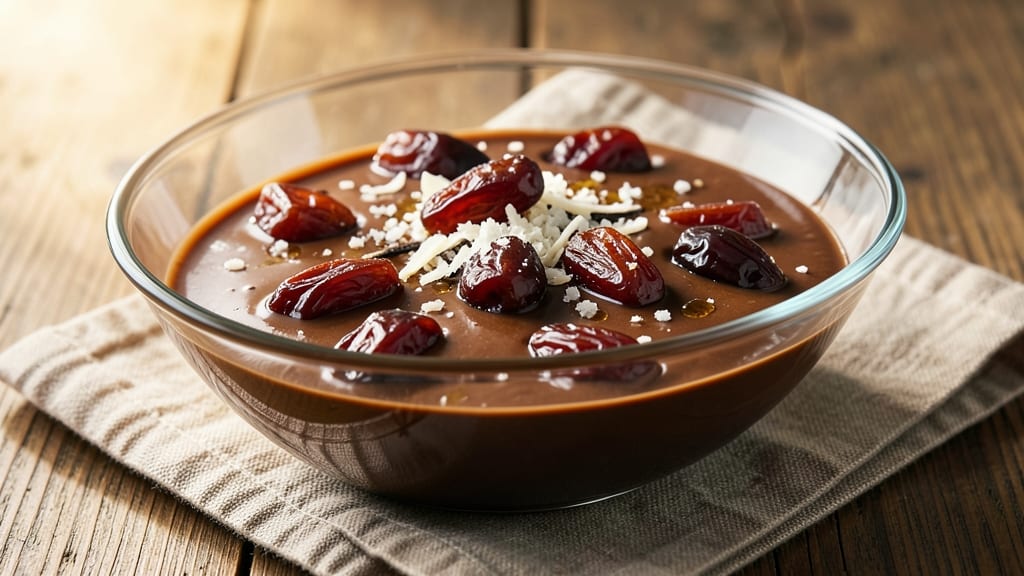
This carob chocolate recipe delivers a rich, cocoa-free fudge with deep nutty undertones that's perfect for those avoiding chocolate's caffeine or sugar content. The secret lies in blending carob powder with coconut oil and dates, creating a velvety texture that rivals traditional chocolate while offering natural sweetness and mineral benefits.
I developed this recipe after discovering carob's versatility—it's naturally caffeine-free, lower in sugar, and packed with calcium and magnesium.
The process is straightforward but requires precise timing to achieve that signature fudge-like consistency. You'll combine carob powder with melted coconut oil and date paste, then pour into a lined pan for setting.
What makes this recipe special is how it captures carob's unique earthy-sweet flavor without any artificial additives, making it ideal for health-conscious dessert lovers or those with chocolate sensitivities.
By the time it's done, you'll have a dense, crackly-topped fudge with a smooth, melt-in-your-mouth interior that's rich enough for gifting or serving at holiday gatherings. The nutty depth from carob creates a complex flavor profile that pairs beautifully with sea salt or crushed nuts on top.
This recipe proves you don't need cocoa to create decadent desserts—just the right technique and quality ingredients.
Perfect for vegan diets, gluten-free lifestyles, or anyone seeking a naturally sweetened treat, this carob fudge keeps well at room temperature for up to two weeks. You can also experiment with variations like adding orange zest for brightness or white chocolate chips for contrast.
Let's create this healthier alternative to traditional chocolate treats.
Ingredients for carob chocolate
Nine simple ingredients transform into velvety carob fudge with restaurant-quality depth.
| Ingredient | Amount | Notes |
|---|---|---|
| Carob Powder 🍫 | 1 cup | High-quality, unsweetened carob powder |
| Dates 🍯 | 1 ½ cups | Pitted Medjool dates, blended into paste |
| Unsweetened Coconut Oil 🥥 | 1 cup | Melted, full-fat for best texture |
| Vanilla Extract 🌿 | 1 tbsp | Pure vanilla for aromatic depth |
| Pure Maple Syrup 🍁 | ¼ cup | Grade B for rich caramel notes |
| Sea Salt 🧂 | ½ tsp | Fine grain, for finishing |
| Raw Almonds 🌰 | ½ cup | Toasted, roughly chopped for crunch |
| Filtered Water 💧 | 1 tbsp | For blending date paste |
| Orange Zest 🍊 | 1 tbsp | Optional, for citrus brightness |
| Coconut Oil (for lining) 🥥 | ¼ cup | Melted, for pan preparation |
Carob powder is the foundation—NOW Foods or Trader Joe's brands deliver consistent quality. Avoid pre-sweetened varieties; the natural bitterness balances beautifully with maple syrup. Medjool dates provide that signature fudge texture, but deglet noor works equally well. Toasting the almonds in a dry pan for 3-4 minutes enhances their nuttiness—skip this step only if you're short on time. For the coconut oil, Virgins brand offers the most stable melting point, crucial for achieving that signature crackly top. The orange zest, while optional, adds a sophisticated brightness that elevates the flavor profile without overpowering the carob's earthy notes.
No Medjool dates? Pitted California dates blend just as smoothly, though they yield slightly less paste. Substituting maple syrup with agave nectar works in a pinch, but the caramel undertones differ. For a dairy-free alternative to coconut oil, avocado oil maintains similar texture, though with a milder flavor. The vanilla extract can be replaced with vanilla bean paste for added speckles, though pure extract delivers more aromatic depth. If you're avoiding nuts entirely, toasted pumpkin seeds provide a comparable crunch. Always measure the carob powder by weight for precision—1 cup equals approximately 3.5 ounces—as scooping can lead to packing inconsistencies.
This fudge sets at room temperature within 24 hours but develops optimal texture after 48 hours. Store in an airtight container lined with parchment paper to prevent sticking. It remains stable at room temperature for up to 2 weeks, though the texture softens slightly in humid climates. For longer storage, wrap tightly in plastic wrap and freeze for up to 3 months. The crackly top indicates proper setting—if it appears too soft, return to the counter for an additional 2-3 hours. Portion into individual squares for elegant gifting or serving at holiday gatherings.
Why You'll Love This Recipe
- No-Mess Mixing: I swear by the food processor here—just dates, coconut oil, and carob powder whirring together until it’s that perfect fudge-like texture. No rolling, no tempering, no stress.
- Rich Without Guilt: The dates sweeten it naturally, while carob delivers that deep, molassesy chocolate vibe—no refined sugar crash. Honestly? It tastes like a treat, but I’m not lying about the "healthier" part.
- Freezer-Friendly Flex: This stuff keeps for weeks in the freezer, perfect for last-minute gifts or when I forget to buy candy. Break off a piece, let it sit for two minutes—no reheating needed.
- Budget Chocolate Hack: A single bag of carob powder and a jar of dates stretch to so many batches. I’ve made it for date nights, kids’ lunchboxes, and even as a quick dessert when I’m broke. (Yes, even on a Tuesday night.)
Step-by-step instructions for carob chocolate fudge
This method delivers a velvety, nutty carob fudge with perfect texture every time—no cocoa, no compromise.
Prepare the Date Paste Foundation
In a high-speed blender, combine the 1.5 cups dates and 1 tablespoon filtered water. Blend until completely smooth, scraping down the sides as needed. This creates a thick, syrupy base that binds all ingredients together. The paste should resemble liquid honey in consistency—if it's too thick, add 1 teaspoon more water and blend again.
Real talk: The quality of your date paste makes or breaks this recipe. Use pitted Medjool dates exclusively; their natural sweetness and moisture content create the ideal texture. If you see any graininess after blending, strain through a fine-mesh sieve to ensure a silky final product.
Melt and Combine Wet Ingredients
In a medium saucepan over low heat, gently melt the 1 cup unsweetened coconut oil until completely liquid. Remove from heat and whisk in the date paste, 1 cup carob powder, and 0.25 cup pure maple syrup. Stir continuously until fully incorporated—you should have a thick, glossy mixture that coats the back of a spoon.
Here's the thing—carob powder behaves differently than cocoa. It dissolves more slowly and requires constant stirring to prevent clumping. If you see any separation, simply return the pan to low heat for 10-15 seconds while stirring vigorously. The mixture should be smooth and homogeneous before proceeding.
Infuse with Flavor and Texture
Transfer the warm mixture to a mixing bowl and whisk in the 1 tablespoon vanilla extract and 1 tablespoon orange zest. Fold in the 0.5 cup raw almonds, reserving a few for garnish. The almonds should be toasted before adding—spread them on a baking sheet and toast in a 350°F oven for 8-10 minutes until fragrant and lightly golden.
This is where the magic happens. The toasted almonds add a delightful crunch that contrasts beautifully with the fudge's creamy texture. Don't skip the toasting step—raw almonds lack the depth of flavor that makes this fudge truly special. Stir in the 0.5 teaspoon sea salt last, allowing it to dissolve completely into the warm mixture.
Line and Pour the Fudge
Melt 0.25 cup coconut oil for lining in a microwave-safe bowl for 15-20 seconds, then use a pastry brush to coat an 8x8-inch baking dish evenly. The oil creates a barrier that prevents the fudge from sticking, making removal effortless. Pour the prepared mixture into the lined dish and smooth the top with a spatula.
Tap the baking dish gently on the counter 3-4 times to eliminate any air bubbles that might have formed during mixing. This ensures a perfectly smooth surface when the fudge sets. Cover with plastic wrap and refrigerate for at least 4 hours, or until firm to the touch but still tender when cut.
Set and Slice for Perfect Texture
Once chilled, remove the fudge from the refrigerator and let it sit at room temperature for 10-15 minutes before slicing. This brief warm-up prevents clean cuts. Using a sharp knife, cut into 1-inch squares—press firmly but don't saw through the fudge. Wipe the knife between cuts to maintain clean edges.
The ideal carob fudge should have a firm yet tender bite, with visible almond pieces throughout. If it's too hard after refrigeration, let it sit at room temperature for an additional 10 minutes before serving. Store any leftovers in an airtight container in the refrigerator for up to 1 week, or freeze for 2 months for maximum freshness.
Pro Tips For Making Carob Chocolate
- MELT THE COCONUT OIL LOW AND SLOW: I learned this the hard way—dumping coconut oil straight into hot liquid makes it seize up like a stubborn mule. Instead, warm the oil over the lowest heat setting (just above room temp) for 2-3 minutes until it’s fully liquid but not smoking. This keeps your carob from turning grainy when you mix it in.
- PULSE THE DATES FIRST: Whole dates? Skip the food processor—chop them into rough chunks first, then pulse in batches. This prevents clogging and ensures you get a smooth paste without wasting time scraping out the feed tube. (Yes, even if you’re impatient like me.)
- STOP WHEN IT’S THICK, NOT STIFF: The second the mixture pulls away from the sides of the pan but still clings slightly when you run a finger through it, you’re done. Overcooking turns carob chocolate into a dry, crumbly mess. If it’s too thick, add a teaspoon of warm coconut oil—it blends right in.
- USE A SILENT BLENDER FOR SMOOTHNESS: Immersion blenders are your friend here. After melting everything together, blend directly in the pan for 30 seconds—it chops up any stubborn date fibers and gives you that velvety texture without transferring hot liquid to a food processor. (Your future self will thank you.)
Wine and beer pairings for this carob chocolate
Earthy Wine Pairings
Carob's deep, nutty flavor profile pairs beautifully with Italian reds like Chianti or Sangiovese—their bright acidity and earthy undertones complement the fudge's richness without overpowering it. I always reach for a 2018 Chianti Classico from Tuscany when serving this fudge; its cherry and leather notes mirror carob's natural bitterness.
For a lighter option, try a Pinot Noir from Oregon—its delicate red fruit and spice notes create a perfect contrast. 🍷
Sweet Dessert Whites
If you prefer white wine, opt for Moscato d'Asti—its honeyed sweetness and bubbly texture enhance the carob's natural sweetness while cleansing the palate between bites. Another excellent choice is Riesling from Germany, especially a Kabinett-level with its citrus and stone fruit notes that brighten the fudge's depth.
Avoid heavy, oaked whites like Chardonnay, as their buttery profile clashes with carob's earthiness.
Beer Pairings
A dark Belgian ale like Duvel Moortgat's Trappist Ale or a stout such as Guinness works surprisingly well with carob fudge. The roasted malt and caramel notes in these beers create a harmonious balance with carob's nutty sweetness.
For a lighter option, try a honey-brown ale like Allagash Honey Brown—its vanilla and caramel undertones echo the fudge's flavors beautifully. 🍺
Non-Alcoholic Options
For a refreshing non-alcoholic pairing, serve carob fudge with sparkling pomegranate juice—its tartness cuts through the richness while highlighting carob's natural depth. Alternatively, a chilled hibiscus tea with a splash of orange juice provides a bright, floral contrast.
I also love pairing it with vanilla chai latte for a cozy, aromatic experience that complements the fudge's warm spices.
Coffee Contrasts
While carob is naturally caffeine-free, pairing it with lightly roasted coffee creates an interesting contrast. A single-origin Ethiopian Yirgacheffe with its floral and citrus notes enhances the carob's earthiness. For a bolder match, try a decaf cold brew—its smooth, nutty profile mirrors the fudge's flavors without competing.
Serve the coffee slightly chilled to balance the fudge's richness. ☕
Nutrition facts
Frequently asked questions
Is carob chocolate truly caffeine-free?
Yes, carob contains no caffeine—unlike chocolate, which comes from cocoa beans. This makes it ideal for sensitive individuals or those avoiding stimulants. The natural bitterness in carob actually enhances its earthy flavor without any caffeine kick.
Can I substitute carob powder with cocoa powder?
No, they're completely different ingredients. Carob has a nutty, slightly sweet flavor with no chocolate taste, while cocoa provides that classic chocolatey profile. Using cocoa would change the entire flavor profile of this recipe. For a chocolate alternative, try cacao powder instead.
How do I know when the carob fudge is properly set?
The fudge should be firm to the touch but still tender when cut after 4 hours in the refrigerator. Look for a crackly top—this indicates proper setting. If it's too soft after 4 hours, return it to the fridge for 1-2 more hours. Never microwave to speed up setting.
What's the best way to store leftover carob fudge?
Store in an airtight container lined with parchment paper at room temperature for up to 2 weeks. For longer storage, wrap tightly in plastic wrap and freeze for up to 3 months. The texture may soften slightly in humidity, so keep it in a cool, dry place when possible.
Can I make this recipe nut-free?
Yes! Simply omit the almonds and replace them with toasted pumpkin seeds or sunflower seeds for crunch. For extra richness, add vegan white chocolate chips instead. The texture will be slightly different but still delicious.