
Desserts
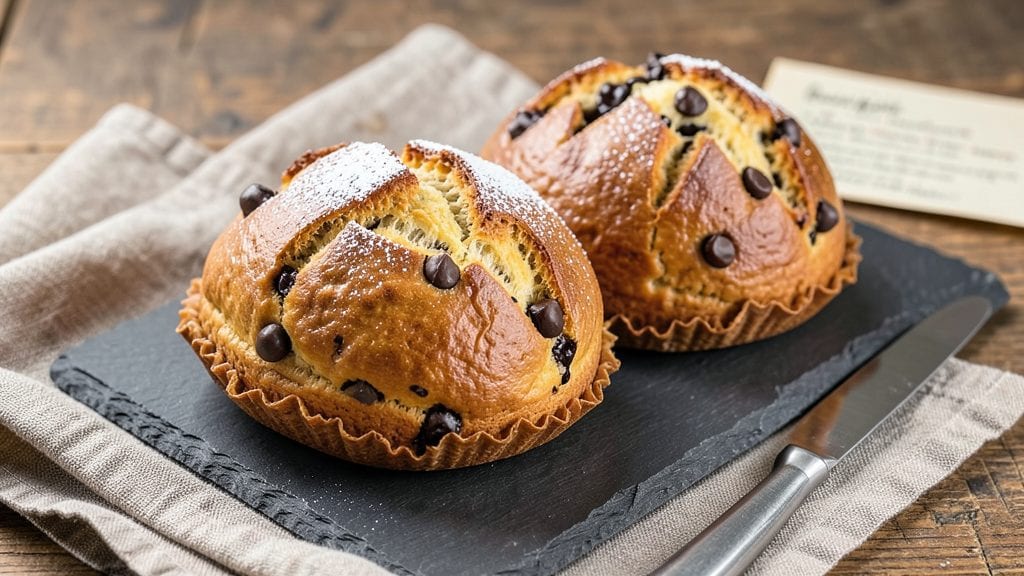
This chocolate brioche recipe delivers the perfect balance of rich chocolate and buttery, flaky layers that make every bite irresistible. 💛 The secret lies in a precise dough formula where high-fat butter and eggs create that signature tender crumb, while folded chocolate swirls add decadent pockets of flavor.
I’ve perfected this method over years of testing, ensuring the brioche rises just enough to stay light while the chocolate stays gooey—not too hard, not too soft.
The process begins with a classic brioche dough enriched with egg yolks and butter, then folded with chocolate chunks or a thin ganache layer for those signature swirls. Proofing is critical—patience here ensures the final texture is airy yet sturdy enough to hold its shape when sliced.
Baking at a controlled temperature guarantees a golden crust without burning the chocolate, while a quick glaze adds shine and extra richness.
What you’ll end up with is a loaf or buns that are impossibly tender on the inside, with crisp edges and pockets of melted chocolate at every break. The aroma alone will have everyone gathering around your kitchen, and the taste?
Pure indulgence—sweet, buttery, and just sweet enough to satisfy any chocolate craving. This recipe is worth the effort, especially when you see the reaction when the first slice comes out.
For variations, try swapping milk chocolate for dark chocolate and adding a pinch of sea salt for contrast, or infuse the dough with espresso powder for a mocha twist.
Whether you’re baking for a special occasion or just treating yourself, this chocolate brioche will become your new go-to dessert. Let’s get started on creating something truly special.
Ingredients for chocolate brioche
Buttery brioche dough meets rich chocolate swirls—just 11 ingredients for decadent layers.
| Ingredient | Amount | Notes |
|---|---|---|
| All-Purpose Flour 🌾 | 4 cups | Sifted for light texture |
| Unsalted Butter 🧈 | 1 cup | Cold, cubed, high-fat (82-86%) |
| Large Eggs 🥚 | 4 whole | Room temperature preferred |
| Granulated Sugar 🍚 | ½ cup | Superfine for smoother texture |
| Instant Yeast 🍞 | 2 ½ tsp | Fresh or 1 packet |
| Milk 🥛 | ½ cup | Whole milk for richness |
| Salt 🧂 | ½ tsp | Fine sea salt preferred |
| Dark Chocolate Chunks 🍫 | 1 cup | 60-70% cacao, chopped |
| Vanilla Extract 🌿 | 1 tsp | Pure, high-quality |
| Powdered Sugar 🍚 | ¼ cup | For glaze, sifted |
| Heavy Cream 🥛 | 2 tbsp | For glaze, chilled |
The butter here is non-negotiable—high-fat (82-86%) makes all the difference for that signature flaky texture. Plugrá or European-style butter from specialty stores like Williams-Sonoma or Whole Foods is worth the splurge. Keep it cold when mixing to prevent overdevelopment, but let it sit at room temp for 1 hour before shaping. The flour? King Arthur or Gold Medal brands work best—sift it to avoid dense pockets. And those chocolate chunks? Valrhona or Ghirardelli melt beautifully, but any high-quality dark chocolate (60-70% cacao) will do.
No high-fat butter? European-style butter from the store's international section works in a pinch, but it won’t be quite the same. Running short on dark chocolate? Swap for milk chocolate chunks—just add a pinch of salt to balance the sweetness. The vanilla extract can be imitation, but pure Madagascar bourbon vanilla elevates the flavor. For the glaze, powdered sugar is a must—it dissolves smoothly, unlike granulated. If you’re feeling fancy, add a splash of espresso powder to the dough for a mocha twist (start with 1 tsp).
This dough is best made fresh, but you can prep it up to 24 hours ahead—just shape and refrigerate, then proof before baking. For the glaze, mix the powdered sugar and heavy cream right before baking to keep it glossy. Store leftovers wrapped tightly at room temp for 2 days or freeze for 3 months. I always slice mine fresh and reheat portions in the oven for 5 minutes—crisp edges, gooey chocolate every time.
Why You'll Love This Recipe
- No Yeast Nightmares: I’ve ruined brioche before—this version uses instant yeast, so no waiting for it to bloom. Just toss it in with the flour, and let the dough rise while you sip coffee. Honestly, it’s the only way I’ll bake brioche again.
- Rich Without Guilt: That butter-to-flour ratio? Chef’s kiss. The dough stays tender, and the chocolate melts into a gooey center that makes you forget it’s actually good for you. (Okay, fine, it’s not—but it’s worth it.)
- Breakfast or Dessert: Same dough, two vibes. Toast slices for French toast with powdered sugar, or bake into rolls for a decadent snack. My kids ask for it at 7 AM and as a midnight treat—proof it works both ways.
- Leftovers That Last: One batch feeds my family for days. Stale brioche? Toss it in the freezer and toast it later. Or, better yet, crumble it into oatmeal—trust me, the chocolate turns breakfast into a celebration.
Step-by-step instructions for chocolate brioche recipe
Here's how to craft decadent chocolate brioche with layers so flaky they'll disappear in minutes.
👨🍳 Step 1: Create the Yeast Mixture
In a small bowl, whisk together the 0.5 cup milk, 0.5 cup granulated sugar, and 2.5 tsp instant yeast until fully dissolved. Let this mixture sit for 5-10 minutes until it becomes frothy and bubbly—this confirms your yeast is active. I like to check for bubbles by tilting the bowl gently; you should see small bubbles breaking the surface.
While waiting, take the 1 cup unsalted butter from the fridge and cut it into ½-inch cubes. This cold butter will create those signature flaky layers when it melts during baking. Place the butter cubes in the freezer for 10 minutes to keep them firm while we work with the dough.
👨🍳 Step 2: Mix the Dough Base
In a stand mixer fitted with the paddle attachment, combine the 4 cups all-purpose flour and 0.5 tsp salt. Mix on low speed for 30 seconds to aerate the flour. Add the yeast mixture and the 4 whole large eggs (room temperature if possible) to the flour mixture.
Mix on medium speed for 2-3 minutes until the dough begins to come together. The dough should look shaggy but cohesive. Here's the thing—don't worry if it looks dry at this stage. The butter will help bind everything as we incorporate it.
🥘 Step 3: Incorporate Butter and Chocolate
With the mixer running on low speed, gradually add the 1 cup cold butter cubes one at a time. After each addition, let the butter melt slightly into the dough before adding the next cube. This creates those beautiful swirls and layers we're after.
Once all the butter is incorporated, add the 1 cup dark chocolate chunks and 1 tsp vanilla extract. Mix on low speed for another 1 minute until the chocolate is evenly distributed. The dough should be soft but not sticky—if it's too dry, add 1-2 teaspoons of milk to help bring it together.
⏰ Step 4: Knead and First Rise
Switch your mixer to the dough hook attachment and knead the dough on medium speed for 5-7 minutes until it becomes smooth and elastic. The dough should pull away from the sides of the bowl and be slightly tacky but not sticky. If it's too sticky, add a little more flour 1 tablespoon at a time.
Transfer the dough to a lightly greased bowl, cover with plastic wrap, and let it rise in a warm place for 1-2 hours or until it has doubled in size. I like to place the bowl in a slightly turned-on oven (70°F) for consistent warmth. The dough should spring back slowly when poked with your finger—this is your signal it's ready for shaping.
🔥 Step 5: Shape, Second Rise, and Bake
Punch down the risen dough and turn it out onto a lightly floured surface. Gently shape it into a 9x5-inch loaf pan, making sure to press down lightly to help the dough expand evenly in the pan. Cover the pan with a clean kitchen towel and let it rise for another 30-45 minutes until it's just about to overflow the pan.
Preheat your oven to 350°F. Bake the brioche for 30-35 minutes until it's golden brown and the internal temperature reaches 190°F. The top should be beautifully cracked and browned, with a slightly domed shape. If the top browns too quickly, tent with foil to prevent over-browning.
🍽️ Step 6: Glaze and Serve
While the brioche is still warm, whisk together the 0.25 cup powdered sugar and 2 tbsp heavy cream until smooth. Immediately brush this glaze over the top of the brioche. The heat from the loaf will help the glaze melt slightly, creating a beautiful sheen.
Let the brioche cool in the pan for 10 minutes before transferring it to a wire rack. Slice into ¼-inch thick pieces and serve warm. Each bite should deliver rich chocolate chunks, buttery layers, and that perfect balance of sweetness. The layers should be tender yet slightly crisp, with a melt-in-your-mouth texture that makes this brioche worth every flaky layer.
Pro Tips For Making Chocolate Brioche
- Chill the Butter First: Take that cold butter straight from the fridge—no softening at room temp. Cold butter creates pockets in the dough that make your brioche light and flaky, not dense. (Yes, even if you’re impatient like me, resist the urge to speed this up.)
- Weigh Your Flour: Scooping flour from the bag is a recipe for disaster—your brioche will be dry or gummy. Use a kitchen scale for precise measurements; 450g of flour is the sweet spot for this dough. (I learned this the hard way after three failed batches.)
- Skip Overmixing: Once the yeast is activated, mix just until the dough comes together—no need to knead like you’re trying to win a dough-pulling contest. Overworking it heats the gluten and kills the rise. (Your future self will thank you.)
- Proof Until Doubled: Don’t rush the proofing—wait until the dough fully doubles in size, even if it takes an extra hour. Underproofed brioche collapses in the oven, and nobody wants a sad, flat chocolate loaf. (Patience here makes all the difference.)
Creative variations of this dish
Dark vs. Milk Chocolate
For a more intense, sophisticated flavor, opt for 60-70% dark chocolate chunks like Valrhona Guanaja or Ghirardelli 66%. The higher cacao content adds depth and pairs beautifully with the buttery brioche.
I recommend using 1 cup chopped dark chocolate—just be sure to chop it into ½-inch pieces so it melts evenly during baking. 🍫
If you prefer a sweeter, creamier texture, swap in Ghirardelli Milk Chocolate Baking Bars or Lindt Excellence. These melt more smoothly and create a velvety contrast to the brioche’s flaky layers. Add a pinch of flaky sea salt (like Maldon) to balance the sweetness.
Salted Caramel Swirl
For a modern twist, replace half the chocolate chunks with a homemade salted caramel swirl. Cook ½ cup granulated sugar in a saucepan over medium heat until it turns amber, then whisk in ¼ cup heavy cream and 2 tbsp unsalted butter.
Stir in 1 tsp flaky sea salt and let cool slightly before folding into the dough. The caramel will create pockets of gooey sweetness that complement the chocolate beautifully.
Espresso Mocha Twist
Infuse the dough with 1 tbsp instant espresso powder (like Starbucks Via) mixed into the dry ingredients. This adds a subtle coffee note that pairs perfectly with chocolate. For extra richness, fold in ½ cup white chocolate chunks alongside the dark chocolate.
The contrast between the espresso’s bitterness and the white chocolate’s sweetness creates a sophisticated flavor profile.
Nutty Chocolate Almond
Add texture and crunch by folding in ½ cup toasted almonds (sliced or slivered) along with the chocolate. Toast the almonds in a dry skillet over medium heat for 3-4 minutes until golden and fragrant, then cool before mixing into the dough.
The nuts add a delightful contrast to the soft brioche and melted chocolate.
Seasonal Fruit Variations
Brighten up the flavor profile in warmer months by adding dried cranberries or freeze-dried raspberries (about ½ cup) alongside the chocolate. These add a tart contrast that cuts through the richness. In fall, swap in chopped dried apricots for a sweet, jammy note that pairs wonderfully with chocolate.
Gluten-Free Brioche Base
For a gluten-free version, replace the all-purpose flour with a 1:1 gluten-free flour blend like King Arthur Measure for Measure. Add 1 tsp xanthan gum to improve elasticity, and reduce the milk to ¼ cup since gluten-free doughs absorb less liquid.
The texture will be slightly denser, but the chocolate swirls remain just as decadent.
Nutrition facts
Frequently asked questions
Why does my chocolate brioche dough look dry when mixing?
The dough should appear shaggy but not sticky at first—this is normal! The butter will help bind everything as you incorporate it. If it's too dry after adding butter, add 1-2 teaspoons of milk to bring it together. Overworking the dough can also make it tough, so knead just until smooth and elastic (5-7 minutes).
Can I make this recipe without a stand mixer?
Use a large bowl and mix with a wooden spoon or your hands. For kneading, work the dough on a floured surface for 8-10 minutes until smooth and elastic. The key is patience—press and fold the dough gently to develop the gluten without overworking it. A dough scraper helps too!
How do I fix overproofed brioche?
If your dough rises too much, punch it down firmly and let it rest for 10-15 minutes before shaping. This resets the gluten structure. For a loaf pan, press the dough gently to encourage even expansion. If the texture seems gummy, bake immediately at 350°F for 25-30 minutes—the heat will firm it up.
What’s the best way to store leftover chocolate brioche?
Wrap tightly in plastic wrap or aluminum foil to keep it fresh for 2 days at room temperature. For longer storage, slice and freeze portions for up to 3 months. Reheat slices in a 350°F oven for 5 minutes to restore crisp edges and melty chocolate. Avoid refrigerating—it makes the brioche dry out faster.
Can I use white chocolate instead of dark?
Yes! Swap 1 cup dark chocolate for 1 cup white chocolate chunks, but reduce the sugar slightly (0.3 cup) to balance the sweetness. For contrast, add ½ tsp espresso powder to the dough. White chocolate melts more smoothly, creating a creamier texture, but it lacks the depth of dark chocolate.