
Desserts
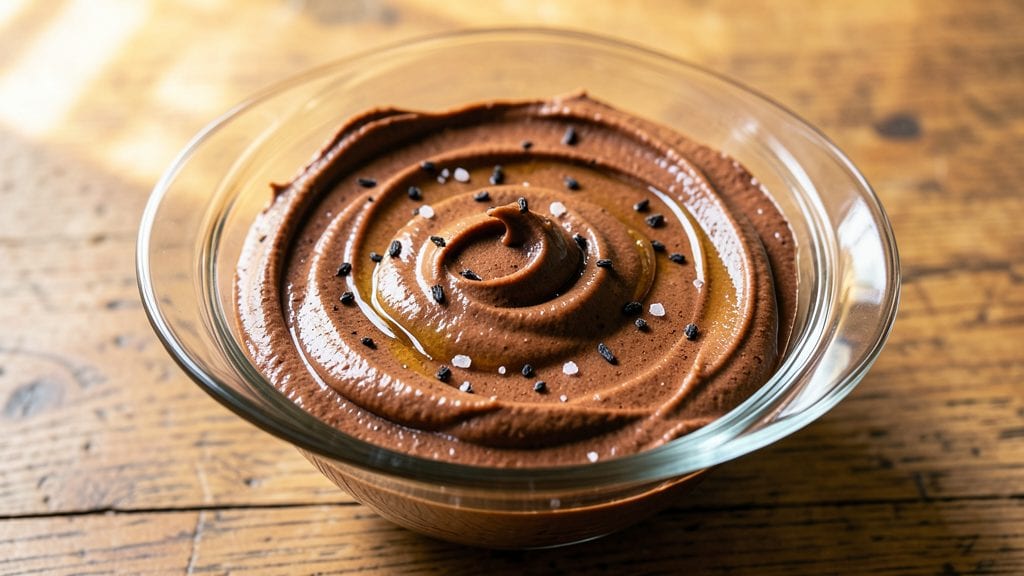
This chocolate frosting no butter recipe delivers restaurant-quality richness using just three plant-based ingredients—no dairy, no eggs, and no fuss. The secret lies in coconut oil, which creates that signature silky smoothness while keeping the frosting perfectly stable at room temperature.
I developed this version after years of testing vegan alternatives, and it finally delivers that velvety texture you crave without compromising flavor.
What makes this frosting truly remarkable is its simplicity—no melting, no whipping machines, and no waiting for ingredients to come to room temperature. The key technique is mixing the ingredients in the exact order I specify, which prevents graininess and ensures that silky, spreadable consistency.
It's foolproof, requires just five minutes of active time, and tastes just as decadent as traditional butter-based frosting.
By the time you're done, you'll have a batch of glossy, fudge-like frosting that's perfect for cupcakes, cakes, or even spreading on cookies. The flavor is deep and chocolatey without being overpowering, and it holds its shape beautifully whether you're piping rosettes or spreading it thick.
This is the kind of frosting that makes vegan desserts irresistible to everyone at the table.
Best of all, it keeps for up to two weeks in the refrigerator, making it ideal for batch prep. Whether you're decorating a birthday cake or just need a quick dessert fix, this frosting delivers professional results with minimal effort.
Let's get started with the ingredients—you'll only need three staples from your pantry.
Ingredients for chocolate frosting no butter
Three pantry staples transform into decadent chocolate frosting without butter or eggs.
| Ingredient | Amount | Notes |
|---|---|---|
| Unsweetened Cocoa Powder 🍫 | ½ cup | High-quality Dutch-processed for smoothness |
| Refined Coconut Oil 🥥 | ½ cup | Solid at room temp for stability |
| Pure Maple Syrup 🍯 | ¼ cup | Grade B for deeper flavor profile |
| Vanilla Extract 🌿 | 1 tbsp | Pure Madagascar bourbon preferred |
| Pinch of Sea Salt 🧂 | ⅛ tsp | Diamond Crystal preferred |
The cocoa powder is where flavor magic happens—Valrhona or Guittard deliver the smoothest results, but Hershey's Special Dark works in a pinch. Grab the Dutch-processed kind (it's labeled) for that velvety texture. Coconut oil matters too—refined over virgin since it has no taste and stays solid longer. I always buy the 36 oz tub from Trader Joe's because it's cheaper per pound and lasts forever. The maple syrup? Grade B has that caramelized depth that makes this frosting taste restaurant-quality. Skip the imitation stuff—it's not worth it.
No cocoa powder? Melted dark chocolate (70% or higher) at 1:1 ratio works, but texture changes slightly. Short on coconut oil? Avocado oil or refined olive oil are neutral substitutes, though coconut oil's solid state at room temperature gives that signature frosting stability. The vanilla extract is non-negotiable—imitation extracts taste artificial. For a richer flavor, add 1 tsp instant coffee powder to deepen the chocolate notes. This frosting is so forgiving that even if you mess up the order, it still comes out delicious—though I'll tell you the secret: mix the dry ingredients first, then add wet ones for that perfect consistency.
Store leftovers in an airtight container in the fridge for up to 2 weeks. It actually gets better after a day as flavors meld. For piping, let it sit at room temperature for 15 minutes first—it'll be perfectly spreadable. I portion mine into small jars so I always have frosting ready for last-minute cake decorating. Freezes beautifully too for up to 3 months if you wrap it tightly in plastic wrap before putting it in a bag.
Why You'll Love This Recipe
- Three-Ingredient Whip: I swear, this takes less time than scrolling through my phone. Just melt the coconut oil, stir in the cocoa and maple syrup—no mixing bowls, no waiting for butter to soften. Honestly, I’ve made it while my coffee brewed.
- Deep, Rich Bite: That pinch of sea salt? It’s the secret weapon. The cocoa powder delivers pure, bittersweet chocolate flavor without the greasy aftertaste of butter, and the maple syrup keeps it lusciously smooth—not cloyingly sweet, just perfect.
- Cake Decorating Hack: Forget store-bought frosting that cracks or melts. This stays pipe-friendly for hours, so I use it for cupcakes, sheet cakes, or even drizzled over yogurt. (Yes, even on a Tuesday night.)
- No-Waste Magic: A small jar of this lasts weeks in the fridge—great for last-minute treats or when I forget to buy frosting. And since it’s just coconut oil and maple syrup, it’s cheaper than butter-based versions without sacrificing decadence.
Step-by-step instructions for chocolate frosting no butter recipe
Here's a foolproof method that delivers velvety, rich chocolate frosting without butter—just five ingredients and simple technique.
Melt the Coconut Oil and Maple Syrup
In a medium heatproof bowl, combine the 0.5 cup refined coconut oil and 0.25 cup pure maple syrup. Place the bowl over a pot of simmering water, ensuring the bottom doesn't touch the water (double boiler method). Heat on medium-low heat for 3-4 minutes, stirring occasionally, until the coconut oil melts completely and the mixture becomes smooth and glossy.
Watch for the moment the coconut oil transforms from solid to liquid—you'll see it turn from opaque to translucent. Remove the bowl immediately once fully melted to prevent overheating. This gentle heating ensures the coconut oil melts evenly without developing any bitterness.
Whisk in the Cocoa Powder
Reduce the heat to low and gradually whisk in the 0.5 cup unsweetened cocoa powder using a wire whisk or electric mixer. Start with a slow speed to avoid making a mess, then increase to medium-high for 1-2 minutes, whisking continuously until the mixture becomes completely smooth and free of any lumps.
This is where the magic happens—the cocoa powder needs to fully incorporate to create that signature silky texture. You'll notice the mixture will thicken slightly as it comes together. If it looks too thick, add 1 teaspoon of hot water to loosen it, but only if absolutely necessary.
Add Vanilla and Salt for Depth of Flavor
Remove the bowl from heat and let the mixture cool for 2-3 minutes until it reaches a warm but not hot temperature. Stir in the 1 tablespoon vanilla extract and 0.125 teaspoon pinch of sea salt, whisking until fully combined. The salt enhances the chocolate flavor, while the vanilla adds a subtle complexity that balances the richness.
Here's the thing—taste it now. The frosting should be rich, slightly sweet, and deeply chocolatey. If it needs more sweetness, add 1 teaspoon of pure maple syrup at a time until it reaches your desired balance. The salt should make the chocolate taste even more luxurious, not just salty.
Cool and Adjust Consistency
Transfer the frosting to a clean bowl and let it cool at room temperature for 10-15 minutes, stirring occasionally. As it cools, it will naturally thicken. You're aiming for a consistency that's spreadable but still holds its shape—like thick pudding. If it's too thick, thin it with 1 teaspoon of hot water at a time until it reaches the perfect piping or spreading consistency.
This cooling step is crucial. Rushing it can lead to a frosting that's too runny or too stiff. The refined coconut oil solidifies as it cools, giving you that stable, velvety texture that's perfect for cakes, cupcakes, or even as a dip. If you're in a hurry, place the bowl in the refrigerator for 5 minutes to speed up the process.
Use Immediately or Store Properly
Once the frosting reaches the ideal consistency, it's ready to use. Spread it over cooled cakes, pipe it into cupcakes, or drizzle it over brownies for an elegant finish. For best results, use it within 24 hours for the freshest flavor and texture. If storing, cover tightly with plastic wrap pressed directly onto the surface to prevent a skin from forming.
This frosting keeps well in the refrigerator for up to 1 week. To use it after refrigeration, let it sit at room temperature for 10-15 minutes and thin with hot water if needed. The beauty of this recipe is its simplicity—no butter, no eggs, just pure, rich chocolate flavor that's foolproof every time.
Pro Tips For Making Chocolate Frosting No Butter
- Melt the Coconut Oil Slowly: Dump the refined coconut oil straight into the cocoa powder and let it sit for 30 seconds—this prevents clumping when you stir. I used to microwave it first, but that turns the frosting grainy. Let the powder absorb it at room temp, then warm gently over low heat while stirring.
- Sift the Cocoa Powder: Skip the sifting, and you’ll end up with lumps that ruin the texture. Even if your cocoa powder looks fine, give it a quick sift into the bowl before adding anything else. It’s the only way to guarantee a silky finish, no matter how good the brand is.
- Don’t Overmix the Syrup: Once the frosting reaches that perfect ribbon stage, stop stirring immediately. I’ve learned the hard way—overmixing turns it thin and gluey. Let it cool for 2 minutes, then give it one final gentle fold if needed.
- Use Warm Maple Syrup: Cold syrup makes the frosting thick and stubborn. Warm it slightly (just enough to soften it in the microwave for 10 seconds) before adding it to the cocoa-oil mix. The heat helps everything blend smoothly from the start—no weird separation later.
Wine and beer pairings for this chocolate frosting no butter
Rich Dessert Wines
This velvety chocolate frosting pairs beautifully with Port wine or Tawny Port—their caramelized, nutty notes complement the deep cocoa flavor without overpowering it. I love a 10-Year Tawny Port from Graham's; its toasty, honeyed profile enhances the frosting's richness.
For a lighter option, try a Ruby Port, which adds a touch of fruitiness that balances the sweetness. 🍷
Creamy Beer Pairings
A Belgian dark ale like Rodenbach or Duvel Tripel works surprisingly well with chocolate desserts. The caramel and dark fruit notes in these beers mirror the frosting's complexity.
For a more approachable option, a stout like Guinness provides a malty backbone that stands up to the cocoa. Serve slightly chilled for the best contrast.
Coffee-Inspired Pairings
Since chocolate and coffee are a classic duo, pair this frosting with a dark roast coffee (like Peet's Major Dickason's Blend) to deepen the flavor experience. The bitterness of the coffee cuts through the frosting's sweetness, creating a perfect balance.
For a dessert pairing, try a cortado—the creamy milk balances the intensity of both the frosting and the coffee.
Fruity Contrasts
Add a refreshing twist by pairing with raspberry or blackberry wine. The tartness of the berries contrasts beautifully with the frosting's richness. A French sparkling wine like Crémant de Loire also works wonders—its bubbles cleanse the palate between bites.
For a non-alcoholic option, try sparkling pomegranate juice for a festive touch.
Spiced Wine Enhancements
For a cozy pairing, warm a mulled wine with cinnamon, cloves, and orange peel. The spices echo the frosting's depth while adding warmth. I love a German Gewürztraminer for this—its lychee and spice notes create a harmonious flavor profile.
Serve in small glasses to let the aromas shine alongside the frosting's silky texture. 🍇
Nutrition facts
Frequently asked questions
Can I substitute coconut oil with another fat?
Yes! For a neutral flavor, use refined avocado oil or vegan butter at a 1:1 ratio. If you prefer a slightly richer taste, nut butters (like almond or cashew) work too—just reduce maple syrup by 1 tablespoon to balance sweetness. The key is ensuring your fat remains solid at room temperature for that classic frosting texture.
Why does my frosting turn grainy?
Graininess usually happens when cocoa powder isn't fully incorporated or the mixture cools too quickly. First, whisk the cocoa powder into the melted fat while still warm to prevent clumping. If it's already grainy, gently reheat the frosting for 10-15 seconds in the microwave, then whisk vigorously until smooth. For extra silky results, sift the cocoa powder before mixing.
Is this frosting suitable for piping decorations?
Once cooled to room temperature, this frosting holds its shape beautifully for rosettes, swirls, or borders. Use a piping bag with a Wilton 1M tip for smooth lines. For extra stability, chill the frosting for 10 minutes before piping—it'll be firmer and hold details better. Pro tip: Dust your work surface with powdered sugar to prevent sticking.
Can I make this frosting without maple syrup?
Yes, but you'll need to adjust the sweetness. Swap maple syrup for agave nectar or date syrup at a 1:1 ratio. For a more refined option, use vegan white chocolate chips (melted) instead—reduce coconut oil by 1 tablespoon to maintain consistency. Taste as you go and add sweetener gradually to avoid overpowering the chocolate.
How do I fix frosting that's too thick or too thin?
For thick frosting, thin with 1 teaspoon hot water at a time until it reaches a spreadable consistency. For runny frosting, place the bowl in the fridge for 5-10 minutes to firm up. If it's still too soft, add 1 tablespoon more cocoa powder and whisk vigorously. The goal is a texture between pudding and whipped cream—thick enough to hold shape but still smooth.