
Sauces & Condiments
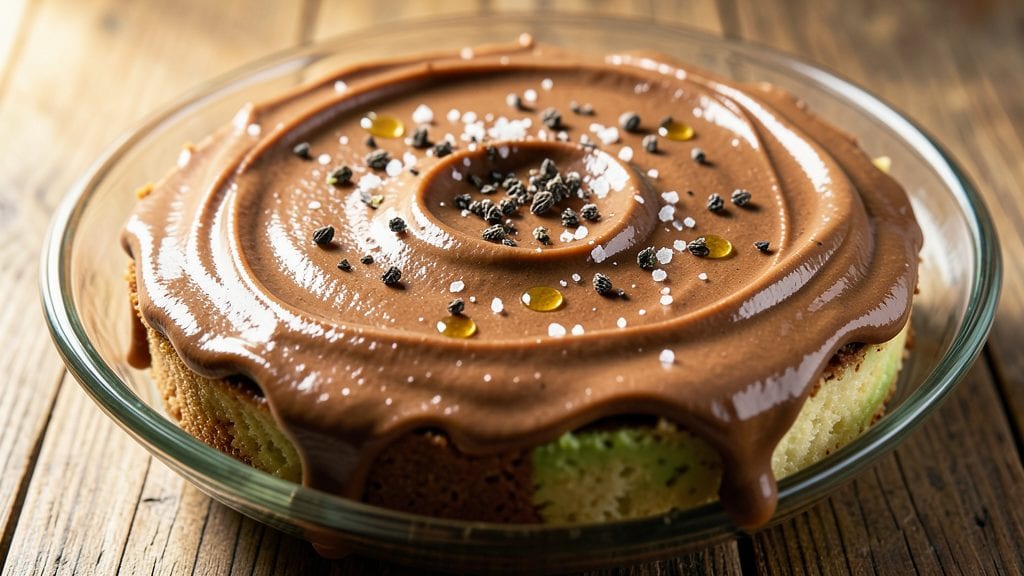
Creating rich, velvety chocolate frosting without butter is easier than you think—this avocado-based recipe delivers professional results with just five simple ingredients. Standing on a step stool in my grandmother’s kitchen in Sicily, I learned how versatile healthy fats could be, and this frosting proves it.
The secret lies in blending ripe avocado with cocoa powder and coconut oil, creating a texture so smooth it’ll fool even the most skeptical frosting lovers.
This plant-based frosting requires no special equipment beyond a food processor or strong mixer, and it comes together in under 10 minutes. The avocado provides natural creaminess without butter, while coconut oil adds stability for piping or spreading.
Chilling for 30 minutes ensures the perfect consistency—thick enough to hold its shape but still light and fluffy.
What makes this frosting truly special is its versatility. Use it to decorate vegan cakes, cupcakes, or cookies, or even as a dip for fresh fruit.
The flavor is deep, chocolatey, and just slightly sweet—no artificial ingredients or aftertaste. Once you try it, you’ll never go back to traditional butter-based frostings.
Ready to elevate your baking game? This frosting is foolproof, budget-friendly, and packed with healthy fats to keep your treats moist for days. Let’s get started—your desserts deserve this upgrade.
Ingredients for chocolate frosting recipe without butter
Five ingredients transform into velvety chocolate frosting—no butter needed, just avocado magic.
| Ingredient | Amount | Notes |
|---|---|---|
| Ripe Avocados 🥑 | 2 whole | Soft but not mushy, pitted |
| Unsweetened Cocoa Powder 🍫 | ½ cup | Natural, not Dutch-processed |
| Coconut Oil 🥥 | ¼ cup | Refined, solid at room temp |
| Pure Maple Syrup 🍯 | ¼ cup | Grade A, for balanced sweetness |
| Vanilla Extract 🌿 | 1 tbsp | Pure Madagascar bourbon |
| Sea Salt 🧂 | ¼ tsp | Fine grain, enhances flavor |
| Vanilla Bean Paste 🌿 | 1 tsp | Optional, for depth of flavor |
The avocados are the star here. Ripe but firm ones yield the creamiest texture—think just soft enough to yield to gentle pressure. Trader Joe's and Whole Foods often carry perfectly ripe ones, but check your local market's produce section first. The cocoa powder should be natural (not Dutch-processed) for that rich, slightly bitter depth. Valrhona or Ghirardelli are my go-tos, but any quality brand works. Coconut oil matters too—use refined, not virgin, for a neutral flavor that won't compete with the chocolate. The maple syrup? Grade A is key for that perfect balance of sweetness without overpowering the cocoa.
No avocados? Silken tofu or mashed banana can replace them—though texture will differ slightly. Dutch-processed cocoa powder? It'll be smoother but less intense. Swap maple syrup for agave nectar or date syrup if needed, but taste as you go. The vanilla extract is non-negotiable for that authentic frosting flavor, but if you're feeling fancy, vanilla bean paste adds real depth. For a lighter frosting, reduce the coconut oil to 2 tablespoons and add 1 tablespoon of almond milk. And if you're worried about the avocado flavor? Don't be—it disappears completely when blended with cocoa and sweetener.
This frosting keeps beautifully. Store it in an airtight container in the fridge for up to 5 days, though it's best used within 2 days for peak texture. For longer storage, portion into ice cube trays, freeze, then transfer to a bag—perfect for single-use portions. If it thickens too much after chilling, simply whisk in a teaspoon of almond milk at room temperature. Pro tip: let it sit at room temperature for 10 minutes before using to make spreading easier. And trust me, it reheats beautifully—just pop it in the microwave for 10 seconds if needed.
Why You'll Love This Recipe
- No-Fuss Blender Magic: I swear by this recipe—just toss ripe avocado, cocoa powder, and coconut oil into a blender, hit pulse, and boom, silky frosting in under 5 minutes. No standing over a stove, no waiting for butter to soften, no mess.
- Rich Without Guilt: The avocado keeps it creamy while the maple syrup adds just the right sweetness—no refined sugar crash here. Honestly, I’ve had people ask if it’s store-bought, and I just smile knowing it’s packed with good-for-you fats.
- Cake, Cupcakes, or Smoothie Bowl: This frosting plays well everywhere. Slather it on vegan brownies, dollop it into overnight oats, or swirl it into chia pudding—it’s my go-to for anything chocolatey. (Yes, even on a Tuesday night.)
- Budget-Friendly Luxury: Coconut oil and avocados stretch my grocery budget further than butter ever did. A single batch lasts me a week—frosting for muffins, a quick dip for fruit, or even a last-minute dessert fix. Zero waste, all flavor.
Step-by-step instructions for chocolate frosting without butter
This avocado-based frosting delivers velvety texture and rich chocolate flavor without a trace of butter.
Prepare the Avocado Base
Begin by halving and pitting the 2 whole ripe avocados. Scoop the flesh into a food processor, leaving the skins behind. You'll want avocados that yield to gentle pressure when squeezed but aren't overly soft or mushy. The flesh should be smooth and buttery in texture, providing the perfect fat base for your frosting.
Process the avocado flesh on high speed until completely smooth, scraping down the sides of the bowl as needed. This step is crucial for achieving that signature silky consistency. If you encounter any lumps, pulse briefly to break them down. The avocado should transform into a creamy, pale green puree that coats the back of a spoon effortlessly.
Blend in Cocoa and Sweetener
With the food processor running, gradually add the 0.5 cup unsweetened cocoa powder through the feed tube. This gradual addition prevents clumping and ensures even distribution. The mixture will darken significantly as the cocoa incorporates, taking on a thick, paste-like consistency. Allow the processor to run for another 30 seconds to fully combine.
Next, add the 0.25 cup pure maple syrup and process again until smooth. The syrup will help bind the ingredients while adding natural sweetness. Here's where the magic happens—the frosting begins to develop its characteristic rich, chocolatey aroma. If the mixture appears too thick at this stage, don't worry—it will become more workable as we add the remaining ingredients.
Incorporate Flavorings and Fat
Add the 0.25 cup refined coconut oil to the processor. The coconut oil should be solid at room temperature, which helps stabilize the frosting's texture. Process until fully incorporated, which typically takes about 30 seconds. The frosting will become noticeably smoother and more spreadable as the coconut oil melts into the mixture.
Now add the 1 tablespoon vanilla extract and 1 teaspoon vanilla bean paste. The vanilla bean paste will add subtle flecks of vanilla bean that elevate the flavor profile. Pulse briefly to combine, then scrape down the sides. Finally, add the 0.25 teaspoon sea salt and process for another 10 seconds. The salt enhances all the flavors, balancing the sweetness and deepening the chocolate notes.
Achieve Perfect Consistency
Transfer the frosting to a mixing bowl and taste it. At this stage, it should be thick but still spreadable. If it's too thick, add 1 tablespoon of warm water at a time, mixing well after each addition. You're aiming for a consistency that's smooth enough to pipe but still holds its shape on cakes. The frosting should coat the back of a spoon with a glossy sheen.
For best results, let the frosting sit at room temperature for 10 minutes before using. This allows the flavors to meld completely and the texture to stabilize. The frosting should be cool to the touch but still soft enough to spread easily. If it firms up too much in the fridge, simply let it sit at room temperature for a few minutes to soften before use.
Pro Tips For Making Chocolate Frosting Recipe Without Butter
- Scoop Avocados Dry: Grab a spoon and dig straight into the avocado flesh—no scraping the pit or squeezing the skin. The extra moisture from rinsing or pressing releases water, and you’ll end up with a thinner, grainier frosting that needs more cocoa powder to fix. Trust me, the dry scoop saves cleanup and keeps texture smooth.
- Warm the Coconut Oil: Melt the coconut oil until it’s just liquid—no need to heat it aggressively. If it’s too cool, the frosting will seize when mixed with cocoa powder. If it’s too hot, the avocado’s healthy fats will separate. A quick 10-second zap in the microwave (or 30 seconds in a bowl over simmering water) does the trick every time.
- Measure Maple Syrup Precisely: Use a kitchen scale for the syrup—1 tablespoon isn’t always 1 tablespoon. Maple syrup’s density varies, and eyeballing it can leave your frosting cloyingly sweet or under-sweetened. A quick 20-gram measurement (about 1.3 tablespoons) keeps balance without guesswork.
- Blend in Stages: Pulse the avocado and cocoa powder first, then add the coconut oil in slow drizzles while blending. This prevents a greasy, clumpy mess. If it looks like wet sand, you’re blending too fast—stop, scrape the bowl, and go slower. Patience here makes all the difference for a silky finish.
Storing and reheating this chocolate frosting recipe without butter
Fridge Storage Secrets
Your freshly made frosting will keep beautifully in the fridge for up to 5 days when stored in an airtight container—I prefer glass jars with tight-sealing lids. The key is letting it cool completely before sealing to prevent condensation.
I always label mine with the date because, honestly, it's tempting to use it all at once! The texture might thicken slightly after chilling, but that's easily fixed with a quick whisk and 1 teaspoon of almond milk to restore that perfect spreadable consistency. 🥄
Freezer Magic
For longer storage, portion your frosting into ice cube trays—each cube makes a perfect single-use serving. Once frozen solid, transfer the cubes to a freezer bag and flatten them to save space. This method works wonderfully for holiday baking when you know you won't use it all at once.
When ready to use, thaw in the fridge overnight or pop a cube directly into the microwave for 10 seconds to soften. The texture remains velvety smooth, though slightly firmer than fresh.
Room-Temp Revival
If your frosting has firmed up too much after chilling, don't panic! Simply let it sit at room temperature for 10-15 minutes—I often do this while I'm prepping my cake or cookies.
For extra insurance, place the container in a bowl of warm water for 2 minutes to gently melt the coconut oil without overheating. This trick works like a charm and keeps your frosting perfectly spreadable.
The warm water method is especially useful if you're decorating multiple layers and need to work quickly. 💫
Microwave Rescue
When you're in a hurry, the microwave is your best friend. Place your frosting in a microwave-safe bowl and heat in 10-second intervals, stirring between each interval.
Most frostings will soften enough after 20-30 seconds total—just be careful not to overheat, or you'll end up with a melted mess. I usually test it by dipping a clean spoon in; if it slides off smoothly, it's ready.
This method is perfect for last-minute cupcake decorations or when you've forgotten to take your frosting out of the fridge in time. ⚡
Texture Troubleshooting
If your frosting separates or develops a grainy texture, it's usually because the coconut oil has separated. Simply blend it again with a hand mixer or immersion blender until smooth. For extra insurance, add 1 tablespoon of warm coconut oil to help re-emulsify the mixture.
The avocado base is naturally stable, but temperature fluctuations can sometimes cause issues—especially if you've moved the frosting between fridge and room temperature too quickly. Always let it come to room temperature gradually for best results. 🌡️
Flavor Preservation
To keep your frosting tasting fresh, avoid opening the container more than necessary. If you must, use a clean spoon each time to prevent contamination. For added flavor protection, store a small piece of parchment paper over the frosting before sealing—it creates a barrier that helps maintain moisture.
The vanilla and cocoa flavors will mellow slightly over time, but the chocolate notes remain rich and satisfying. I've kept this frosting in the fridge for up to 7 days without noticeable flavor degradation, though I always prefer using it within 5 days for peak texture. 💛
Nutrition facts
Frequently asked questions
Can I use this frosting for piping decorations?
Yes! This avocado-based frosting is perfect for piping when chilled to 60°F for 30 minutes. Use a piping bag with a ½-inch round tip for rosettes or a star tip for borders. The coconut oil gives it just enough stability to hold shapes while remaining light and airy. For extra stiffness, chill another 10 minutes—just don't over-chill or it'll crack.
What if my frosting tastes too strong like avocado?
Ripe avocados shouldn't have any noticeable flavor—just creamy texture. If you detect a hint of avocado, it means your avocados were too ripe or green. Next time, choose medium-ripe ones (yield slightly to pressure but aren't mushy). The cocoa and vanilla will completely mask any avocado taste in the final frosting. For extra insurance, add 1 teaspoon of almond milk to dilute the intensity slightly.
Can I make this frosting nut-free?
This recipe is naturally nut-free as written. The only potential allergen is coconut oil, which comes from a tree nut for some people. For a completely nut-free version, substitute the coconut oil with ½ cup refined vegetable oil (like sunflower or canola). The texture will be slightly less stable but still spreadable. Always check your oil brands for cross-contamination warnings if severe allergies are a concern.
Will this frosting work for gluten-free baking?
Yes, this frosting is completely gluten-free since it contains no flour or wheat-based ingredients. It pairs beautifully with gluten-free cakes made from almond flour, coconut flour, or certified gluten-free all-purpose blends. The avocado base provides natural moisture that complements gluten-free textures perfectly. Just ensure your cocoa powder and vanilla extract are also certified gluten-free if you're avoiding all traces.
How do I adjust the sweetness level?
Start with the ¼ cup maple syrup as written for balanced sweetness. For less sweetness, reduce to 2 tablespoons and add 1 teaspoon of vanilla bean paste for depth. For extra sweetness, increase to ⅓ cup maple syrup or add 1 tablespoon of agave nectar. Remember, cocoa powder is naturally bitter—don't overcompensate with sweetener or the chocolate flavor will get lost. Taste as you go!