Sauces & Condiments
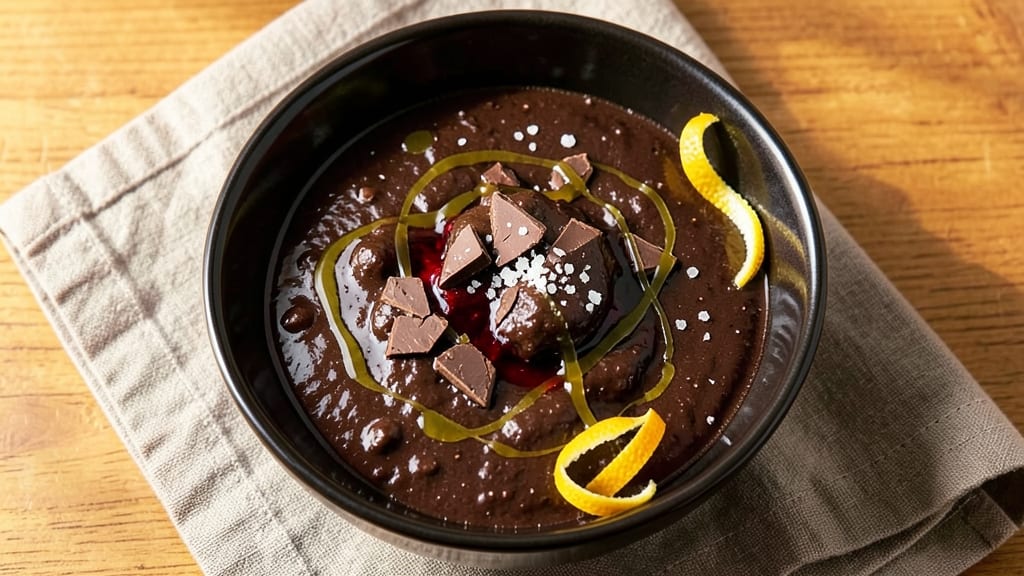
This dark chocolate balsamic vinegar recipe transforms simple ingredients into a luxurious pairing that elevates desserts, dips, and even savory dishes. Standing on a step stool in my grandmother’s kitchen in Sicily, I first learned how vinegar could deepen chocolate’s richness—now I’m sharing that secret with you.
The process is straightforward, requiring just five key ingredients and 15 minutes of active time, but the results are restaurant-quality.
The magic happens when high-quality dark chocolate melts into warm balsamic vinegar, creating a glossy, velvety glaze with layers of bittersweet intensity. I always use 70% cocoa chocolate for depth, and a touch of vanilla or orange zest adds brightness that balances the vinegar’s tang.
This glaze isn’t just for desserts—it’s a game-changer for strawberry salads, grilled meats, or even as a finishing touch on vanilla ice cream.
What you’ll end up with is a versatile sauce that’s equally at home drizzled over fresh berries or paired with sharp cheeses. The texture is silky, the flavor complex, and the aroma irresistible.
Once you try this, store-bought chocolate sauces will never compare. Let’s get started—your taste buds will thank you.
This recipe makes enough for two uses, so plan ahead or double the batch for gifting. The glaze keeps well in the fridge for up to two weeks, making it perfect for meal prep or holiday entertaining.
Trust me, this is one condiment your kitchen will reach for again and again.
Ingredients for dark chocolate balsamic vinegar
Five ingredients transform into a velvety glaze that tastes like a gourmet secret.
| Ingredient | Amount | Notes |
|---|---|---|
| Dark Chocolate Bars 🍫 | 8 oz | 70% cocoa or higher, chopped |
| Balsamic Vinegar 🍷 | ½ cup | Aged, high-quality preferred |
| Extra-Virgin Olive Oil 🫒 | 2 tbsp | For richness and gloss |
| Vanilla Extract 🌿 | ½ tsp | Pure, high-quality preferred |
| Orange Zest 🍊 | 1 tsp | Fresh, finely grated |
| Sea Salt 🧂 | ¼ tsp | Fine grain, for balance |
| Pinch 🌶️ | 1 pinch | Black pepper, optional |
The chocolate is the star—70% cocoa or higher is non-negotiable for that deep, bittersweet bite. Ghirardelli or Lindt bars melt beautifully, but any high-quality dark chocolate works. Balsamic vinegar should be aged and rich—look for labels like 'extra aged' or 'barrel-aged' at stores like Whole Foods or specialty markets. The olive oil adds silkiness, so grab a fruity, extra-virgin bottle. Vanilla extract should be pure, nothing with alcohol fillers—McCormick or Nielsen-Massey are solid choices. Fresh orange zest brightens everything, so use the zest from one small orange (about 1 tsp).
No 70% cocoa chocolate? 60% works in a pinch, but the flavor won’t be as intense. Substitute vanilla with orange extract at half the amount if you’re out. Short on balsamic? Red wine reduction works too, but the tang will be slightly different. The olive oil can be swapped for avocado oil, though texture might vary. For extra depth, add a pinch of smoked paprika—it’s a pro trick. If you’re feeling adventurous, a splash of espresso powder (1/4 tsp) adds a coffee note that pairs amazingly with chocolate.
This glaze thickens as it cools, so reheat gently with a splash of water if it gets too stiff. Keeps in the fridge for up to 2 weeks in an airtight jar. For gifting, portion into small jars—add a ribbon and tag, and it’s instant holiday magic. Freezes for up to 3 months if you want to prep ahead. I always make a double batch: one for my dessert plate, one to drizzle over strawberries for guests.
Why You'll Love This Recipe
- Five-Ingredient Magic: I swear by this—just melt chocolate, drizzle vinegar, and stir. No fancy gadgets, no stress. The balsamic and orange zest wake up the chocolate like a morning coffee.
- Rich, Tangy Balance: That first bite? Deep cocoa meets bright acidity, then vanilla and citrus cut through like a fresh breeze. It’s like dessert had a personality upgrade—sophisticated but still feels indulgent.
- Drizzle Everywhere: Use it over ice cream, fold into whipped cream, or toss with nuts for a snack. Honestly, I’ve even stirred it into yogurt for a grown-up treat. The possibilities are endless.
- Makes Leftovers Worth It: A single batch stretches for days—dip fruit in it, swirl into oatmeal, or keep it in the fridge for a quick dessert fix. And since it’s mostly chocolate and vinegar, it’s cheaper than takeout.
Step-by-step instructions for dark chocolate balsamic vinegar pairing
Let's create a luxurious chocolate-dipped experience that balances rich chocolate with tangy balsamic notes.
Melt the Dark Chocolate Bars
Place the 8 ounces of dark chocolate bars in a heatproof bowl set over a saucepan filled with 1 inch of simmering water. Make sure the bottom of the bowl doesn't touch the water—this is a double boiler method that prevents burning. Stir gently with a silicone spatula every 30 seconds until the chocolate melts completely and becomes smooth.
You'll know it's ready when the chocolate reaches 110°F on a candy thermometer and has a glossy sheen. If you don't have a thermometer, look for the moment when all the chocolate pieces disappear and the mixture looks like liquid silk. Remove from heat immediately after melting to prevent overheating, which can cause the chocolate to seize.
Incorporate the Balsamic Vinegar and Olive Oil
Slowly pour in the ½ cup balsamic vinegar while whisking continuously to create a gentle emulsification. The vinegar will initially look like it's separating, but keep whisking until the mixture begins to come together. Then add the 2 tablespoons of extra-virgin olive oil and whisk until fully combined.
This step is crucial for balancing flavors—the balsamic adds that signature tang that cuts through the richness of the chocolate, while the olive oil adds a velvety texture. You'll notice the mixture darken slightly as the balsamic integrates, which is normal and actually enhances the depth of flavor. The final texture should be smooth and pourable, like a thick glaze.
Add Aromatics and Seasonings
Remove the bowl from heat and let it cool slightly for 2 minutes before adding the ½ teaspoon vanilla extract, 1 teaspoon orange zest, and ¼ teaspoon sea salt. Whisk vigorously for 30 seconds to fully incorporate these ingredients. The vanilla will mellow the acidity of the balsamic, the orange zest adds a bright citrus note, and the salt enhances all the flavors.
For that optional finishing touch, add the 1 pinch of black pepper and whisk briefly. The pepper might seem unusual, but it adds a subtle warmth that complements the chocolate beautifully. Taste the mixture and adjust the salt if needed—you want the flavors to be balanced with a perfect harmony between sweet, tangy, and slightly bitter notes.
Cool and Adjust Consistency
Let the mixture cool to 90°F before using it, which should take about 10-15 minutes. If the glaze thickens too much during cooling, thin it with 1 teaspoon of hot water at a time until you reach a smooth, spreadable consistency. The glaze should coat the back of a spoon but still flow freely when drizzled.
This cooling step is essential for achieving the perfect texture. If you use it too hot, it may melt whatever you're drizzling it over. The final product should have a glossy finish with a perfect balance of chocolate richness and balsamic tang. Store any leftovers in an airtight container in the refrigerator for up to 1 week, re-warming gently before use.
Pro Tips For Making Dark Chocolate Balsamic Vinegar
- Temper the Chocolate: Melt the dark chocolate gently—drop chopped pieces into warm (not boiling) balsamic vinegar and oil, stirring constantly until smooth. I learned this the hard way: dumping chunks into hot liquid causes seizing, and no one wants to scrape burnt chocolate off the bottom.
- Reduce Vinegar Slowly: Simmer the balsamic vinegar on low heat for 10–15 minutes, stirring occasionally, until it thickens to a glossy syrup. After burning three batches, I finally figured out that rushing this step turns the vinegar bitter—patience here makes all the difference.
- Zest First, Then Add: Grate the orange zest right before removing the sauce from heat—it loses potency fast. I was skeptical until I tried it: fresh zest brightens the flavor, while pre-adding it just fades into the background.
- Swap Vanilla for Extract: Use pure vanilla extract (not imitation) and add it at the end—just a teaspoon will do. I skip this when I’m lazy, but the dish is noticeably better when I don’t: the alcohol burns off, leaving pure vanilla aroma.
Troubleshooting perfect results
Chocolate Seizing
If your chocolate suddenly turns grainy or lumpy during melting, you’ve hit the dreaded seize. This happens when moisture (like steam) or overheating causes the cocoa butter to separate.
To fix it, immediately remove the bowl from heat and whisk in 1 teaspoon of hot water or neutral oil (like avocado oil) to restore smoothness. Stir vigorously until fully combined. For prevention, ensure your chocolate is finely chopped and avoid direct heat—always use a double boiler.
I’ve ruined more chocolate this way than I’d admit, but this trick saves every time. 💡
Vinegar Overpowering
The balsamic’s tang can dominate if the chocolate isn’t rich enough. If your glaze tastes too sharp, balance it by adding ½ teaspoon more vanilla extract or ¼ teaspoon orange zest to brighten the flavor.
For a deeper chocolate note, whisk in 1 extra ounce of melted chocolate (reserve some from your original batch). If the glaze still tastes too acidic, a pinch of brown sugar can help mellow the tang without overpowering.
Taste as you go—this is where your Nonna’s wooden spoon comes in handy!
Glaze Too Thick
If your glaze solidifies into a paste, don’t panic! Thin it gradually with ½ teaspoon hot water at a time while whisking until it reaches a pourable consistency. Avoid cold water—it can cause the chocolate to seize again.
For a smoother texture, strain the mixture through a fine-mesh sieve to remove any lumps. If reheating is needed, warm the glaze gently in a double boiler to 90°F—never microwave, as it can make the chocolate grainy.
Pro tip: Store leftovers in a jar with a splash of water to keep them workable. ✨
Uneven Texture
Graininess or streaks often mean the chocolate wasn’t melted evenly or the ingredients weren’t fully incorporated. To fix, whisk the glaze vigorously for 1-2 minutes over low heat (or with a hand mixer) to emulsify the mixture. If streaks persist, strain it through a fine-mesh sieve for a silky finish.
For prevention, melt the chocolate slowly and whisk continuously when adding the balsamic vinegar. I once made a batch that looked like swirled paint—this trick saved it every time. 🎨
Flavor Imbalance
If your glaze tastes flat or one-note, it’s likely missing contrast. Boost the chocolate’s depth with a pinch of smoked paprika or espresso powder (¼ teaspoon). For brightness, add more orange zest or a splash of lemon juice (¼ teaspoon).
If the balsamic is too dominant, stir in 1 extra tablespoon of olive oil to mellow the acidity. Trust your taste buds—this glaze should sing with layers of sweet, tangy, and bitter notes. Adjust gradually to avoid overcorrecting.
Storage Issues
If your glaze separates or develops a skin in the fridge, it’s not ruined—just needs reviving! Gently reheat the glaze in a double boiler to 90°F while whisking until smooth. For long-term storage, portion into small jars and press plastic wrap directly on the surface to prevent oxidation.
If the glaze hardens completely, thin it with 1 teaspoon of hot water and whisk until silky. I’ve saved many a forgotten jar this way—don’t toss it just yet! ❄️
Nutrition facts
Frequently asked questions
Can I use this glaze on savory dishes?
While it's perfect for desserts, this rich glaze elevates grilled meats like steak or pork chops, especially when paired with blue cheese. Try drizzling it over roasted vegetables or even as a finishing touch for charcuterie boards. The balsamic's tang cuts through rich flavors beautifully, creating a perfect balance.
How do I store leftovers?
Transfer to an airtight container and refrigerate for up to 2 weeks. For longer storage, freeze in 1-tablespoon portions for easy thawing. To reheat, warm gently in a double boiler to 90°F—never microwave directly. A splash of hot water helps restore smoothness if it thickens.
What if I don't have balsamic vinegar?
Use aged red wine reduction (simmer ½ cup red wine until syrupy) or port wine for depth. For a sweeter option, try date syrup or fig jam (reduce with water first). The key is balancing sweetness with acidity—always taste as you go.
Can I make this gluten-free?
Yes! All ingredients are naturally gluten-free. Just ensure your dark chocolate and vanilla extract are certified gluten-free brands. The recipe remains safe for gluten-sensitive diets without any modifications. Always check labels for cross-contamination warnings if needed.
How can I make it extra shiny?
Add 1 extra tablespoon of olive oil or ½ teaspoon of lemon juice before cooling. For a restaurant-worthy finish, whisk in ½ teaspoon of corn syrup (just before using) to enhance gloss. Chill the glaze for 30 minutes before drizzling for maximum shine.