
Desserts
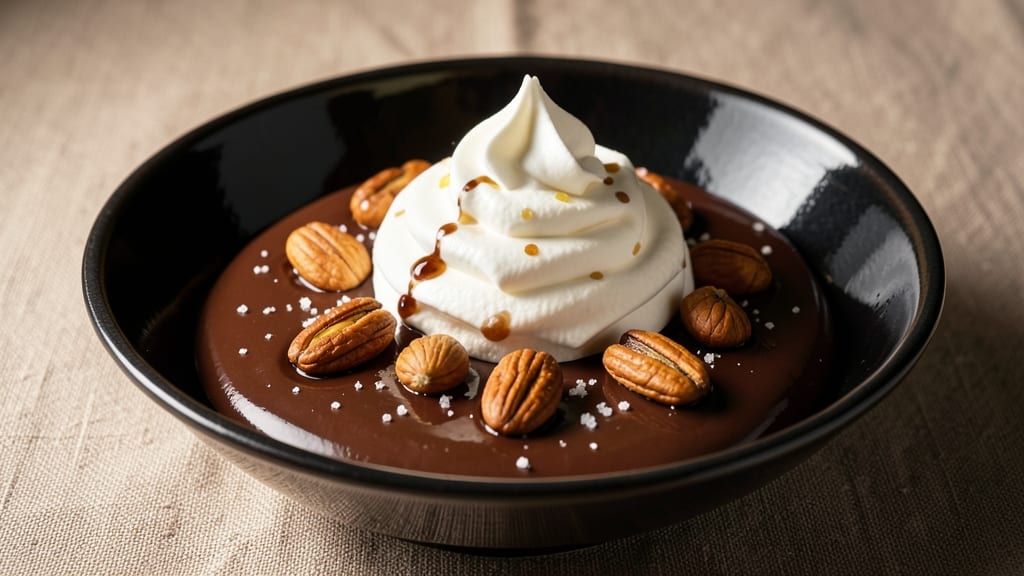
Creating gianduja chocolate—that luxurious, hazelnut-infused ganache—transforms ordinary desserts into something extraordinary. The secret lies in perfectly roasted hazelnuts blended with high-quality chocolate and just the right amount of sugar to create a velvety, nutty spread with unmistakable depth.
This recipe delivers professional results without requiring tempering expertise, making it ideal for truffles, torrone, or even as a filling for chocolates.
What sets gianduja apart is its balance of textures and flavors: the toasted hazelnut richness pairs beautifully with the smoothness of chocolate, creating a harmonious blend that’s both elegant and approachable.
The process is straightforward—roast the hazelnuts until fragrant, grind them finely, then melt the chocolate with sugar before combining everything for a silky, spreadable ganache. Every step builds toward that signature nutty richness that defines gianduja.
By the end, you’ll have a versatile ganache that can be used in countless ways—drizzled over cakes, rolled into truffles, or layered in chocolates.
The result is a dessert component that feels luxurious yet is simple to execute, perfect for both home bakers and those looking to elevate their confectionery skills. Let’s get started on crafting this timeless Italian classic.
The beauty of gianduja lies in its adaptability—whether you’re making traditional torrone or experimenting with modern twists like chocolate bark or filled chocolates. This recipe ensures you’ll achieve that perfect balance of nutty intensity and chocolate smoothness every time, making it a staple for any dessert enthusiast.
Ingredients for gianduja chocolate
Eight simple ingredients, one luxurious result—gianduja chocolate ganache that feels like a bakery secret.
| Ingredient | Amount | Notes |
|---|---|---|
| Hazelnuts (with skins) 🥜 | 2 cups | Raw, unsalted, for roasting |
| Dark Chocolate (70% cocoa) 🍫 | 8 oz | High-quality, finely chopped |
| Granulated Sugar 🍚 | ¼ cup | Fine grain preferred |
| Unsalted Butter 🧈 | ½ cup | Cold, cut into small cubes |
| Heavy Cream 🥛 | ¼ cup | Cold, for smooth texture |
| Vanilla Extract 🌿 | ½ tsp | Pure, high-quality preferred |
| Kosher Salt 🧂 | ¼ tsp | Fine grain for balance |
| Extra-Virgin Olive Oil 🫒 | 1 tbsp | For hazelnut roasting |
| Powdered Sugar (optional) 🍚 | ½ cup | For dusting finished ganache |
The hazelnuts are non-negotiable. Look for raw, unsalted ones with skins—the skins caramelize beautifully during roasting. Whole Foods or Trader Joe's carry great options, but any bulk bin at a natural grocery store works too. Roast them in a 350°F (175°C) oven for 12-15 minutes until fragrant, then rub off the skins while warm. If you're in a hurry, pre-toasted hazelnuts from the baking aisle work, but fresh roasted gives that signature depth. The chocolate? Valrhona or Callebaut if you're splurging, but Ghirardelli 70% dark is a solid budget pick—just chop it finely for even melting.
No hazelnuts? Walnut or almond butter can mimic the nutty base, though texture will differ slightly. Short on butter? Coconut oil works in a pinch, but it adds a subtle coconut note. The heavy cream can be swapped for half-and-half at 1:1 ratio, though the ganache will be slightly less stable. For a sweeter profile, increase sugar to 1/3 cup. The vanilla extract? Madagascar bourbon adds complexity, but pure vanilla works fine. Pro tip: if your ganache seizes up, add 1 tsp of warm water and whisk vigorously. It's a common hiccup, but easily fixed.
This ganache keeps beautifully. Store it in an airtight container in the fridge for up to 2 weeks, or freeze for 3 months. To use, let it sit at room temperature for 10-15 minutes until spreadable. For truffles, portion into 1-inch balls before chilling. The powdered sugar isn't necessary, but it adds that bakery-fresh finish. I like to dust mine right before serving—just tap the container on the counter to settle the sugar before sprinkling. Leftovers? Perfect for filling chocolates or swirling into brownies.
Why You'll Love This Recipe
- Here’s the secret: this recipe keeps for weeks in the fridge, and it only gets better with time. The flavors meld into this perfect balance of nutty and chocolatey, so you’ll be sneaking bites straight from the jar. Plus, it’s cheaper than buying fancy chocolate spreads—win-win.
- No-Fuss Process: I swear, this recipe only needs five steps—no fancy equipment, no tempering chocolate like some overcomplicated guides suggest. Toast the hazelnuts in a dry pan until fragrant, then blend them with sugar and butter until it’s basically nut butter heaven. The dark chocolate melts into it like butter on warm toast.
- Rich Nutty Luxury: That first bite? It’s like a hug from a chocolate factory. The toasted hazelnuts bring deep, earthy warmth, while the 70% dark chocolate adds a bittersweet punch. The heavy cream ties it all together—smooth, velvety, and just sweet enough to make you forget your own name.
- Date Night or Snack Attack: Between us, this stuff is ridiculously good for both. Spread it on fresh bread for a fancy charcuterie board, or dip strawberries in it for a dessert that looks like it took hours (but didn’t). I’ve even used it as a filling for homemade truffles—no one questions the shortcut.
Step-by-step instructions for hazelnut-infused ganache
Here's the precise method to create a rich, nutty gianduja ganache with perfect texture every time.
Toast and Process the Hazelnuts
Preheat your oven to 350°F and spread the 2 cups hazelnuts (with skins) on a baking sheet in a single layer. Roast for 12-15 minutes until fragrant and the skins begin to crack open—this releases their natural oils and deepens their flavor. Let them cool slightly before transferring to a food processor.
Add 1 tablespoon extra-virgin olive oil to the warm hazelnuts and pulse until they form a thick paste, about 2-3 minutes. The mixture should resemble wet sand with visible nut pieces. This hazelnut butter will infuse the ganache with authentic gianduja character. Set aside while you prepare the chocolate base.
Melt Chocolate and Butter Together
In a heatproof bowl set over a saucepan of simmering water (double boiler), combine the 8 oz dark chocolate (70% cocoa) and 0.5 cup unsalted butter (cold, cut into small cubes). Stir gently until both are completely melted and smooth, about 5-7 minutes. Remove from heat immediately to prevent overheating.
Real talk: the chocolate should be glossy and silky, not grainy. If you see any streaks of white fat, whisk in 1 teaspoon heavy cream to emulsify. This step is crucial for achieving that velvety texture gianduja is known for.
Incorporate Hazelnut Paste and Sweetener
Slowly pour the hazelnut paste into the melted chocolate mixture while whisking constantly. Add 0.25 cup granulated sugar and 0.5 teaspoon vanilla extract along with 0.25 teaspoon kosher salt, whisking until fully combined. The ganache should thicken slightly but remain pourable.
Here's where it gets interesting—the salt enhances the nutty depth while balancing the sweetness. If the mixture looks too thick, whisk in 1 tablespoon heavy cream at a time until it reaches a smooth, spreadable consistency. The ganache should coat the back of a spoon but still flow easily.
Temper and Finish the Ganache
Return the ganache to gentle heat (double boiler again) and slowly whisk in the remaining 0.25 cup heavy cream until fully incorporated. Continue heating for 2-3 minutes until the temperature reaches 115-120°F—this ensures proper tempering for a glossy finish.
Strain through a fine-mesh sieve to remove any remaining nut skins or impurities, then transfer to a clean bowl. For an extra touch, dust the surface with 0.5 cup powdered sugar (optional) using a fine-mesh sieve. This creates that signature gianduja presentation while adding subtle sweetness.
Set and Store Properly
Pour the ganache into a shallow dish or mold and let it cool at room temperature for 1 hour until set but still soft. Then refrigerate for 2 hours until firm. The final texture should be smooth, fudgy, and slightly firm enough to slice but still creamy.
This ganache keeps beautifully in the refrigerator for up to 2 weeks when stored in an airtight container. For best results, bring to room temperature before serving to restore that perfect spreadable consistency. The flavor will continue developing over time, becoming even more complex as the hazelnut and chocolate marry together.
Pro Tips For Making Gianduja Chocolate
- TOAST HAZELNUTS UNTIL GOLDEN: I learned this the hard way—skipping the skin removal first leads to bitter, uneven toasting. Dry-roast the nuts in a 350°F (175°C) oven for 12-15 minutes, shaking the pan every 5 minutes, until they’re fragrant and just starting to turn golden. Pull them out before they darken—you’ll blend them later, and burnt flavor sneaks in.
- CHOP CHOCOLATE SMALLER THAN YOU THINK: I used to chunk it like I was making fondue, but gianduja needs chocolate to melt evenly into the nut base. Roughly chop the 70% dark chocolate into rice-sized pieces—this size melts in 3-4 minutes at low heat without seizing. (Yes, even if you’re impatient like me.)
- WHISK CREAM COLD AND FAST: After burning three batches of gianduja from overheating the cream, I now heat it to just simmering (180°F/82°C) and pour it over the nut-chocolate mix off the heat. Then I whisk like my life depends on it—this emulsifies the butter and sugar instantly without cooking out the cream’s richness.
- STIR CONSTANTLY AFTER ADDING SUGAR: The sugar wants to clump and burn the second it hits the hot butter. As soon as you add it, grab that wooden spoon and keep moving it—even if it looks like nothing’s happening. After 30 seconds, the mixture will suddenly transform into a smooth paste. (Your future self will thank you.)
Essential equipment for great gianduja chocolate
Double Boiler Essentials
Your double boiler is the MVP for melting chocolate without burning it. I use a stainless steel heatproof bowl (like OXO Good Grips) that fits snugly over a saucepan of simmering water. The water should never touch the bowl—keep it just below the rim.
For extra stability, I add a silicone trivet to elevate the bowl slightly. A candy thermometer (like Thermoworks) is non-negotiable for tracking that 115-120°F tempering range. 🌡️
Food Processor Power
The right food processor makes all the difference when grinding hazelnuts. I swear by a Cuisinart DFP-14BCNY—it handles nuts with ease and won’t overheat. For smaller batches, a mini food processor (like Hamilton Beach) works too.
The key is pulsing until you get a thick paste—not butter yet, but something that holds together when pressed. If your processor struggles, add the nuts in two batches to avoid overfilling.
Precision Scales Matter
Chocolate work demands precision scales—a digital kitchen scale (like OXO Good Grips) is worth every penny. Weighing chocolate by ounces ensures consistency, especially when balancing the 8 oz chocolate to 2 cups hazelnuts.
For the sugar and butter, a gram scale helps achieve that perfect 1:3 ratio of chocolate to nut paste. Pro tip: zero your scale with the bowl to simplify measurements. ✨
Fine-Mesh Sieves
A fine-mesh sieve (like Norpro) is your secret weapon for silky-smooth ganache. After straining, you’ll remove any lingering nut skins or chocolate impurities that could ruin texture. For dusting powdered sugar, I use a mesh dusting sieve—it creates that professional, even layer without clumping.
Keep one handy for both straining and decorating. The difference between a homemade ganache and bakery-quality one often comes down to this step.
Heatproof Mixing Bowls
Your mixing bowls should be heatproof glass or stainless steel—never plastic. I reach for Pyrex measuring cups for small batches or a stainless steel mixing bowl (like Ziploc) for larger quantities. These materials handle temperature shifts without warping.
For whisking, a balloon whisk (like OXO Good Grips) incorporates air gently, while a silicon spatula scrapes every last bit of ganache from the bowl. 💡
Storage Containers
Invest in airtight containers with lids for storing your ganache. I prefer glass jars (like Le Parfait) because they’re microwave-safe and easy to clean. For portioning, silicone molds (like Emsa) work great for truffles.
Label containers with dates—gianduja keeps for 2 weeks refrigerated or 3 months frozen. Pro move: use parchment-lined containers to prevent sticking when unmolding.
Nutrition facts
Frequently asked questions
Why does my gianduja chocolate turn grainy?
Graininess usually happens when chocolate overheats or when water gets in during melting. Always use a double boiler and keep the heat at a gentle simmer. If it happens, whisk in 1 teaspoon heavy cream to smooth it out. Also, make sure your chocolate is high-quality—lower-grade chocolate is more prone to seizing.
Can I make gianduja without hazelnuts?
Yes! While hazelnuts are traditional, you can substitute with walnut or almond butter for a similar nutty flavor. For a seed-based option, try sunflower seed butter. Just adjust the amount to 1 cup of nut/seed butter instead of the hazelnut paste, and reduce the sugar slightly since nut butters are often sweeter.
What's the best way to use leftover gianduja?
Leftover gianduja is incredibly versatile! Use it to fill chocolates or macarons, drizzle over cakes or cheesecakes, or roll into truffles. For a quick treat, spread it on toasted brioche or use it as a filling for crepes. Store it in an airtight container for up to 2 weeks refrigerated or 3 months frozen.
How do I know when the hazelnuts are perfectly roasted?
The hazelnuts are ready when they’re deeply fragrant and the skins begin to crack open slightly. Roast for 12-15 minutes at 350°F—they should smell nutty and toasty, not burnt. If you over-roast, they’ll taste bitter. Let them cool just enough to handle, then rub off the skins while still warm for that authentic gianduja texture.
Can I make gianduja with milk chocolate instead of dark?
Technically yes, but the flavor will be sweeter and less complex. Dark chocolate (especially 70% cocoa) gives gianduja its signature depth. If you prefer milk chocolate, reduce the sugar to 1/4 cup and add 1 teaspoon espresso powder to enhance the nutty notes. The texture will also be richer, but the overall balance may lean sweeter.