
Desserts
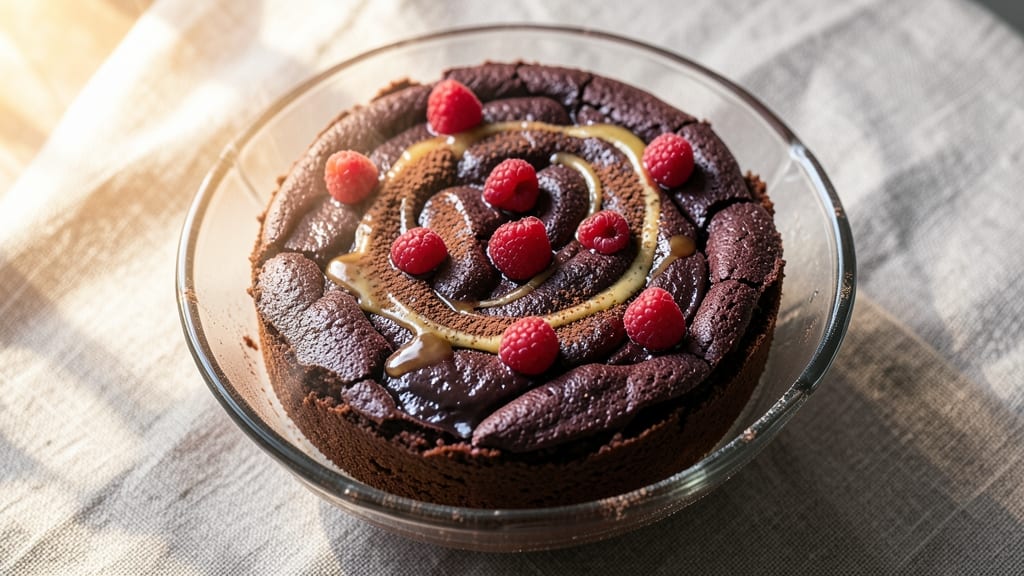
This moist chocolate fudge cake delivers deep cocoa flavor without a single dry crumb—something I perfected after years of baking experiments. The secret lies in precise ingredient ratios and a gentle baking approach that keeps the texture rich and velvety throughout.
What sets this recipe apart is the combination of buttermilk and sour cream, which adds moisture while maintaining that signature fudge-like density.
Professional bakers know the difference between a good chocolate cake and a great one comes down to technique. Here, we use melted butter for a smoother texture and incorporate cocoa powder twice—once in the dry ingredients and again in the wet mixture—for maximum flavor infusion.
The result is a cake that stays moist for days, with a tender crumb that practically melts in your mouth.
When baked to perfection, this cake features a crackly top that gives way to a fudgy interior, all while maintaining a clean slice. The deep chocolate flavor comes through without bitterness, thanks to the careful balance of cocoa and sugar.
Whether served plain or with a dusting of powdered sugar and fresh berries, it’s a dessert that feels indulgent yet achieves restaurant-quality results at home.
Ready in just one hour with minimal effort, this recipe is ideal for special occasions or when you crave a decadent treat without the fuss. The instructions are straightforward, but the results are anything but ordinary—proof that the best desserts often require the simplest techniques executed with precision.
Ingredients for moist chocolate fudge cake
Twelve ingredients, two key techniques—melted butter and double cocoa—transform simple pantry staples into restaurant-quality fudge cake.
| Ingredient | Amount | Notes |
|---|---|---|
| Unsalted Butter 🧈 | 1 cup | Melted, cooled slightly |
| Granulated Sugar 🍚 | 2 cups | White, fine granulation |
| Unsweetened Cocoa Powder 🍫 | ¾ cup | Natural or Dutch-processed |
| All-Purpose Flour 🌾 | 2 cups | Sifted, spooned lightly |
| Baking Powder 🧂 | 1 ½ tsp | Aluminum-free preferred |
| Diamond Crystal Kosher Salt 🧂 | ½ tsp | Fine grain preferred |
| Buttermilk 🥛 | 1 cup | Fresh, room temperature |
| Sour Cream 🍦 | ½ cup | Full-fat for richness |
| Large Eggs 🥚 | 2 whole | Room temperature preferred |
| Vanilla Extract 🌿 | 1 tbsp | Pure, high-quality |
| Extra-Virgin Olive Oil 🫒 | ¼ cup | For greasing pan |
| Powdered Sugar 🍚 | ¼ cup | For dusting, optional |
The cocoa powder is non-negotiable here. Valrhona or Guittard brands deliver that professional depth, but Hershey's Special Dark works in a pinch. Sift it first—clumps ruin the texture. Butter must be melted and cooled to 110°F; too hot and it curdles the eggs. For the flour, King Arthur or Bob's Red Mill brands are ideal—they bake evenly. The buttermilk and sour cream? Full-fat versions only—they're what give this cake its signature moisture without heaviness. Eggs should be at room temperature for even distribution.
No buttermilk? Mix 1 tbsp vinegar or lemon juice with 1 cup milk, let sit 5 minutes. Substituting sour cream? Greek yogurt at half the amount works, but the texture won't be identical. Cocoa powder shortages? Dutch-processed yields deeper flavor but requires extra baking powder. For the vanilla, imitation extracts add no flavor—splurge on the real thing. The olive oil for greasing? Any neutral oil works, but extra-virgin adds subtle fruity notes. Powdered sugar is optional but recommended—it's what creates that signature dusting on top.
Store baked cake in an airtight container at room temperature for up to 3 days. For longer storage, wrap tightly in plastic and refrigerate for 1 week. Freeze for 3 months by wrapping individual slices. The cake actually improves overnight—moisture redistributes for a more velvety texture. To reheat, warm at 300°F for 10 minutes—just enough to soften the crumb without drying it out. Slice with a serrated knife for clean cuts.
Why You'll Love This Recipe
- No Mixer Needed: I’ll admit, I don’t own a stand mixer—yet this cake turns out rich and velvety just by creaming butter and sugar with a wooden spoon. The secret’s in the slow fold of cocoa powder into the wet ingredients, which keeps it from getting dense.
- Fudge-Like Magic: That deep, molasses-y cocoa flavor? It’s not just from the powder—melting butter into the sugar first creates this unexpected caramel depth. One bite and you’ll swear it’s a bakery slice, not something you made with five pantry staples.
- Weeknight Crowd-Pleaser: Honestly, this is my go-to for birthdays, potlucks, or when I’ve got a houseful and zero energy. It bakes in one bowl (no lining required), and the leftovers? Still moist enough to reheat in the microwave—no sad, dry crumbs here.
- Budget Baking Win: Between us, this recipe costs me less than $3 to make, and the cocoa powder stretches further than store-bought mixes. Plus, the butter-to-sugar ratio means every slice tastes like you went all out, even if you’re pinching pennies.
Step-by-step instructions for moist chocolate fudge cake
Here's how to achieve that signature fudgy texture with deep cocoa flavor and not a single dry crumb.
Melt and Cool the Butter
In a heatproof bowl set over a pot of simmering water, melt the 1 cup unsalted butter until completely liquid. Remove from heat and let it cool to 110°F—about 10 minutes. The butter should be warm to the touch but not hot. I use a kitchen thermometer for precision here because if the butter is too hot when mixed with eggs, you'll scramble them instead of creating a smooth batter.
This cooling step is critical for achieving that tender crumb. The slight warmth helps emulsify the fats with the dry ingredients, while preventing the eggs from cooking prematurely. Let it cool just until it leaves a light film on your finger when you touch it—this is your visual cue it's ready for the next step.
Cream Butter, Sugar, and Cocoa Powder
In a stand mixer fitted with the paddle attachment, combine the cooled butter, 2 cups granulated sugar, and 0.75 cup unsweetened cocoa powder. Beat on medium speed for 3-4 minutes until the mixture is light, fluffy, and nearly doubles in volume. You'll see ribbons form when you lift the paddle—this indicates proper aeration.
The reason we mix these three ingredients first is that the cocoa powder needs to be fully incorporated into the fat to prevent streaks in the final cake. I like to scrape down the sides of the bowl every 30 seconds to ensure even distribution. This step creates the foundation for that rich chocolate flavor and helps create a tender crumb structure.
Add Wet Ingredients and Mix Gently
Add the 2 whole large eggs, one at a time, mixing on low speed for 30 seconds after each addition. Then stir in the 1 cup buttermilk, 0.5 cup sour cream, and 1 tablespoon vanilla extract. Mix on low speed just until combined—about 1 minute. Overmixing develops gluten in the flour and can make the cake dense.
The buttermilk and sour cream contribute to the moisture while adding subtle tang that balances the sweetness. Here's the thing—don't worry if the batter looks slightly curdled after adding the buttermilk. Once we incorporate the dry ingredients, everything will come together smoothly. The batter should be thick but pourable at this stage.
Combine Dry Ingredients and Fold
In a separate bowl, whisk together the 2 cups all-purpose flour, 1.5 teaspoons baking powder, and 0.5 teaspoon diamond crystal kosher salt. With the mixer on low speed, gradually add the dry ingredients to the wet mixture, mixing just until the flour disappears—about 30 seconds. Stop mixing immediately after the flour is incorporated to prevent developing gluten.
This is where the magic happens for that tender crumb. The key is to mix just until combined—you should still see small pockets of flour. I like to use a silicone spatula to gently fold in any remaining dry spots by hand. The result should be a thick, smooth batter that holds its shape when dropped from a spoon.
Bake to Perfect Moisture
Preheat your oven to 350°F. Grease a 9-inch round cake pan with 0.25 cup extra-virgin olive oil and line the bottom with parchment paper. Pour the batter into the prepared pan and smooth the top. Bake for 35-40 minutes, or until a toothpick inserted in the center comes out with moist crumbs but no wet batter.
The cake is done when the edges pull away slightly from the pan and the top springs back when gently pressed. I know it seems counterintuitive, but you want that toothpick to have moist crumbs—not wet batter (which would indicate underbaking) and not dry crumbs (which would mean overbaking). Let the cake cool in the pan for 10 minutes, then transfer to a wire rack to cool completely.
Dust with Powdered Sugar (Optional)
Once completely cool, dust the top with 0.25 cup powdered sugar using a fine-mesh sieve. This step is optional but adds that professional finish that makes the cake look even more decadent. The powdered sugar helps balance the richness and gives that classic fudge cake presentation.
To serve, slice into 4 equal wedges—each piece should be moist with a fudgy texture throughout. The secret to maintaining moisture is never overbaking and using the buttermilk and sour cream in the batter. Store any leftovers covered at room temperature for up to 3 days or refrigerated for up to 1 week—though I doubt you'll have any leftovers!
Pro Tips For Making Moist Chocolate Fudge Cake
- Melt Butter Slowly: I learned this the hard way—dumping cold butter into hot sugar makes a greasy mess. Warm your butter in the microwave for 20 seconds first, then melt it with the sugar over medium-low heat. This keeps the mixture smooth and prevents lumps that ruin the texture.
- Sift That Cocoa: Unsweetened cocoa powder is notorious for clumping, and nothing kills a fudge cake faster than dry spots. Sift it with the flour and baking powder right into the dry ingredients—no extra effort, just better distribution.
- Stop When It Springs: Overbaking is the enemy of moisture. Your cake’s done when a toothpick comes out with just a few moist crumbs (not wet batter, not dry powder). Pull it at 325°F internal temp, then tent with foil for 5 minutes—this keeps the top from cracking while it sets.
- Whisk Eggs Cold: Whisk your eggs at room temp, but don’t warm them beyond that. Cold eggs incorporate better into the batter, and they won’t scramble when you add them to the hot butter-sugar mix. (Yes, even if you’re impatient like me.)
Best sauces and condiments for these flavors
Classic Chocolate Ganache
This rich chocolate ganache is my go-to for drizzling over the cake—it enhances the fudge texture without overpowering. Melt 1 cup heavy cream and pour over 8 ounces chopped dark chocolate (70% cocoa), then let sit for 2 minutes before stirring until smooth.
For extra decadence, fold in 1 tablespoon unsalted butter at the end. Let it cool to 85°F before drizzling for a glossy finish. 🍫
Whipped Cream Variations
Lightly sweetened whipped cream balances the cake's richness perfectly. Whip 1 cup heavy cream with 2 tablespoons powdered sugar and ½ teaspoon vanilla extract until soft peaks form. For a tangy twist, replace 1 tablespoon cream with sour cream—it adds subtle depth.
Store in an airtight container for up to 2 days in the fridge. ✨
Espresso-Infused Syrup
Add complexity with this simple syrup that cuts through the chocolate. Combine ½ cup water, ½ cup granulated sugar, and 1 tablespoon instant espresso powder in a saucepan.
Bring to a boil, then simmer for 2 minutes until dissolved. Cool completely before drizzling over slices—it enhances the chocolate flavor without adding sweetness. 💫
Salted Caramel Sauce
This sauce adds a sophisticated contrast to the fudge cake. Cook ½ cup granulated sugar in a saucepan over medium heat until it turns amber. Slowly whisk in ¼ cup heavy cream, then add 2 tablespoons unsalted butter and ½ teaspoon flaky sea salt.
Stir until smooth and let cool slightly. Drizzle over cake slices for a salty-sweet balance. 🔥
Fresh Berries & Cream
Fresh strawberries or raspberries add brightness to each bite. Toss 1 cup halved berries with 1 tablespoon powdered sugar and a squeeze of lemon juice. Serve alongside a dollop of whipped cream for a refreshing contrast. The acidity cuts through the richness beautifully. 🍓
Spiced Whipped Cream
For a cozy twist, infuse whipped cream with warm spices. Warm ½ cup heavy cream with ½ teaspoon ground cinnamon and ¼ teaspoon cardamom for 2 minutes, then chill.
Whip with 1 tablespoon powdered sugar until fluffy. The spices complement the chocolate while adding warmth. Perfect for fall or winter servings. 🌶️
Nutrition facts
Frequently asked questions
Why does this cake stay moist for days while others get dry?
The secret is the combination of buttermilk and sour cream—they add moisture without making the cake heavy. Plus, we use melted butter (cooled to 110°F) which creates a tender crumb, and we avoid overbaking by testing with a toothpick that shows moist crumbs rather than dry ones. The powdered sugar dusting also helps lock in moisture.
Can I make this cake without buttermilk?
Yes! Mix 1 tablespoon vinegar or lemon juice with 1 cup milk, let sit for 5 minutes to curdle, then use as a 1:1 substitute. For the sour cream, Greek yogurt at half the amount works in a pinch, though the texture won't be identical. The moisture will still be good, but the cake may be slightly denser.
What's the best way to store leftovers?
Keep the cake in an airtight container at room temperature for up to 3 days. For longer storage, refrigerate for 1 week or freeze for 3 months by wrapping slices individually. The cake actually improves overnight as moisture redistributes—it becomes even more tender! To reheat, warm at 300°F for 10 minutes.
How do I prevent cracks on top of the cake?
Cracks form when the batter is too dry or the oven temperature fluctuates. To avoid them, make sure your butter is cooled to 110°F before mixing, and don't overmix the batter. Also, preheat your oven fully for 20 minutes before baking. If cracks still appear, they're purely cosmetic—the cake will still taste delicious!
Can I use Dutch-processed cocoa instead of natural?
Dutch-processed cocoa gives a smoother, deeper flavor but requires 1 extra teaspoon of baking powder (total 2.5 tsp) to maintain lift. Natural cocoa has a brighter, slightly tangy taste. Either works—just adjust the baking powder if using Dutch-processed for the same texture.