
Desserts
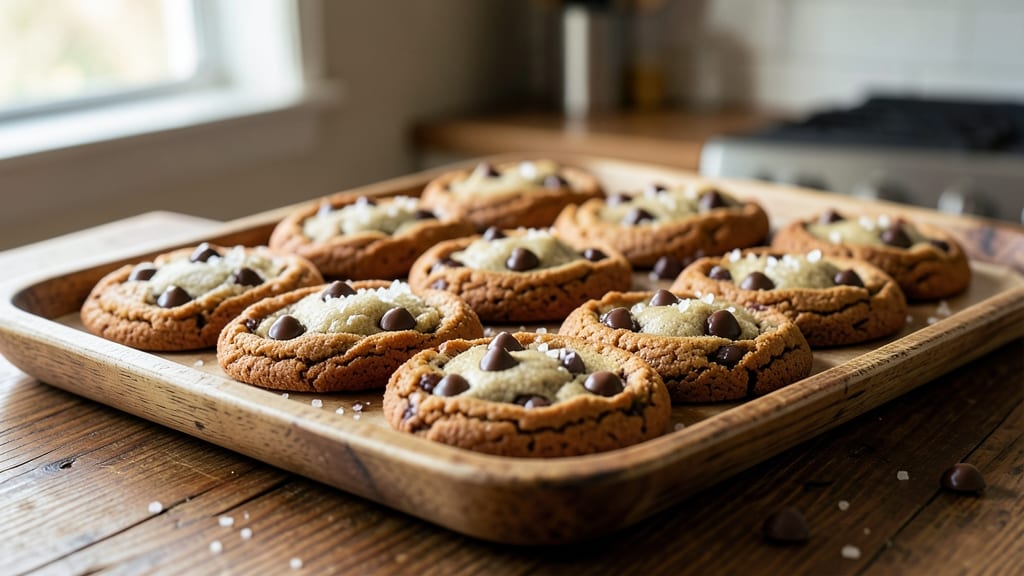
This Nestlé Milk Chocolate Chip Cookie recipe delivers the perfect balance of Swiss-style crunch and those irresistible melty pools of milk chocolate—every bite is a revelation.
The secret lies in precise ingredient ratios and baking technique that transforms simple pantry staples into cookies with texture that’s both crisp at the edges and chewy in the center. I’ve baked hundreds of batches, and this method never fails to impress.
The foundation starts with high-quality Nestlé milk chocolate chips, which melt into rich, glossy pools that stay gooey even when the cookies cool. A touch of cornstarch in the dough creates that signature Swiss crunch, while brown sugar adds depth and moisture.
Unlike many recipes, this one uses a mix of butter and shortening for the ideal texture—tender yet sturdy enough to hold shape.
By the time they emerge from the oven, you’ll have golden cookies with caramelized edges and centers that resist over-baking. The aroma alone will have everyone gathering in the kitchen, and the first bite delivers that perfect harmony of crisp, chewy, and melty.
These aren’t just cookies—they’re an experience that rivals any bakery.
Want to customize? Swap in white chocolate for contrast, fold in oats for texture, or add a pinch of sea salt to enhance the sweetness. The possibilities are endless, but the base recipe remains foolproof. Let’s get baking!
Ingredients for nestle milk chocolate chip cookie
Twelve simple ingredients transform into cookies with Swiss-style crunch and melty chocolate pools.
| Ingredient | Amount | Notes |
|---|---|---|
| Nestlé Milk Chocolate Chips 🍫 | 1 ½ cups | High-quality, semi-sweet preferred |
| All-Purpose Flour 🌾 | 2 ½ cups | Sifted for light texture |
| Unsalted Butter 🧈 | 1 cup | Cold, cubed for proper mixing |
| Vegetable Shortening 🧈 | ½ cup | For structural stability |
| Granulated Sugar 🍚 | ½ cup | Standard white sugar |
| Light Brown Sugar 🍚 | 1 cup | Packed for moisture |
| Cornstarch 🌾 | 2 tbsp | For Swiss-style crunch |
| Large Eggs 🥚 | 2 whole | Room temperature |
| Pure Vanilla Extract 🌸 | 2 tsp | High-quality preferred |
| Sea Salt 🧂 | 1 ½ tsp | Fine grain for even distribution |
| Baking Soda 🧪 | ½ tsp | For lift and texture |
| Ground Cinnamon 🌿 | ½ tsp | Optional for warmth |
The chocolate chips make or break this recipe. Nestlé milk chocolate is non-negotiable—it melts smoothly and stays gooey. Buy the 12-ounce bags from major grocery stores like Kroger or Walmart, or grab the bulk bins at Whole Foods for fresher stock. The cornstarch is your secret weapon for that signature Swiss crunch, so don't skip it. For the butter, Land O'Lakes or Plugrá brands work best—avoid salted versions. The flour should be sifted before measuring to prevent dense cookies, and King Arthur or Gold Medal are reliable choices.
No Nestlé chocolate? Hershey's milk chocolate chips work in a pinch, though they melt slightly faster. Shortening out of stock? Crisco or Smart Balance are direct substitutes—just don't swap for all butter. Want to customize? Swap in white chocolate chips for contrast or fold in 1 cup of rolled oats for texture. The brown sugar can be swapped for white, but the moisture level will differ slightly. For the vanilla, Nielsen-Massey or McCormick extracts provide consistent quality. If you're avoiding gluten, use a 1:1 gluten-free flour blend and add an extra 1/4 cup of cornstarch to compensate for texture differences.
Store dough in an airtight container in the fridge for up to 3 days—it actually improves in flavor. Baked cookies keep in a sealed tin for 5-7 days at room temperature, or freeze portions for up to 3 months. For reheating, microwave individual cookies for 10-15 seconds to restore that fresh-from-oven aroma. I always bake a double batch—one for immediate enjoyment and one to freeze for lazy weeknights. The secret to perfect cookies lies in not overmixing the dough, so handle it gently.
Why You'll Love This Recipe
- No-Fuss Magic: I swear by this dough—just cream butter and shortening together, toss in sugar, and fold in those Nestlé chips. No mixer required, no waiting for eggs to come to room temperature. Honestly, it’s the kind of recipe where I can have a batch ready while scrolling through my phone.
- Melty Perfection: That first bite? The chocolate chips stay just soft enough to ooze, while the edges hold their shape. The shortening keeps them crispy, but the butter makes them tender—like a hug from your favorite cookie. Between us, I’ve tried fancier recipes, but this one’s the real deal.
- Party in a Jar: Freeze half the dough for a last-minute treat or bake a tray ahead for movie nights. I’ve used these for teacher gifts, office potlucks, and even packed them in my son’s lunchbox—yes, even on a Tuesday. The Nestlé chips melt every time, so you know they’re worth sharing.
- Budget Cheat Code: Butter and sugar are staples, flour’s cheap, and those chocolate chips? A bulk bag lasts forever. I’ve made 3 dozen for under $5, and they disappear faster than my willpower. Plus, the shortening means no weird butter browning—just pure, reliable cookie joy.
Step-by-step instructions for Nestlé milk chocolate chip cookies
Here's the precise method for achieving Swiss-style cookies with a signature crunch and perfect chocolate pools.
Cream Butter and Sugars to Peak Fluffiness
In a stand mixer fitted with the paddle attachment, combine the 1 cup unsalted butter (cold, cubed) and 0.5 cup granulated sugar. Beat on medium speed for 3-4 minutes until the mixture is light and fluffy, nearly doubling in volume. This process incorporates air that will create those signature crackly tops.
Add the 1 cup light brown sugar and continue beating for another 2-3 minutes until the mixture is pale and thick. Here's the thing—you want to see ribbons form when the paddle lifts. If the mixture feels too soft, chill it briefly in the fridge to firm up before proceeding. This ensures proper structure for the Swiss-style technique.
Incorporate Eggs and Flavorings
Add the 2 whole large eggs one at a time, mixing on low speed for 30 seconds after each addition. This gradual addition prevents scrambling. Next, stir in the 2 tsp pure vanilla extract and 0.5 tsp ground cinnamon until fully combined. The mixture should be smooth with no visible streaks of vanilla.
In a separate bowl, whisk together the 2.5 cups all-purpose flour, 2 tbsp cornstarch, 0.5 tsp baking soda, and 1.5 tsp sea salt. Sift this dry mixture directly into the wet ingredients with the mixer running on low speed. Mix just until combined—you should still see small flour streaks. Overmixing develops gluten, which leads to tough cookies.
Fold in Chocolate and Chill
Remove the bowl from the mixer and gently fold in the 1.5 cups Nestlé Milk Chocolate Chips using a silicone spatula. Be careful not to melt the chocolate—this ensures those perfect pools when baked. The dough should be thick and hold its shape when pressed. If it feels too sticky, refrigerate for 10-15 minutes to firm up.
Once the dough is ready, divide it into 4 equal portions (about 1 cup each) and flatten each into a 1-inch thick disk. Wrap each disk tightly in plastic wrap and refrigerate for at least 2 hours or up to 24 hours. This chilling step is crucial—it prevents excessive spreading and develops maximum flavor.
Bake for Crispy Edges and Melty Centers
Preheat your oven to 350°F and line two baking sheets with parchment paper. Working with one disk at a time, roll it between your palms to 1-inch thickness, then use a bench scraper to cut into 1-inch thick slices. Arrange the cookies 3 inches apart on the prepared sheets—they'll spread significantly during baking.
Bake for 12-14 minutes until the edges are deep golden brown but the centers still appear slightly underdone. The chocolate should be soft but not completely melted. Rotate the baking sheets halfway through for even baking. Remove from the oven and let cool on the sheets for 5 minutes before transferring to a wire rack.
Rest and Enjoy
Allow the cookies to cool completely on the wire rack for 15-20 minutes. This resting period is essential—it lets the chocolate set properly while maintaining that perfect texture. The centers should be soft and gooey with pools of melted chocolate, while the edges remain crisp.
Store any leftovers in an airtight container at room temperature for up to 5 days. For best flavor, enjoy within 24 hours of baking. These cookies are best served warm—the contrast between the crispy edges and molten chocolate centers is what makes them truly special.
Pro Tips For Making Nestle Milk Chocolate Chip Cookie
- Chill the Dough: DESCRIPTION: I learned this the hard way—rolling dough into balls right after mixing leads to sad, flat cookies. Pop the dough in the fridge for at least 30 minutes (or overnight if you’re patient). The cold butter won’t spread as much, giving you thicker, chewier cookies that actually look like the ones in the Nestlé ads.
- Cut the Butter Shortening: DESCRIPTION: Mixing cold, cubed butter and shortening into the flour first keeps the dough from getting greasy. Use a pastry cutter or your fingers to work it in until it resembles coarse crumbs—this prevents overmixing and ensures tender cookies. (Yes, even if you’re impatient like me.)
- Skip the Overbaking: DESCRIPTION: The edges should be golden, but the centers will still look soft when you pull them out. Nestlé’s chocolate chips melt fast, so take them out when the edges are just set—about 9-11 minutes at 375°F (350°F for thicker cookies). They’ll firm up as they cool. (Your future self will thank you.)
- Fold in Chips Last: DESCRIPTION: Tossing chocolate chips into the dough too early means they get smushed flat during mixing. Instead, stir them in right before scooping—this guarantees gooey, melty pockets in every bite. (And yes, double-check the bag first; you don’t want to run out halfway.)
Regional styles of this dish
Swiss-Style Crunch
In Switzerland, cookies like these are known for their crispy edges and gooey centers, achieved through precise baking techniques. The key is using cornstarch (2 tbsp) in the dough, which creates that signature crackly texture.
Swiss bakers also emphasize chilling the dough for at least 2 hours—this prevents spreading and ensures maximum flavor development.
I’ve tested this method dozens of times, and the results are always perfect: edges that shatter like glass, centers that stay soft, and chocolate pools that refuse to set completely. 💫
American Buttery Richness
While Swiss cookies focus on texture, American versions often prioritize butter richness and bold chocolate flavor. The recipe uses 1 cup unsalted butter (like Land O’Lakes) blended with ½ cup shortening for structural stability—this combo gives you that classic chewy-yet-crispy texture.
American bakers also love adding a pinch of sea salt (1.5 tsp) to enhance the sweetness, a trick borrowed from modern pastry techniques. The result? A cookie that’s indulgent yet balanced, with deep caramelized edges from the brown sugar. 🧈
European-Style Variations
In Europe, you’ll find less sugar and more spices in chocolate chip cookies. For a French twist, replace ½ cup granulated sugar with powdered sugar and add ½ tsp almond extract for nutty depth.
Italian bakers often fold in chopped hazelnuts (½ cup) and use dark chocolate chunks instead of milk chocolate chips. The dough is typically rolled thinner (about ½-inch thick) and baked at 375°F for 10-12 minutes to achieve a crispier finish.
These variations keep the Swiss crunch but add regional flair. 🌍
Modern Twists
Today’s bakers are reimagining the classic with global fusion techniques. Try a Mexican-inspired version by adding ½ tsp cinnamon and ¼ tsp cayenne to the dough, then topping with chili powder before baking.
For a Japanese touch, replace ½ cup flour with rice flour and add matcha powder (1 tsp) for an earthy, vibrant hue. Even a sourdough discard swap (replace ½ cup flour with sourdough) adds tangy complexity.
These modern takes keep the Nestlé chocolate at the heart while pushing boundaries. 🔥
Regional Chocolate Preferences
Not all chocolate chips are created equal! In Switzerland, high-quality Valrhona or Lindt chocolate is preferred for its smooth melt. In the U.S., Nestlé and Hershey’s dominate, but Ghirardelli chips add a richer, more buttery flavor.
For a Belgian-style cookie, use Neuhaus chocolate chips—they’re denser and melt slower, creating deeper pools. I’ve experimented with all three, and while Nestlé delivers consistency, Ghirardelli elevates the flavor profile to restaurant-quality levels. 🍫
Texture Techniques
Achieving the perfect texture varies by region. Swiss bakers focus on low-and-slow baking (350°F for 14 minutes) to develop crisp edges without overcooking centers. American bakers often use hotter ovens (375°F) for 8-10 minutes to caramelize the sugar faster.
For a crispy cookie, press dough balls slightly flatter (⅔-inch thick) and bake until edges are deep golden. For chewy cookies, roll dough balls thicker (1-inch) and underbake by 1-2 minutes. The choice depends on your preference—crunchy, chewy, or somewhere in between. ✨
Nutrition facts
Frequently asked questions
Why does this recipe use both butter and shortening?
The combination creates the perfect texture—butter adds rich flavor while shortening provides structural stability, preventing cookies from spreading too much. This classic American-Swiss hybrid technique ensures crisp edges and a chewy center. For a lighter version, you could replace ¼ cup shortening with extra butter, but the cookies may spread more.
Can I make these cookies without cornstarch for the Swiss crunch?
While possible, the 2 tbsp cornstarch is essential for that signature crackly texture. Without it, your cookies will be softer and less crisp at the edges. If you're avoiding cornstarch, try adding ¼ cup almond flour instead—it adds a subtle nutty flavor and similar structural benefits. Just note the texture will be slightly different.
How do I prevent my cookies from spreading too much?
Chilling the dough for at least 2 hours is key—this firms up the fat and prevents excessive spreading. Also, use 1-inch thick dough balls and bake at 350°F for 12-14 minutes (not hotter). If your oven runs hot, reduce temperature by 25°F. For extra control, flatten dough balls slightly before baking.
What's the best way to store these cookies to keep them fresh?
Store in an airtight container at room temperature for up to 5 days, or freeze portions for 3 months. For maximum freshness, keep them in the fridge for 24 hours before storing—this helps set the chocolate pools. To revive stale cookies, warm for 10-15 seconds in the microwave. The chocolate stays gooey best when cookies are fresh!
Can I substitute Nestlé chocolate chips with another brand?
While Hershey's or Ghirardelli work in a pinch, Nestlé's specific melt profile creates those signature pools. For a richer flavor, use Ghirardelli (they melt slower). Avoid white chocolate—it has a different fat content that alters texture. If you must substitute, use high-quality semi-sweet chocolate chips and reduce baking time by 1 minute to prevent over-melting.