
Desserts
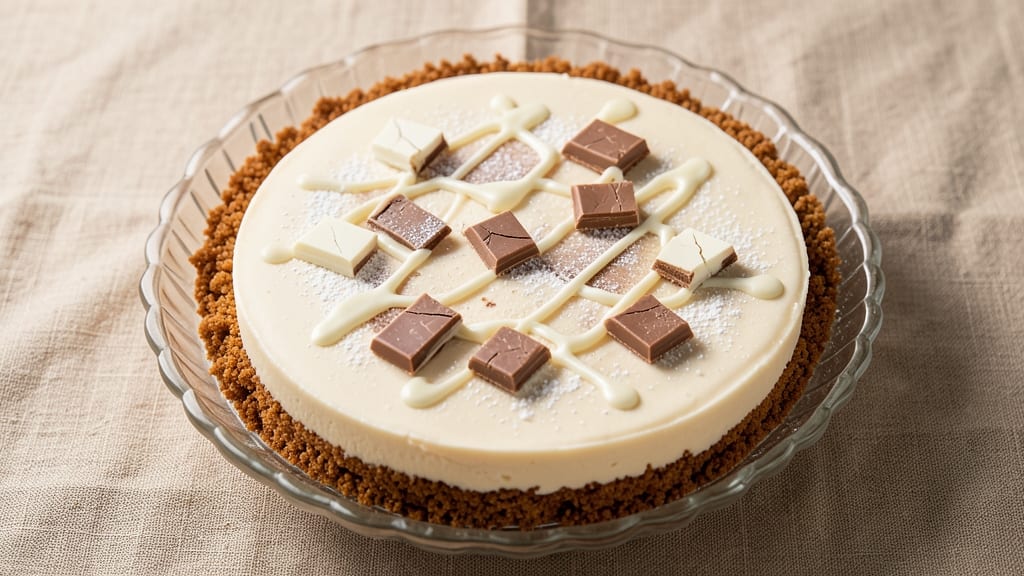
This Philadelphia white chocolate cheesecake recipe delivers the perfect balance of rich, creamy filling and a crispy graham cracker crust—a dessert that feels indulgent yet refined.
The secret lies in using high-quality white chocolate and Philadelphia cream cheese, combined with a foolproof water bath technique to ensure a smooth, crack-free texture. I’ve tested countless variations, and this one consistently delivers that signature velvety swirl with a golden, buttery crust that holds up beautifully.
The recipe begins with a crispy graham cracker base, toasted until fragrant and golden, providing the perfect contrast to the silky filling. Philadelphia cream cheese and white chocolate create a lusely, no-fuss mixture that bakes to a tender yet firm finish—no cracks in sight.
The water bath method is key here, ensuring even heat distribution and a clean release from the pan. It’s a technique worth mastering for restaurant-quality results at home.
By the time you’re done, you’ll have a cheesecake with velvety swirls of white chocolate throughout, a crispy, buttery crust, and a smooth, creamy texture that melts in your mouth. The aroma alone—warm vanilla, rich chocolate, and toasted graham crackers—will have everyone anticipating dessert.
This recipe is designed to impress, whether you’re serving it at a dinner party or simply treating yourself to a decadent slice.
Pair it with fresh berries or a dollop of whipped cream for an extra touch of elegance. The best part? It’s easier than it looks, and the results are always worth the effort. Let’s get baking!
Ingredients for philadelphia white chocolate cheesecake
High-quality white chocolate, Philadelphia cream cheese, and a crispy graham crust—this dessert delivers restaurant-worthy elegance with minimal fuss.
| Ingredient | Amount | Notes |
|---|---|---|
| Philadelphia Cream Cheese 🧀 | 16 oz | Room temperature, full-fat preferred |
| White Chocolate Bars 🍫 | 8 oz | High-quality, 100% cacao preferred |
| Granulated Sugar 🍚 | 1 ½ cups | Superfine preferred for smooth texture |
| Large Eggs 🥚 | 4 whole | Room temperature, separated |
| Pure Vanilla Extract 🌿 | 1 tbsp | Bourbon-infused for depth |
| Graham Cracker Crumbs 🍪 | 2 cups | Homemade or high-quality store-bought |
| Unsalted Butter 🧈 | ½ cup | Melted, cold for crust |
| All-Purpose Flour 🌾 | ¼ cup | For crust binding |
| Light Corn Syrup 🍯 | ¼ cup | For stability, optional |
| Salt 🧂 | ½ tsp | Fine sea salt |
| Heavy Whipping Cream 🥛 | ½ cup | For final swirls |
| Powdered Sugar 🍚 | ¼ cup | For dusting |
The Philadelphia cream cheese is non-negotiable—it’s what gives this cheesecake its signature velvety texture. Grab the 16 oz block from the refrigerated section, not the tub. Guittard or Albertsons brands are my go-tos for consistent quality. For the white chocolate, Ghirardelli or Valrhona are worth the splurge—they melt smoothly and don’t seize. If you’re using bars, chop them into tiny pieces for even distribution. And here’s a pro tip: let both the cream cheese and eggs sit at room temperature for at least an hour before mixing—this prevents lumps and ensures a silky batter.
No superfine sugar? Pulse regular granulated sugar in a food processor for 30 seconds—it’ll work in a pinch. The graham cracker crumbs should be finely ground; if yours are chunky, pulse them in a blender. For the crust, butter matters—use unsalted and let it cool slightly after melting so it doesn’t overcook the crust. Swapping the white chocolate? Divine or Callebaut are solid alternatives, but avoid anything with added oils or emulsifiers. The vanilla extract can be imitation, but bottled bourbon-infused adds that extra layer of warmth. And if you’re feeling fancy, fold in a splash of orange liqueur with the vanilla for a citrusy twist.
This cheesecake keeps beautifully—5 days in the fridge, fully covered. For the crust, press it into the pan and chill for at least 30 minutes before adding the filling—this prevents crumbling. If you’re prepping ahead, assemble the cake up to 24 hours before baking; just cover it tightly and let it sit at room temperature. The finished dessert holds up for 4 days in the fridge, though it’s best enjoyed within 2. For serving, dust with powdered sugar right before slicing—it adds that final touch of elegance. And if you’re making it for a crowd, bake it in two 9-inch pans for perfect portions.
Why You'll Love This Recipe
- No Mixer Needed: I swear by this—just a whisk and a bowl. The cream cheese and sugar blend effortlessly when you beat those eggs in one at a time, no lumps, no stress. Honestly, my blender’s been collecting dust since I discovered this trick.
- White Chocolate Magic: That first bite? Rich, velvety cream cheese meets the smooth, buttery crunch of melted white chocolate—it’s like a hug for your taste buds. The vanilla ties it all together without overpowering, so every forkful feels premium, not fussy.
- Party in a Box: Slice this for a crowd and watch it disappear—birthday cake vibes without the fuss. Between us, I’ve served it at holiday brunches, potlucks, and even as a "dessert emergency" for unexpected guests. It’s the kind of treat that makes people pause mid-conversation.
- Leftovers? More Like Leftovers: This recipe actually encourages seconds. The texture stays perfect for days—no soggy bottoms, no weird textures. I’ll be real: I’ve reheated slices for breakfast (yes, really) and they’re still just as good. Plus, it’s cheaper than ordering in when you’re craving something decadent.
Step-by-step instructions for Philadelphia white chocolate cheesecake
Here's how to create a showstopping cheesecake with rich white chocolate swirls and a perfectly crisp graham crust.
Prepare the Crisp Graham Crust
Preheat your oven to 350°F and melt the 0.5 cup unsalted butter in a small saucepan over low heat. Once fully melted, remove from heat and stir in the 2 cups graham cracker crumbs and 0.25 cup all-purpose flour until completely combined. The mixture should look like wet sand.
Press this mixture firmly into the bottom of a 9-inch springform pan, creating an even layer. Use the back of a spoon to smooth the top and create a slight lip around the edges. Bake for 10 minutes until the crust is set and just beginning to turn golden. Watch closely—it should be firm but not browned. Remove from oven and let cool while you prepare the filling.
Create the White Chocolate Filling
In a large mixing bowl, beat the 16 oz Philadelphia cream cheese and 1.5 cups granulated sugar together on medium speed until completely smooth and creamy. This should take about 3-4 minutes. Scrape down the sides of the bowl as needed to ensure even mixing. The mixture should be pale yellow and completely free of lumps.
Add the 4 whole large eggs, one at a time, mixing just until each is fully incorporated after adding. Be careful not to overmix—just combine until no streaks remain. Stir in the 1 tbsp pure vanilla extract and 0.5 tsp salt. This is your base filling, and proper mixing at this stage ensures a silky texture later.
Melt White Chocolate for Swirls
While the crust cools, melt the 8 oz white chocolate bars in a heatproof bowl set over a saucepan of simmering water, making sure the bowl doesn't touch the water. Stir gently until completely melted and smooth. Remove from heat and let cool slightly to 100°F—it should be thick enough to hold its shape when drizzled but still pourable.
In a separate bowl, whip the 0.5 cup heavy whipping cream to soft peaks. Gently fold this into the melted white chocolate until fully combined. This lighter mixture will create beautiful swirls in the finished cheesecake. Keep both mixtures at room temperature for easy mixing.
Assemble and Bake the Cheesecake
Pour the cream cheese mixture evenly over the cooled crust. Using a rubber spatula, gently swirl the white chocolate mixture through the cream cheese batter in an even pattern, creating marbled effects. Tap the pan gently on the counter to help the mixture settle and eliminate air bubbles.
Place the springform pan in a large roasting pan and carefully pour hot water into the roasting pan until it reaches halfway up the sides of the springform pan. This water bath creates gentle, even heat that prevents cracking. Bake at 325°F for 50-55 minutes until the edges are set but the center still has a slight wobble. The cheesecake should be just barely set—it will continue firming up as it cools.
Cool and Finish Perfectly
Remove the cheesecake from the water bath and let it cool in the oven with the door slightly ajar for 1 hour. This gradual cooling helps prevent cracking. Then transfer to the refrigerator and chill for at least 4 hours, preferably overnight. The longer it chills, the firmer and creamier it becomes.
Before serving, dust the top with 0.25 cup powdered sugar using a fine-mesh sieve for an elegant finish. If you prefer extra richness, drizzle with additional melted white chocolate. The contrast of the crisp graham crust with the velvety white chocolate filling creates an unforgettable texture experience—each bite delivers that perfect combination of creamy, rich, and slightly crisp elements.
Pro Tips For Making Philadelphia White Chocolate Cheesecake
- Melt White Chocolate Slowly: I learned this the hard way—dumping chopped white chocolate into hot cream and expecting it to melt smoothly is a recipe for graininess. Instead, heat the cream until it’s steaming (not boiling), then pour it over the chocolate in a bowl and let it sit for 2 minutes before stirring. The chocolate will melt like butter, not clump like sand.
- Room-Temp Cream Cheese: Philadelphia blocks straight from the fridge are stubborn. Take them out 24 hours before baking—yes, even if you’re in a hurry. Cold cream cheese whips into lumps, and those lumps won’t blend out, no matter how long you beat. If you’re desperate, microwave the blocks for 10 seconds in 5-second bursts, but the room-temp method is foolproof.
- Don’t Overmix the Batter: I used to beat this batter until it looked like glossy paint, but that’s how you end up with a dense, cakey cheesecake instead of a silky one. Mix just until the sugar dissolves and the eggs are fully incorporated—about 2 minutes max. Overmixing adds air, which collapses in the oven and leaves you with a sad, heavy center.
- Water Bath, But Not Too Deep: Wrap your springform pan in foil first, then place it in a deep roasting pan with hot water—just enough to come halfway up the sides. Too little water won’t regulate the heat, and too much risks flooding your oven. The goal is steady, gentle baking, not a science experiment. And for the love of dessert, don’t skip the water bath—this isn’t a guess.
Common mistakes when making this dish
Overmixing the Batter
The biggest rookie mistake is overmixing the cream cheese and egg mixture. When you beat the eggs in too vigorously, you risk incorporating too much air, which leads to cracks during baking. I’ve seen beginners whip this batter for 5+ minutes—don’t do that!
Mix just until the eggs are fully incorporated, about 30 seconds per egg, and stop when the batter looks smooth but not frothy. The goal is a pale, lump-free mixture, not a fluffy meringue. 💫
Skipping Room Temp Ingredients
Cold cream cheese or eggs will create lumps that ruin the silky texture. Always let your cream cheese sit at room temperature for at least 1 hour before mixing, and separate your eggs at room temperature too.
I’ve had cheesecakes turn out grainy because someone used cold ingredients straight from the fridge. Pro tip: Place the cream cheese block in a warm water bath for 10 minutes if you’re in a hurry.
Ignoring the Water Bath
Baking without a water bath is a fast track to cracks and uneven cooking. The water bath creates a gentle, even heat that prevents the edges from setting too quickly while the center stays soft. I’ve seen home bakers skip this step because they’re impatient—don’t!
Pour hot water into your roasting pan until it reaches halfway up the springform pan’s sides. This simple technique makes all the difference for a smooth, crack-free finish. 🔥
Overbaking the Cheesecake
Pulling the cheesecake out of the oven too early is a common mistake. The center should have a slight wobble when gently shaken—it’ll firm up as it cools. Overbaking dries out the texture and causes cracks.
Use an instant-read thermometer to check the internal temperature: it should reach 150-155°F at the center. If you’re unsure, err on the side of underbaking—it’s easier to fix than overdone cheesecake.
Not Cooling Gradually
Rushing the cooling process is another big mistake. After baking, let the cheesecake cool in the oven with the door slightly ajar for 1 hour before refrigerating. This gradual temperature drop prevents sudden contractions that cause cracks.
I’ve seen cheesecakes develop spiderweb cracks just because someone opened the fridge door too soon. Patience here pays off—trust the process! ⏰
Using Low-Quality Chocolate
Not all white chocolate is created equal. Cheap, store-brand white chocolate often contains additives like vegetable oils or emulsifiers that can make your cheesecake taste artificial and seize when melted. Invest in high-quality brands like Ghirardelli or Valrhona—they melt smoothly and add rich flavor.
I’ve tasted the difference, and it’s night and day. For the best results, chop your white chocolate finely before melting to ensure even distribution in the swirls.
Nutrition facts
Frequently asked questions
Can I substitute regular chocolate for the white chocolate?
The recipe is specifically designed for white chocolate to create that signature creamy, sweet flavor profile. Regular chocolate would darken the color and add bitterness that doesn't complement the graham crust. For a similar effect, try using divine white chocolate or Callebaut—both melt beautifully and maintain that smooth texture. If you're craving a different flavor, consider adding orange zest or raspberry swirls instead.
Why does my cheesecake crack even with the water bath?
Cracks often happen from sudden temperature changes or overmixing. Make sure to let the cheesecake cool in the oven with the door slightly open for 1 hour after baking, then refrigerate. Also, avoid opening the oven door frequently during baking. If cracks appear, cover them with melted white chocolate or whipped cream before serving—it adds a decorative touch!
How long can I make the crust ahead of time?
You can prepare and bake the graham crust up to 2 days ahead! Store it in an airtight container at room temperature. For the filling, mix the cream cheese and sugar mixture up to 24 hours in advance and refrigerate. Just add the eggs and white chocolate swirls right before baking. This makes prep easier for busy days!
Can I use a different crust instead of graham crackers?
For a nutty twist, try a pecan crust or digestive biscuit base. If you prefer something lighter, a gingersnap crust adds warm spice notes. Just adjust the baking time—some crusts (like nut-based ones) may need 5-7 minutes instead of 10. The key is pressing it firmly into the pan for stability.
How do I fix a sunken center?
A sunken center usually means the cheesecake was underbaked or cooled too quickly. If your center is still soft after baking, return it to the oven at 300°F for 10-15 minutes to set. For prevention, use an instant-read thermometer to check the center reaches 150-155°F. If the issue persists, try reducing the baking time by 5 minutes next time.