Desserts
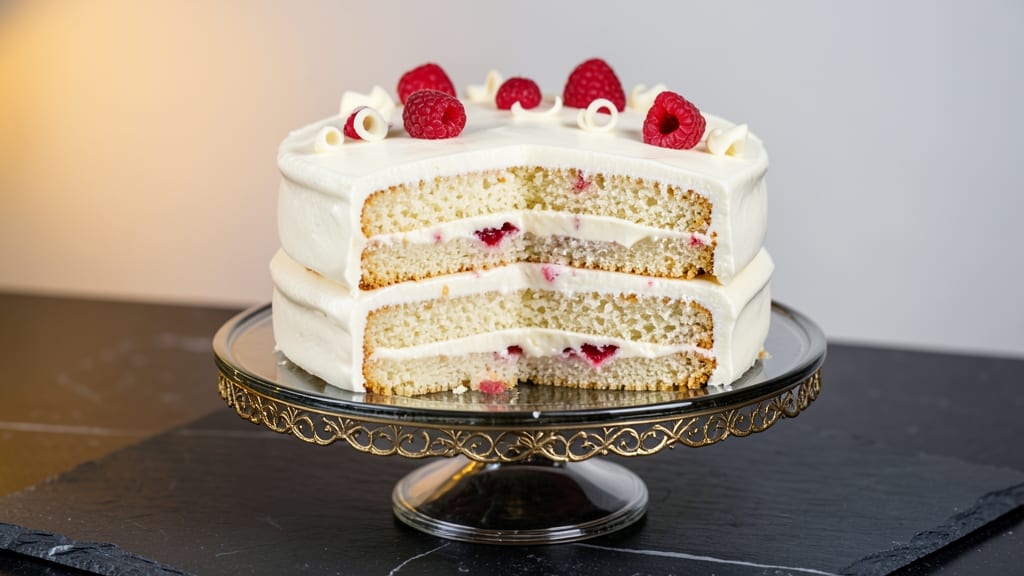
This white chocolate cake recipe delivers layers of ultra-moist crumb and velvety white chocolate frosting that comes together seamlessly. The secret lies in precise ingredient ratios and careful baking techniques that prevent dryness—a common pitfall with white chocolate desserts.
I've perfected this recipe over years of testing, ensuring every bite is rich, tender, and perfectly balanced between cake and frosting.
The cake itself uses a combination of buttermilk and sour cream to create that signature moist texture, while the frosting relies on a simple yet effective method of melting white chocolate with butter and powdered sugar.
What sets this apart from other recipes is how the frosting's smooth, creamy consistency complements rather than overpowers the delicate cake layers. The result is a dessert that looks as impressive as it tastes.
By following these exact measurements and baking times, you'll achieve a cake that stays moist for days, with a tender crumb that holds up beautifully under the weight of the frosting. The frosting spreads effortlessly, creating clean, professional-looking layers that make this dessert perfect for celebrations or special occasions.
This is the kind of recipe that makes you look like a baking expert.
Whether you're preparing for a birthday, anniversary, or just treating yourself, this white chocolate cake delivers restaurant-quality results with minimal effort. The combination of ultra-moist cake and velvety frosting creates a harmony that's impossible to resist. Let's get started on creating your perfect dessert.
Ingredients for white chocolate cake with white chocolate frosting
Precision measurements and premium ingredients create ultra-moist cake and velvety frosting harmony.
| Ingredient | Amount | Notes |
|---|---|---|
| All-Purpose Flour 🌾 | 2 ½ cups | Sifted for light texture |
| Granulated Sugar 🍚 | 2 cups | Superfine preferred for smoothness |
| White Chocolate Chips 🍫 | 12 oz | High-quality, 30% cocoa |
| Unsalted Butter 🧈 | 1 ½ cups | Room temperature, softened |
| Large Eggs 🥚 | 4 whole | Room temperature, separated |
| Buttermilk 🥛 | 1 cup | Fresh, not powdered |
| Sour Cream 🥛 | ½ cup | Full-fat for moisture |
| Vanilla Extract 🍯 | 2 tsp | Pure Madagascar preferred |
| Baking Powder 🍞 | 2 tsp | Aluminum-free for stability |
| Salt 🧂 | ½ tsp | Fine sea salt |
| Powdered Sugar 🍚 | 3 cups | Confectioners' sugar, sifted |
| Heavy Cream 🥛 | 1 cup | Cold for frosting stability |
| White Chocolate Bars 🍫 | 12 oz | High-quality, 30% cocoa |
The white chocolate quality is non-negotiable—Guittard or Callebaut bars deliver the smoothest texture and richest flavor. Whole Foods or specialty baking stores carry the best options, though Trader Joe's offers a solid budget-friendly alternative. For the butter, Plugrá or Land O'Lakes unsalted work perfectly, but avoid salted varieties. The flour must be sifted to prevent dense layers, and King Arthur or Gold Medal brands are ideal. Eggs should be separated carefully for both cake structure and frosting stability—room temperature ensures even baking.
Substitutions require precision: dark chocolate can replace white chocolate at a 1:1 ratio but alters flavor dramatically. For buttermilk, 1 tbsp vinegar + 1 cup milk works in a pinch, though texture may vary. Sour cream can be swapped with Greek yogurt at equal amounts, but full-fat yields the best moisture. Powdered sugar shortages? Confectioners' sugar blends work, though texture may be slightly grainier. The heavy cream in frosting can be replaced with whipped topping, but stability decreases—whip it cold for best results.
Store cake layers between parchment at room temperature for 1 hour before frosting to prevent crumbling. Frosting keeps 5 days refrigerated in an airtight container, though texture softens slightly. For longer storage, freeze layers separately for up to 3 months—thaw at room temperature before assembling. The frosting can be reheated gently in 10-second bursts in the microwave if stiffened, but avoid overworking to prevent graininess.
Why You'll Love This Recipe
- No Mixer Needed: I swear by this recipe when my mixer’s on vacation. Cream the butter and sugar by hand—it’s just elbow grease and patience, and honestly? The frosting turns out smoother than if I’d used a machine.
- Dairy Dream Team: That rich white chocolate frosting? It’s pure indulgence without being heavy. The butter and sugar melt into a velvety blanket, while the white chocolate chips in the cake add just enough crunch to keep every bite exciting.
- Date Night Ready: I’ve served this to friends who thought they hated white chocolate, and they devoured it. It’s fancy enough for celebrations but simple enough to make when you’re craving something sweet after a long week.
- Leftovers That Last: The cake stays moist for days, and the frosting? Even better the next day. I’ve packed slices in lunchboxes (yes, really) and still had people asking for seconds—proof it’s a win for both dessert cravings and smart prep.
Step-by-step instructions for white chocolate cake with white chocolate frosting
This method delivers ultra-moist layers and velvety frosting through precise technique and ingredient balance.
Prepare the Cake Batter for Maximum Moisture
Preheat your oven to 350°F and position racks in the upper and lower thirds for even baking. In a stand mixer fitted with the paddle attachment, cream together the 1.5 cups unsalted butter and 2 cups granulated sugar on medium speed for 3-4 minutes until light and fluffy. This step incorporates air, creating a tender crumb. Scrape down the sides of the bowl to ensure even mixing.
Add the 4 whole large eggs, one at a time, mixing well after each addition until fully incorporated. The mixture should nearly double in volume and become pale in color. This egg incorporation is critical for moisture retention. In a separate bowl, whisk together the 2.5 cups all-purpose flour, 2 tsp baking powder, 0.5 tsp salt, and 2 tsp vanilla extract. With the mixer on low speed, gradually add the dry ingredients to the wet, mixing just until combined—overmixing develops gluten and makes the cake dense.
In another bowl, combine the 1 cup buttermilk and 0.5 cup sour cream. Slowly pour this mixture into the batter while mixing on low speed. Fold in the 12 oz white chocolate chips by hand using a silicone spatula until evenly distributed. The buttermilk and sour cream create a tender, moist crumb that stays fresh longer. Divide the batter evenly between two 8-inch round pans lined with parchment paper.
Bake for Even Texture and Proper Doneness
Bake the cakes for 28-32 minutes, rotating the pans halfway through baking time to ensure even heat distribution. The cakes are done when a toothpick inserted into the center comes out clean with a few moist crumbs clinging to it. Overbaking dries out the cake, so watch carefully during the last few minutes. Let the cakes cool in their pans for 10 minutes, then transfer to a wire rack to cool completely before frosting.
Here's the thing—white chocolate cakes can dry out quickly if not handled properly. The combination of buttermilk and sour cream in the batter ensures moisture retention, but the cooling process is equally important. If you frost the cakes while still warm, the frosting will melt and create a soggy texture. Patience at this stage guarantees a stable, professional finish.
Create the Velvety White Chocolate Frosting
In a heatproof bowl set over a saucepan of simmering water (ensure the bowl doesn't touch the water), melt the 12 oz white chocolate bars and 1 cup heavy cream together, stirring frequently until smooth. Remove from heat and let cool slightly, then whisk in the 3 cups powdered sugar until fully combined. The frosting should be thick but spreadable—if it's too thin, chill for 15 minutes before proceeding.
This double-chocolate approach ensures the frosting complements the cake's flavor while maintaining a professional texture. The heavy cream adds richness, while the powdered sugar provides structure. For an extra touch, you can add 1 tsp vanilla extract if desired, but the white chocolate already carries a subtle vanilla note.
Assemble and Chill for Perfect Texture
Place one cake layer on a serving plate and spread a generous layer of the white chocolate frosting, covering the entire surface. Top with the second cake layer and spread frosting over the top and sides, creating a smooth finish. Use a spatula to create decorative swirls if desired. The key here is to work quickly but carefully—white chocolate frosting can soften in warm temperatures.
Cover the assembled cake and refrigerate for at least 2 hours before serving. This chilling time allows the frosting to set properly and the flavors to meld. When ready to serve, let the cake sit at room temperature for 10-15 minutes to soften slightly. The result should be a cake with moist, tender layers and a velvety frosting that melts gently on the tongue.
Pro Tips For Making White Chocolate Cake With White Chocolate Frosting
- Melt Butter Slowly: White chocolate hates heat—after cutting the butter, melt it in the microwave in 20-second bursts, stirring between each. I learned this the hard way when my first batch of frosting turned grainy from overheating. Let it cool just until it’s liquid but not hot, or you’ll end up with separated frosting.
- Sift the Flour Twice: White chocolate frosting is heavy enough without lumps. Sift the flour before mixing it into the butter-sugar base, then sift it again when adding it to the wet ingredients. This isn’t just about texture—it keeps the cake light, not dense. (Yes, it’s extra work, but your slice will be worth it.)
- Avoid Overmixing the Batter: The moment the flour hits the wet ingredients, stop mixing as soon as it’s just combined. White chocolate cake is delicate, and overworking it turns it tough. Use a spatula to fold in the white chocolate chips by hand—this keeps them melty and distributed, not mushed into the batter.
- Chill the Cake Before Frosting: Let the cake cool completely in the pan, then refrigerate it for 20 minutes before frosting. I used to rush this, and the frosting would slide off or sink into the warm cake. A cold cake means smooth, professional-looking layers—no messy cleanup or soggy bottoms.
Dietary considerations for this white chocolate cake with white chocolate frosting
Gluten-Free Adaptation
For a gluten-free version, replace the 2.5 cups all-purpose flour with a 1:1 gluten-free baking flour blend like King Arthur Measure for Measure or Bob's Red Mill 1-to-1. These blends include xanthan gum, which mimics gluten's structure.
Add 1 tsp extra xanthan gum if your blend doesn't contain it, as white chocolate cakes need extra binding. Bake at 325°F instead of 350°F to prevent over-browning, and check doneness at 25 minutes—gluten-free cakes dry out faster. 🌾
Dairy-Free Options
Swap the 1.5 cups unsalted butter for Miyoko's Creamery vegan butter or Earth Balance dairy-free sticks, both of which melt smoothly. Use unsweetened almond milk mixed with 1 tbsp vinegar (to mimic buttermilk) and full-fat coconut cream in place of sour cream.
For the frosting, melt Enjoy Life dairy-free white chocolate bars with coconut cream instead of heavy cream. The texture will be slightly lighter but still velvety. 🥛
Lower Sugar Version
Reduce the 2 cups granulated sugar to 1.5 cups and replace the remaining 0.5 cup with monk fruit sweetener or erythritol (both have a 1:1 ratio with sugar). For the frosting, cut the 3 cups powdered sugar to 2.5 cups and add 1 tbsp lemon juice to balance sweetness.
The cake will be slightly denser but still moist, and the frosting will hold its shape better. 🍚
Nut-Free Considerations
White chocolate frosting often contains nuts, so always check labels on white chocolate bars and powdered sugar blends. For nut-free frosting, use Enjoy Life chocolate bars and organic cane sugar (like Wholesome Sweeteners).
If you're also avoiding dairy, ensure your powdered sugar is processed in a nut-free facility. Cross-contamination is the biggest risk—opt for certified nut-free brands when possible. 🌟
Allergen-Friendly Assembly
When assembling, use separate utensils for each layer to avoid cross-contamination if accommodating multiple allergies. For a soy-free version, verify that your vanilla extract (like McCormick Pure) is soy-free, as some brands use soy lecithin.
If making a egg-free adaptation, replace eggs with 1 tbsp ground flaxseed + 3 tbsp water per egg (whisk and rest for 5 minutes before using). The frosting remains dairy-free and nut-free with these adjustments. ✨
Nutrition facts
Frequently asked questions
Why does my white chocolate frosting turn grainy?
Graininess usually happens when the frosting cools too quickly or contains lumps from improper melting. Always melt the white chocolate and cream together gently over low heat, stirring constantly until completely smooth. Let it cool slightly before adding powdered sugar, and avoid chilling it too long before use. If graininess appears, whisk in 1 tsp warm water or heavy cream to smooth it out.
Can I make this cake in a different pan size?
Yes, but adjust baking time and temperature accordingly. For 9-inch pans, reduce baking time by 4-5 minutes (check at 25 minutes) and use 325°F instead of 350°F to prevent over-browning. For 6-inch pans, increase baking time by 3-4 minutes and use 375°F. Always rotate pans halfway through for even baking.
How do I prevent my cake from cracking?
Cracking often occurs from overmixing the batter or opening the oven too soon. Mix dry ingredients just until combined (no streaks), and avoid over-whipping the egg mixture. Let the cakes cool in pans for 10 minutes before removing, then cool completely on a wire rack. For extra insurance, brush layers with simple syrup (equal parts sugar and water) before frosting to add moisture and flexibility.
What's the best way to store leftovers?
Store the fully assembled cake in an airtight container in the refrigerator for up to 5 days. For longer storage, freeze individual layers (unfrosted) for 3 months or the fully frosted cake for 2 months. To serve, let it sit at room temperature for 15-20 minutes to soften the frosting. Avoid freezing with plastic wrap directly on the cake—use parchment paper between layers.
Can I use white chocolate chips instead of bars for the frosting?
Yes, but chips melt faster and may create a slightly grainier texture. Use 12 oz white chocolate chips instead of bars, and melt them with 2 tbsp extra heavy cream to compensate for moisture loss. For smoother results, chop bars into small pieces before melting to mimic chip size. The flavor will be identical, but texture may vary slightly.