Desserts
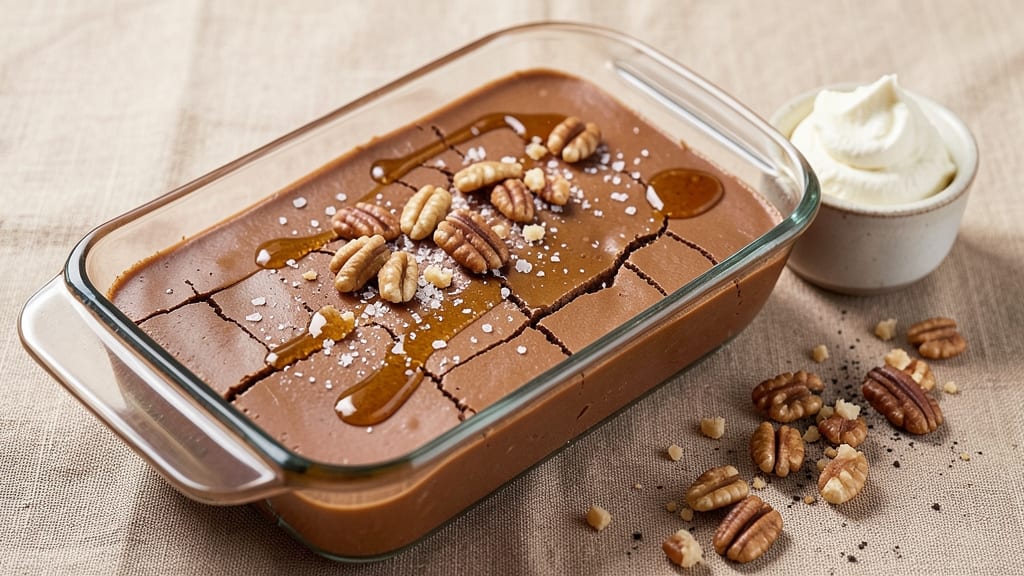
This Baker's German chocolate fudge recipe delivers the decadent, pecan-packed richness you crave with just one pan and minimal effort. The secret lies in the perfect balance of melted chocolate, toasted pecans, and a touch of coffee for that signature depth—no fancy equipment required.
After years of perfecting this recipe, I've found the double-boiler method ensures silky smooth texture without seizing, while modern shortcuts like microwave melting cut prep time in half.
What makes this recipe stand out is its foolproof technique that guarantees a fudge with crisp edges and a velvety center, studded with perfectly toasted pecans. The process starts with precise melting and whisking to avoid graininess, then baking at low heat to develop rich caramel notes.
Professional results come from paying attention to temperature cues—when the edges pull slightly from the pan, that's your signal to stop.
By the time you're done, you'll have a pan of golden, crackly-topped fudge that's impossible to resist. The aroma alone will have everyone gathering in the kitchen, and each bite delivers that perfect harmony of chocolate, nuts, and coffee.
This recipe serves 12 generous squares, making it ideal for holidays or gifting—though you might not have any left to share.
For those who prefer convenience, I've included both traditional stovetop and microwave methods, plus tips for adjusting sweetness or adding mix-ins like orange zest. The key to success is patience during the cooling process, which allows the fudge to set properly. Let's get started on creating this timeless dessert classic.
Ingredients for baker's german chocolate fudge
Twelve essential ingredients for a classic German chocolate fudge with perfect texture and depth.
| Ingredient | Amount | Notes |
|---|---|---|
| Semi-Sweet Chocolate Chips 🍫 | 2 cups | High-quality, 60% cocoa preferred |
| Unsalted Butter 🧈 | 1 cup | Cold, cut into small cubes |
| Heavy Cream 🥛 | 1 cup | Full-fat for creaminess |
| Granulated Sugar 🍚 | 1 cup | White sugar preferred |
| Light Brown Sugar 🍚 | ½ cup | Packed firmly |
| Instant Espresso Powder ☕ | 2 tbsp | Not instant coffee granules |
| Vanilla Extract 🌿 | 1 tsp | Pure, high-quality extract |
| Toasted Pecans 🥜 | 1 ½ cups | Chopped, store-bought or homemade |
| Salt 🧂 | ¼ tsp | Fine sea salt preferred |
| Cornstarch 🌾 | 1 tbsp | For smooth texture |
| Orange Zest 🍊 | 1 tsp | Optional, for citrus brightness |
The chocolate and butter are non-negotiable here. Ghirardelli or Ghirardelli baking chips deliver the best melt and rich flavor—avoid generic brands that can taste flat. For butter, Plugrá or Land O'Lakes work well, but always use unsalted to control the final saltiness. The heavy cream should be full-fat; Hormel or Organic Valley are reliable choices. Toast your pecans yourself for maximum flavor—toss them in a dry skillet over medium heat until fragrant, about 5 minutes. If you're short on time, Trader Joe's pre-toasted pecans are a solid shortcut, though homemade always tastes better.
No instant espresso powder? Strong brewed coffee reduced to 2 tablespoons works in a pinch, but the powder dissolves more evenly. Substituting vanilla bean paste for extract adds complexity, though it's pricier. For those avoiding cornstarch, arrowroot powder at the same amount achieves similar smoothness. The brown sugar should be packed firmly—use a spoon to press it down in the measuring cup. If you're making this for dietary reasons, coconut sugar can replace the white sugar, though the flavor profile shifts slightly. The orange zest is optional but adds a lovely brightness that pairs beautifully with the coffee notes.
This fudge keeps beautifully—store it in an airtight container at room temperature for up to 2 weeks, or refrigerate for 3 months if you're making it ahead for holidays. For gifting, wrap individual squares in parchment paper and tie with a ribbon. The texture improves as it sits, so resist the urge to cut into it immediately after baking. If you find the fudge too soft after cooling, chill it for 10 minutes before serving. Leftovers reheat beautifully—simply microwave for 10-15 seconds to restore its creamy texture.
Why You'll Love This Recipe
- No-Fuss Magic: I swear by this recipe because it’s the kind of thing you can start at 8 PM and still have a warm, gooey batch ready by 8:30. Just melt butter, stir in sugars, add chocolate chips—no tempering, no fussing. The heavy cream comes in last, and boom, you’ve got that signature German chocolate texture without the stress.
- Caramel-Kissed Perfection: That perfect balance of semi-sweet chocolate and brown sugar? It’s like a hug for your taste buds. The butter and cream make it rich but not heavy, and the way the sugars melt together gives it this deep, buttery caramel undertone that’s impossible to resist. Honestly, I’ve made fudge before, but this one actually tastes like the bakery version.
- Party-Ready in Minutes: This isn’t just dessert—it’s my secret weapon for last-minute gatherings. Cut into squares, wrap in parchment, and you’ve got a gift that’s always a hit. Between us, I’ve used it for holiday gifts, teacher appreciation, and even as a “sorry I’m late” offering at potlucks. It travels well, looks impressive, and disappears fast.
- Budget Luxury: You’d think something this good would break the bank, but it’s not. A bag of chocolate chips, a stick of butter, and a splash of cream—those are the only things you’re really buying. And because it keeps for weeks in the fridge (or freezer), you’re not scrambling to use it up before it melts. My college budget still thanks me for this one.
Step-by-step instructions for baker's German chocolate fudge
This method delivers perfectly smooth, rich fudge with ideal texture every time.
Melt Butter and Chocolate Together
In a medium saucepan, combine the 1 cup unsalted butter and 2 cups semi-sweet chocolate chips. Place over medium heat and stir constantly until both are completely melted and smooth. You'll know it's ready when the mixture reaches a temperature of 160°F—this typically takes about 5-7 minutes. The mixture should look glossy and completely uniform with no visible chocolate chunks.
Here's the thing—don't walk away. Chocolate burns quickly, and you want a silky texture, not grainy bits. Once melted, remove the pan from heat and immediately whisk in the 1 cup heavy cream. This creates the creamy base that defines German chocolate fudge.
Add Sugars and Espresso Powder
Return the pan to low heat and gradually whisk in the 1 cup granulated sugar and 0.5 cup light brown sugar (packed firmly). Stir constantly for 3-4 minutes until the sugars are completely dissolved and the mixture reaches 235°F. You'll notice the mixture will bubble slightly—this is normal and indicates proper temperature.
Remove the pan from heat again and whisk in the 2 tablespoons instant espresso powder and 1 teaspoon vanilla extract. The espresso powder will create that signature depth of flavor that sets German chocolate apart. Let the mixture sit undisturbed for 5 minutes to allow the flavors to meld completely.
Prepare the Pecan Mixture
In a separate bowl, combine the 1.5 cups toasted pecans, 1 tablespoon cornstarch, 0.25 teaspoon salt, and 1 teaspoon orange zest. Mix thoroughly to coat the pecans evenly. The cornstarch helps prevent sinking while the salt and orange zest add complexity to the flavor profile. Set this mixture aside while you prepare the fudge base.
This is where the magic happens—the pecans will distribute evenly throughout the fudge, creating pockets of crunch in every bite. The orange zest adds a subtle citrus brightness that cuts through the richness, making each piece more balanced.
Combine and Pour into Pan
Carefully pour the fudge mixture into a greased 8x8-inch baking pan. Using a spatula, spread the mixture evenly across the pan, then sprinkle the pecan mixture evenly over the top. Press down gently but firmly to ensure the pecans are embedded throughout. Tap the pan lightly on the counter to remove any air bubbles.
Here's the critical part: Let the fudge sit at room temperature for 2 hours before attempting to cut. This resting period allows the mixture to set properly, ensuring clean slices with sharp edges. The fudge should be firm enough to hold its shape when cut but still soft enough to melt slightly in your mouth.
Chill and Cut for Perfect Slices
After the 2-hour rest, place the pan in the refrigerator for 4-6 hours or until completely firm. The fudge should be cool to the touch and hold its shape when you lift a corner. Use a sharp knife to cut the fudge into 12 equal squares—dip the knife in hot water between cuts to ensure clean edges.
Once cut, the fudge should have a glossy sheen and firm texture. Each piece should be rich, fudgy, and packed with pecan crunch throughout. Store any leftovers in an airtight container in the refrigerator for up to 2 weeks—though I doubt they'll last that long.
Pro Tips For Making Baker'S German Chocolate Fudge
- Temper Your Chocolate: Dump those chocolate chips straight into simmering cream, and you’ll end up with streaks instead of silk. Melt the chocolate in a heatproof bowl over barely simmering water (or the microwave in 30-second bursts), stirring until it’s smooth. Then, only when it’s fully melted, pour it into the warm cream mixture—this keeps it glossy and prevents seizing.
- Whisk the Cream Cold: Heavy cream straight from the fridge whips faster and holds its volume better. Warm it just enough to soften the butter (about 110°F), but don’t let it get lazy—lukewarm cream won’t give you that cloud-like texture. And skip the hand mixer if you’re in a hurry; a whisk works fine if you’re patient enough to keep at it.
- Stop Before It Looks Done: German chocolate fudge firms up as it cools, so pull it from the heat when it’s still slightly under-set—think "just set but still wiggly." Overcooking turns it grainy, and nobody wants fudge that cracks like a dry riverbed. Test with a toothpick: it should come out with a thin coating of fudge, not clean.
- Grease with Butter, Not Oil: Oil leaves a slick film that makes fudge stick to pans and your fingers. Use a thin layer of melted butter (or line the pan with parchment) for easy release. Brush the butter on with a pastry brush—don’t drown it, just enough to coat. Trust me, your first batch will thank you when it slides out clean.
Serving suggestions for this baker's german chocolate fudge
Plating for Maximum Impact
Serve your German chocolate fudge on a chilled slab board or marble serving tray to prevent melting. I like to arrange the squares in a diagonal pattern—this creates visual interest while making it easy for guests to grab.
For a restaurant-worthy presentation, dust each square lightly with powdered sugar using a fine-mesh sieve. The contrast between the golden fudge and white sugar adds elegance without overpowering the flavors. 💫
Warm Beverage Pairings
A hot cup of coffee is the classic pairing, but I often serve this fudge with spiced chai tea or dark chocolate mocha. The warmth of the beverage enhances the fudge's coffee notes, while the spices in chai add complexity.
For a non-coffee option, espresso martinis or hot buttered rum create a luxurious dessert experience. If you're serving this at a holiday gathering, a mulled wine station with cinnamon sticks lets guests customize their pairing.
Garnish Like a Pro
Add toasted coconut flakes or crushed peppermint candies along the edges for a festive touch. I also like sprinkling freeze-dried raspberries over the top—they add a tart contrast that balances the richness.
For a sophisticated finish, drizzle dark chocolate ganache in zigzags between the squares. The key is to garnish just before serving so the toppings stay fresh and crisp.
Serving Temperature Tips
Fudge is best served at room temperature—about 68-70°F—so it melts slightly in your mouth. If your kitchen is warm, chill the fudge for 10-15 minutes before serving to maintain its shape.
For a warm-weather twist, serve individual squares on chilled glass plates with a scoop of vanilla bean ice cream on the side. The cold plate keeps the fudge from softening too quickly, while the ice cream adds a creamy contrast.
Gifting and Presentation
Wrap individual squares in parchment paper and tie with twine for a rustic look, or use cellophane bags with a personalized label for a polished gift. I often add a mini wooden spoon tucked into the package—it’s a thoughtful detail that guests appreciate.
For a holiday centerpiece, arrange the fudge in a tiered stand with candied pecans and chocolate-covered cherries for a festive dessert display. The contrast of textures and colors makes it visually stunning.
Family-Style Serving
Set out small ceramic bowls filled with whipped cream and caramel sauce for guests to drizzle over their fudge. This interactive approach makes the dessert feel special and encourages sharing. For kids, cut the fudge into fun shapes using cookie cutters before it sets completely—hearts, stars, or squares work well.
The excitement of customizing their treat makes it even more memorable. 🥜
Nutrition facts
Frequently asked questions
Can I make this fudge without coffee?
The espresso powder gives German chocolate fudge its signature depth, but you can substitute 1 teaspoon of instant coffee granules or even ½ teaspoon of cinnamon for a warm spice note. Just know the flavor will be less complex without it.
Why did my fudge turn grainy?
Grainy fudge usually means you didn't melt the chocolate thoroughly or whisked too vigorously after adding sugars. Always melt chocolate and butter together until completely smooth (160°F), and whisk gently when combining sugars. If it's already grainy, try blending it briefly in a food processor.
How do I store leftovers?
Keep your fudge in an airtight container at room temperature for up to 2 weeks, or refrigerate for 3 months if you're making it ahead. For gifting, wrap individual squares in parchment paper—they'll stay fresh and look beautiful. The texture actually improves as it sits!
Can I use walnuts instead of pecans?
Walnuts work perfectly and add a different texture. Just toast them first for maximum flavor. For a nut-free version, try crushed pretzels or even toasted coconut flakes—both add interesting crunch. The recipe is very adaptable!
What's the secret to clean cuts?
Dip your knife in hot water between each cut and press straight down without sawing. A sharp chef's knife works best. If the fudge is too soft when cutting, chill it for 10 minutes first. The key is patience—let it set completely before slicing!