
Soups & Stews
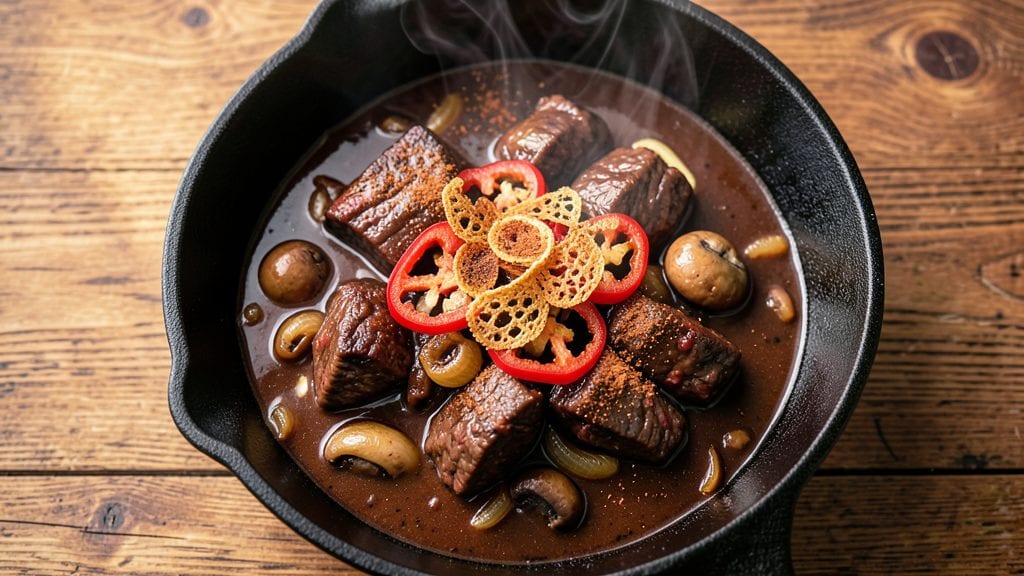
This chocolate stew recipe transforms a simple pot of comfort into a luxurious, spice-infused masterpiece that feels like a hug in every spoonful. The secret lies in balancing deep cocoa with aromatic spices like cinnamon and cayenne, creating a dish that’s both hearty and sophisticated.
I developed this version after years of experimenting with West African-inspired flavors, where chocolate and chili often share the spotlight in stews.
The beauty of this recipe is its versatility—it works with chicken, beef, or even hearty tofu for a plant-based twist. A slow simmer lets the flavors meld into a rich, velvety broth that coats tender protein and tender vegetables.
The cocoa powder adds depth without overpowering, while spices like ginger and nutmeg create warmth that lingers long after the last bite.
What you’ll end up with is a deep, rich stew that’s perfect for chilly evenings or special gatherings. The texture is velvety yet hearty, with chunks of protein and vegetables swimming in a sauce that’s both comforting and complex.
It’s the kind of dish that makes you want to linger at the table, savoring every spoonful.
Serve it with crusty bread to soak up every last drop or pair it with steamed rice for a satisfying meal. The recipe scales easily, so you can feed a crowd or enjoy leftovers for days. Ready to create this flavorful masterpiece? Let’s get started.
Ingredients for chocolate stew
Sixteen ingredients for a stew that tastes like a warm hug—rich cocoa, smoky spices, and tender protein.
| Ingredient | Amount | Notes |
|---|---|---|
| Unsalted Butter 🧈 | ½ cup | Cold, cut into cubes (the good stuff, not margarine) |
| Yellow Onion 🧅 | 1 ½ cups | Diced small (about 2 medium onions) |
| Garlic Cloves 🧄 | 6 cloves | Minced (or 2 tsp garlic powder in pinch) |
| Dried Chili Peppers 🌶️ | 2 pieces | Arbol or ancho (seeds removed for less heat) |
| Unsweetened Cocoa Powder 🍫 | ½ cup | High-quality, Dutch-process preferred |
| Ground Cinnamon 🌿 | 1 tbsp | Freshly ground for best aroma |
| Ground Ginger 🌿 | 1 tsp | Freshly grated works too |
| Ground Nutmeg 🌿 | ½ tsp | Freshly grated nutmeg preferred |
| Cayenne Pepper 🔥 | ¼ tsp | Adjust for heat preference |
| Chicken or Beef Broth 💧 | 3 cups | Low-sodium preferred (or homemade) |
| Dark Brown Sugar 🍚 | ¼ cup | Packed (light brown works too) |
| Chicken Breast 🍗 | 1 ½ lb | Cut into 1-inch cubes (or sub beef/tofu) |
| Sweet Potato 🍠 | 1 ½ lb | Peeled, cut into 1-inch cubes (or sub carrots) |
| Russet Potatoes 🥔 | 1 lb | Peeled, cut into 1-inch cubes (or sub yams) |
| Chicken Breast or Tofu 🥜 | 1 lb | For plant-based option (extra-firm tofu) |
| Salt 🧂 | 1 ½ tsp | Kosher or sea salt (adjust to taste) |
| Black Pepper 🌶️ | ½ tsp | Freshly ground for best flavor |
The cocoa powder is non-negotiable here. Valrhona or Guittard are my go-tos—they’ve got that deep, complex flavor that makes this stew sing. If you’re using Dutch-processed (like most store brands), add a pinch of baking soda to the broth to balance the acidity. For the chili peppers, arbol or ancho from a Latin market adds smoky depth, but dried jalapeños work in a pinch. The sweet potatoes? Orange-fleshed varieties like garnet keep their color and texture better than white sweet potatoes. If you can’t find them, regular russet potatoes work fine—they’ll just be less vibrant.
No cocoa powder? Melted dark chocolate (70% or higher) works in a bind, but it’ll make the stew thicker and richer. Short on ginger or nutmeg? Fresh galangal or cardamom can add a different but equally exciting layer. Using tofu? Press and cube it first—it absorbs flavors better. The broth matters too: homemade or high-quality low-sodium gives the best flavor. If you’re using beef broth, simmer it with a bay leaf and a splash of balsamic for extra depth. And trust me on the butter—don’t skip the cold cubes. They melt slowly and add incredible richness to the sauce.
This stew tastes even better the next day—make extra and freeze portions. It keeps for 4-5 days in the fridge, or 3 months frozen. For freezing, cool it completely first, then portion into airtight containers. The tofu or chicken will soften further when reheated, so it’s perfect for leftovers. Serve with crusty bread or over rice to soak up every last bit of that velvety sauce. If you’re prepping ahead, store the protein and veggies separately until you’re ready to cook—it keeps them fresher longer.
Why You'll Love This Recipe
- Here’s what sold me: that cocoa powder and butter combo delivers actual chocolate depth without needing syrup or chocolate bars. The dried chilies add heat that lingers, but it’s the slow caramelized onions that make it taste like a dessert you didn’t know you needed.
- I’ll be real: this tastes better the next day. The flavors meld into something even more complex, and it reheats like a dream. Plus, it stretches thin if you’re feeding a crowd, so you’re not left with half a pot of sad, watery stew.
Step-by-step instructions for deep, rich cocoa and spiced comfort
Here's how to create a hearty, warming chocolate stew that balances rich cocoa with savory spices.
Sauté the Aromatics Until Fragrant
Melt the 0.5 cup unsalted butter in a large Dutch oven over medium heat. Once melted, add the 1.5 cups diced yellow onion and cook for 5-6 minutes until softened and translucent. You'll smell the onions caramelizing slightly—that's your cue to add the 6 cloves minced garlic and 2 pieces dried chili peppers (seeds removed). Cook for another 1-2 minutes until the garlic is golden and the chili peppers are slightly darkened.
Here's the thing—don't rush this step. The deeper the color of your aromatics, the more complex your stew's flavor will be. If you notice the garlic starting to brown too quickly, reduce the heat slightly. You want those aromatics to develop their full potential before moving forward.
Add Spices and Build the Chocolate Base
Stir in the 0.5 cup unsweetened cocoa powder, 1 tablespoon ground cinnamon, 1 teaspoon ground ginger, 0.5 teaspoon ground nutmeg, and 0.25 teaspoon cayenne pepper. Cook for 1 full minute, stirring constantly, until the spices are fully incorporated and the mixture smells rich and aromatic. This is where the magic happens—the spices bloom and release their full flavor potential.
Next, sprinkle in the 0.25 cup dark brown sugar and stir until evenly distributed. The sugar will help balance the bitterness of the cocoa while adding a subtle caramel note. Pour in the 3 cups chicken or beef broth, scraping up any browned bits from the bottom of the pot—those bits are packed with flavor. Bring the mixture to a gentle simmer, letting it cook for 5 minutes to allow the spices to meld together.
Add the Protein and Potatoes
Cut the 1.5 lb chicken breast into 1-inch cubes (or use 1 lb extra-firm tofu if preferred) and add them to the pot along with the 1.5 lb sweet potato and 1 lb russet potatoes, both cut into 1-inch cubes. Stir gently to coat the potatoes and chicken in the spiced broth. The potatoes should be fully submerged—if not, add a splash of water or broth to ensure even cooking.
Bring the stew back to a simmer and let it cook uncovered for 20-25 minutes, stirring occasionally. You'll notice the potatoes softening and the chicken (or tofu) becoming opaque. The stew should thicken slightly as it simmers, creating a rich, velvety consistency. Taste the broth—this is your checkpoint. If it needs more depth, add a pinch more salt or a splash of broth.
Season and Simmer to Perfection
Add the 1.5 teaspoons salt and 0.5 teaspoon black pepper, stirring well to distribute evenly. Let the stew simmer for another 15-20 minutes until the potatoes are fork-tender and the chicken (or tofu) is fully cooked through. The chicken should reach an internal temperature of 165°F, and the potatoes should be easily pierced with a fork.
Here's where you decide if your stew needs a little extra richness. If it feels too thick, stir in a splash of broth or water to loosen it. If it's too thin, let it simmer uncovered for another 5 minutes to reduce slightly. The perfect consistency should coat the back of a spoon but still be light enough to spoon over rice or crusty bread.
Rest and Serve with Warmth
Once the stew is fully cooked, remove it from heat and let it rest for 5-10 minutes. This resting period allows the flavors to meld together and the stew to thicken slightly as it cools. Taste and adjust the seasoning one last time—you might find it needs a little more salt or a pinch of cayenne for heat.
Serve the stew hot, ladled over steamed rice, crusty bread, or mashed potatoes. The contrast of the warm, spiced chocolate stew with a cool, buttery bread or creamy potatoes makes this dish truly comforting. Each bite should deliver a perfect balance of rich cocoa, savory spices, and tender protein—exactly what you'd expect from a dish designed to bring warmth and comfort to your table.
Pro Tips For Making Chocolate Stew
- Bloom the Cocoa: Whisk the cocoa powder into the warm butter first—before adding liquid. I used to dump it in all at once and end up with clumps, no matter how much I stirred later. A quick 30-second bloom with the butter makes the flavor richer and smoother, and you won’t waste energy fixing lumps mid-stir.
- Sweat Onions Low: Keep the onions cooking on medium-low until they’re translucent, not golden. I learned this the hard way—rushing them burns the butter and turns the stew bitter. A slow, steady sweat (about 8-10 minutes) builds flavor without overcooking.
- Toast the Chili: Dry-toast the dried chili peppers in a separate pan for 30 seconds before grinding or adding. This deepens their heat and aroma—like the difference between a sipped coffee and a brewed one. Skip this, and your stew tastes like dusted spices instead of real fire.
- Deglaze with Wine: Swap water for a splash of red wine (or even broth) when deglazing the pan after onions and garlic. The alcohol burns off, but it pulls out caramelized bits that water ignores. If you’re avoiding alcohol, use an extra tablespoon of butter—it’s the lazy upgrade I use when I’m in a hurry.
Essential equipment for great chocolate stew
Dutch Oven Essentials
A 6-quart Dutch oven is my non-negotiable choice for this stew—it distributes heat evenly and handles the long simmer beautifully. I swear by the Le Creuset signature line for its durable enamel coating, but the Lodge cast iron is a budget-friendly alternative that develops a natural non-stick patina over time.
The deep sides prevent spills when stirring, and the tight-fitting lid traps moisture for perfect texture. 🔥
Precision Thermometer
For the protein, I use a Thermoworks ThermoPop to monitor internal temps—critical for chicken reaching 165°F and tofu achieving 160°F. The probe's slim design fits perfectly in the stew pot without disturbing ingredients.
A good thermometer prevents overcooking while ensuring safety, especially when working with multiple proteins or veggies that cook at different rates.
Spice Grinders Matter
Freshly ground spices make all the difference in this recipe. My Penzeys Spice Grinder handles whole spices like cinnamon sticks and nutmeg pods beautifully, delivering maximum aroma. For pre-ground spices, I recommend McCormick Gourmet Collection—their cinnamon and ginger have consistent quality.
The difference between fresh and pre-ground spices is noticeable in the final depth of flavor, especially in a rich cocoa-based dish.
Wooden Spoons for Stirring
A heat-resistant wooden spoon (I use OXO Good Grips) is essential for stirring the stew without scratching the Dutch oven's surface. Wood distributes heat better than metal and won't react with acidic ingredients.
The long handle keeps your fingers safe from the simmering pot, and the ergonomic design makes long stirring sessions comfortable. Avoid plastic—it can melt or warp over time.
Fine-Mesh Strainer
For straining broth or puréeing ingredients, my OXO Good Grips collapsible strainer is a game-changer. It handles the broth's thickness better than standard strainers and collapses flat for easy storage.
If you're using tofu, this strainer helps remove excess water before adding it to the stew. For a budget option, the Hamilton Beach 47520 works well for basic straining tasks.
Measuring Tools
Precision matters with spices and cocoa. My OXO Stainless Steel Measuring Spoons have clear markings for accurate measurements, and the OXO Good Grips Measuring Cups have ergonomic handles for easy pouring.
For cocoa powder, I use a small digital scale (like the OXO Good Grips Kitchen Scale) to measure by weight—it ensures consistency, especially when substituting melted chocolate. A kitchen scale is worth the investment for recipes where exact measurements impact flavor balance.
Nutrition facts
Frequently asked questions
Can I make this stew without cocoa powder?
You can substitute with ½ cup melted dark chocolate (70% or higher), but the texture will be richer and thicker. For a closer match, use ½ cup chocolate sauce (like Hershey's) mixed with 1 tablespoon cornstarch to thicken. The flavor will be sweeter, so reduce the brown sugar to 2 tablespoons instead.
How do I adjust the heat level?
For milder heat, reduce the cayenne to ¼ teaspoon or omit it entirely. For spicier stew, add ½ teaspoon smoked paprika or 1 extra dried chili pepper. If using fresh chili, start with ½ teaspoon minced jalapeño and adjust to taste.
Can I use this recipe for a vegetarian version?
Replace the chicken with 1 lb extra-firm tofu (pressed and cubed) or 1 lb mushrooms (like portobello or cremini). For extra heartiness, add 1 can white beans (drained) or 1 cup lentils. The tofu absorbs flavors beautifully—just simmer it 5 minutes longer for maximum tenderness.
Why does my stew taste bitter?
Bitter flavor usually comes from overcooking the cocoa or using low-quality cocoa powder. Use Dutch-process cocoa (like Hershey's Special Dark) and cook it only until fragrant (1 minute). Balance bitterness by adding ½ teaspoon vanilla extract or a pinch of salt. If the stew is too thick, thin it with broth or water to dilute the cocoa's intensity.
How long can I store leftovers?
Store leftovers in an airtight container in the fridge for 4-5 days or freeze for 3 months. To reheat, warm on the stove over medium-low heat until bubbling, stirring occasionally. The flavors deepen overnight, so it often tastes even better the second day! For freezing, cool completely first to prevent condensation.