Desserts
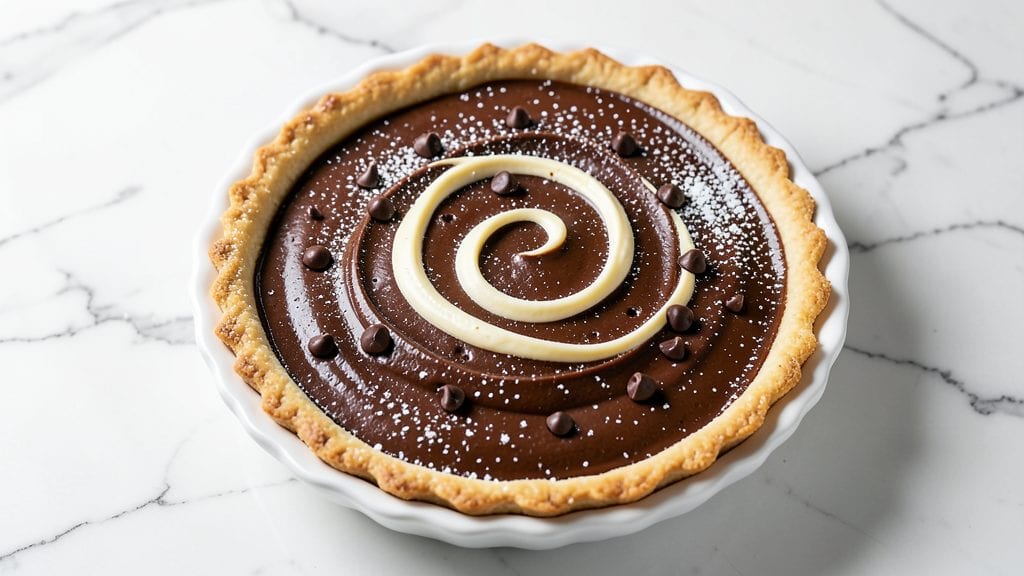
Betty Crocker's chocolate cream pie recipe delivers that signature silky-smooth filling and sturdy crust without the dreaded cracking. This classic dessert has been a kitchen staple for generations, and I’ve refined the technique to ensure a foolproof result every time.
The secret lies in a properly baked crust and a custard-based filling that sets just right—no soggy bottoms or grainy textures here.
What makes this recipe special is the balance between simplicity and precision. You’ll start with a reliable pie crust, then prepare a rich chocolate custard that’s both velvety and stable. The key steps—like tempering the eggs and chilling the filling—prevent common pitfalls like cracking or weeping.
With just 45 minutes of active prep and 1 hour of baking/chilling, you’ll have a showstopping dessert that tastes like a bakery favorite.
By the time you serve it, you’ll have perfectly golden crust edges, a smooth chocolate layer that holds its shape, and a creamy top layer that’s rich but not overly sweet. The contrast between the crisp crust and velvety filling is what makes this pie unforgettable.
This is the kind of dessert that earns compliments and disappears quickly—ideal for holidays, potlucks, or just treating yourself.
Once assembled, let the pie chill for at least 4 hours (overnight is even better) to allow flavors to meld and the filling to set properly. Optional whipped cream or chocolate shavings add the finishing touch, but the pie stands strong on its own. Ready to master this timeless classic?
Ingredients for betty crocker chocolate cream pie
Classic pie crust meets velvety chocolate custard—just 14 ingredients for bakery-quality perfection.
| Ingredient | Amount | Notes |
|---|---|---|
| Unsalted Butter 🧈 | 1 cup | Cold, cubed for crust |
| All-Purpose Flour 🌾 | 2 ½ cups | Sifted for light crust |
| Granulated Sugar 🍚 | ¼ cup | For crust sweetness |
| Large Eggs 🥚 | 1 whole | Cold, for crust binding |
| Ice Water 💧 | ½ cup | Chilled for dough handling |
| Semi-Sweet Chocolate Chips 🍫 | 1 ½ cups | High-quality, 60% cacao |
| Whole Milk 🥛 | 2 cups | Full-fat for richness |
| Large Egg Yolks 🥚 | 4 whole | Fresh, pasteurized if preferred |
| Granulated Sugar 🍚 | ¾ cup | For custard sweetness |
| Cornstarch 🌽 | ¼ cup | For custard stability |
| Vanilla Extract 🌸 | 1 tbsp | Pure, high-quality |
| Salt 🧂 | ½ tsp | Fine sea salt |
| Heavy Whipping Cream 🥛 | 1 cup | Cold, for topping |
| Powdered Sugar 🍚 | ¼ cup | For cream sweetness |
The pie crust demands precision: cold butter (straight from the fridge) and sifted flour prevent toughness. For optimal texture, use King Arthur or Gold Medal flour—their protein content ensures a tender yet sturdy crust. Butter should be cubed, not melted, and ice water keeps the dough pliable. Chill the dough for at least 1 hour before rolling; this prevents shrinking during baking. Betty Crocker's original recipe relied on these exact techniques, and modern bakers still swear by them for foolproof results. For extra insurance, blind-bake the crust at 375°F for 15 minutes before adding the filling—this prevents sogginess.
Substitutions require finesse: dark chocolate (70% cacao) can replace semi-sweet chips at a 1:1 ratio, though the flavor profile shifts slightly. Whole milk is non-negotiable for the custard—2% or skim creates a thinner texture prone to weeping. Egg yolks must be fresh; older yolks yield a grainier filling. Cornstarch can be swapped for arrowroot powder at the same weight, though custard stability may vary. For a dairy-free option, use full-fat coconut milk (reduce by 0.25 cup) and flax eggs (1 tbsp ground flax + 3 tbsp water per egg). Vanilla bean paste adds depth if extract isn’t available, but imitation vanilla should be avoided—it lacks the necessary compounds for authentic flavor.
Proper storage extends freshness: Assembled pie keeps 3 days refrigerated, though texture softens after 24 hours. For longer storage, freeze the baked pie (without toppings) for up to 3 months—thaw overnight in the fridge. Whipped cream should be added just before serving to maintain its airy texture. Chocolate shavings (from a microplane) elevate presentation but aren’t essential. Reheating is discouraged—this pie is best served chilled. If cracks appear during chilling, cover with whipped cream to mask imperfections; the filling’s quality will still shine through.
Why You'll Love This Recipe
- No-Fuss Crust: I swear, the crust only needs butter, flour, sugar, and ice water—no fancy ratios to stress over. Cut the butter into the flour until it looks like coarse sand, then add ice water one tablespoon at a time until it just holds together. Honestly, it’s the kind of crust that forgives mistakes (I’ve dropped dough more times than I’ll admit).
- Rich Without Effort: That first bite of chocolate custard? Pure velvet. The eggs and sugar create this silky, melt-in-your-mouth filling, while the crust stays buttery and sturdy. Here’s what sold me—the filling’s so good, you won’t even miss the extra whipped cream topping (though I still add it).
- Party-Proof Dessert: This pie handles crowds like a champ. Make it ahead, chill it overnight, and slice it when guests arrive—no last-minute stress. Between us, I’ve served it at birthday parties, holiday dinners, and even as a "just because" treat for my book club. It’s the dessert that shuts down arguments.
- Leftovers That Taste Better: Yes, even on a Tuesday night. The crust stays crisp, the filling stays creamy, and the chocolate flavor only gets deeper after a day in the fridge. I’ll be real: I’ve reheated slices in the microwave (shhh, don’t tell) and they’re still crave-worthy. Budget-friendly? Absolutely. Reliable? Even more so.
Step-by-step instructions for betty Crocker chocolate cream pie
A perfect pie requires precision—here's how to build flawless layers that stay silky smooth and crack-free.
Prepare the Crust with Cold Ingredients
In a large bowl, combine the 1 cup unsalted butter (cold, cubed) and 2.5 cups all-purpose flour using a pastry cutter or two forks until the mixture resembles coarse crumbs with pea-sized butter pieces. This texture is crucial—it ensures a tender crust that won't become tough during baking.
Add the 0.25 cup granulated sugar and 0.5 tsp salt, then sprinkle in the 1 whole large egg (cold). Gently mix with a fork until the dough just comes together. Add the 0.5 cup ice water, 1 tablespoon at a time, mixing lightly until the dough holds when pressed. Avoid overworking—the gluten will develop and make the crust dense.
Shape the dough into a disk, wrap tightly in plastic, and refrigerate for at least 1 hour (or up to 2 days). This chilling step is non-negotiable—it prevents the crust from shrinking during baking and ensures even cooking. When ready, roll out the dough on a floured surface to fit a 9-inch pie plate, leaving a 1-inch overhang. Transfer to the plate and trim the edges, creating a clean border.
Blind-Bake the Crust for Structure
Preheat your oven to 375°F. Line the chilled crust with parchment paper, then fill it completely with pie weights or dried beans. Bake for 15 minutes, then remove the weights and bake for another 10 minutes until the edges are light golden brown and the base is set but not colored. This step prevents a soggy bottom and gives the crust structural integrity.
I press down gently on the crust edges with a fork during the first 5 minutes to prevent puffing. The crust should support the filling without collapsing when the hot custard is poured in later. If the edges brown too quickly, cover them loosely with aluminum foil during baking.
Remove the crust from the oven and let it cool for 10 minutes before filling. The residual heat helps set the custard immediately, reducing the risk of cracking. Keep the oven on at 375°F—you'll use it again for the custard.
Melt Chocolate and Prepare the Custard Base
In a medium saucepan, combine the 2 cups whole milk, 1.5 cups semi-sweet chocolate chips, and 0.25 cup cornstarch. Heat over medium heat, stirring constantly with a whisk, until the chocolate melts completely and the mixture thickens to a pudding-like consistency (about 5 minutes). This should coat the back of a spoon when you run a finger through it.
Remove the pan from heat and stir in the 4 whole large egg yolks, 0.75 cup granulated sugar, 1 tbsp vanilla extract, and 0.5 tsp salt. Whisk vigorously for 1 minute to fully incorporate the yolks—this prevents scrambled eggs in your pie. The mixture should be smooth and glossy, with no visible streaks of raw egg.
Return the pan to low heat and cook for 3-5 minutes, stirring constantly, until the custard thickens enough to coat the whisk. It should leave a clear path when you drag the whisk through it. Immediately pour the custard through a fine-mesh strainer into a bowl, pressing on the solids with a spatula to extract every bit of thickened mixture. This ensures a silky texture without graininess.
Assemble and Bake the Filling
Pour the strained custard into the pre-baked crust, spreading it evenly with a spatula. The filling should reach about ¼ inch from the top edge—this prevents overflow during baking. Place the pie on the 375°F oven rack (not on the bottom) to ensure even heat distribution. Bake for 20-25 minutes until the custard is set but still slightly jiggly in the center.
Here's the trick to prevent cracking: Open the oven door slightly during the last 2 minutes of baking to allow steam to escape gradually. This controlled cooling helps the custard set evenly. Remove the pie from the oven and let it cool to room temperature on a wire rack—at least 2 hours—before refrigerating. Patience here is key; rushing this step guarantees cracks.
Whip the Topping and Finish
While the pie cools, whip the 1 cup heavy whipping cream (cold) with the 0.25 cup powdered sugar until soft peaks form. Fold in 1 tbsp vanilla extract and spread the cream evenly over the chilled custard. The contrast between the warm custard and cold cream creates a perfect textural finish.
Refrigerate the pie for at least 4 hours (or overnight) before serving. This resting period allows the flavors to meld and the custard to firm up. When ready to serve, run a knife around the edge to loosen it from the plate. The result should be a pie with a crisp, golden crust, a velvety chocolate custard, and a light, airy cream topping—no cracks in sight.
Pro Tips For Making Betty Crocker Chocolate Cream Pie
- CHILL THE BUTTER FIRST: Betty Crocker’s recipe calls for cold butter in the crust, but I’ve learned the hard way—room temp butter means a greasy, crumbly mess. Cut that butter into ¼-inch cubes and refrigerate for 30 minutes before mixing. The dough will hold together like it’s supposed to, and you won’t end up with a sad, oily disaster.
- WEIGH THE FLOUR: Scooping flour from the bag into measuring cups packs it down, and that’s how you end up with a dense, heavy crust. Use a kitchen scale instead—1 cup of all-purpose flour should weigh about 125 grams. No scale? Spoon the flour into the cup, then level it off with a knife. Trust me, your crust will thank you.
- DON’T OVERMIX THE FILLING: The chocolate cream filling is where people go wrong. Once you’ve whisked the eggs, sugar, and melted chocolate together, stop stirring the second it’s smooth. Overmixing introduces air, and that’s how you get a filling that’s more foam than creamy goodness. A quick, gentle mix is all you need—then let the heat do the work.
- USE CORN SYRUP INSTEAD OF WATER: The recipe likely calls for water to thin the filling, but corn syrup (2 tablespoons) makes a real difference. It adds body and prevents the filling from separating when it cools. Plus, it gives that classic, slightly glossy finish—like the kind you’d expect from a bakery, not a home kitchen. (Yes, even if you’re impatient like me.)
Wine and beer pairings for this betty crocker chocolate cream pie
Rich Chocolate Pairings
For this decadent pie, I recommend a bold red wine like Cabernet Sauvignon—its dark fruit notes complement the chocolate's intensity without overpowering it. A Napa Valley Cab with 2018 vintage (or newer) offers smooth tannins that cut through the richness.
If you prefer something lighter, Pinot Noir from Oregon provides a silky texture and berry flavors that harmonize beautifully with the custard. 🍷
Creamy Dessert Wines
Sweet wines elevate the pie's chocolate depth. Port wine, particularly a Ruby Port, is a classic choice—its caramel and berry undertones mirror the pie's flavors.
For a lighter option, Moscato d'Asti (Italian sparkling wine) adds effervescence and a touch of sweetness that cleanses the palate. Serve both at 55-60°F for optimal balance.
Coffee Liqueur Twist
If wine isn't your thing, try pairing with Kahlúa or Tia Maria—add 1 oz to a glass of dark rum or espresso for a boozy dessert cocktail.
The coffee's bitterness enhances the chocolate's depth, while the alcohol's warmth contrasts the pie's cool custard. Garnish with a sprinkle of cocoa powder for visual appeal. ☕
Beer Pairing Secrets
A Belgian-style dubbel like Westmalle Dubbel offers malty sweetness and spiced notes that complement the pie's chocolate and vanilla. For a lighter option, amber ale (like Fat Tire) provides a caramel backbone that bridges the pie's sweet and savory elements.
Chill your beer to 45°F to balance the pie's richness without numbing your palate. 🍺
Non-Alcoholic Options
For a refreshing non-alcoholic pairing, try chocolate milk made with whole milk and a splash of vanilla extract. The creaminess mirrors the pie's texture, while the chocolate intensifies the dessert's flavor profile.
For a sophisticated touch, serve sparkling water with a squeeze of orange—the citrus cuts through the sweetness and refreshes the palate.
Nutrition facts
Frequently asked questions
Why does my chocolate cream pie filling crack?
Cracking happens when the custard sets too quickly or cools unevenly. To prevent this, bake the filling at 375°F for 20-25 minutes until just set (slightly jiggly center), then crack the oven door for the last 2 minutes to release steam gradually. Always chill the pie for at least 4 hours before serving—rushing this step guarantees cracks.
Can I make this pie without a pie crust?
For a no-crust version, pour the custard into a 9-inch springform pan and bake as directed. After chilling, top with whipped cream and serve directly from the pan. The custard will hold its shape like a mousse—just ensure it’s fully set before refrigerating. This works especially well for individual servings in ramekins.
How do I store leftover chocolate cream pie?
Store the pie in an airtight container in the fridge for up to 3 days. For longer storage, freeze the baked pie (without toppings) for up to 3 months. Thaw overnight in the fridge—never at room temperature. Add whipped cream fresh before serving to maintain its texture. The custard may soften slightly after refrigeration but remains delicious.
What’s the best way to reheat slices?
Reheating isn’t recommended—this pie is best served chilled. However, if needed, warm slices at 350°F for 8-10 minutes until the edges soften. Microwaving (30-second intervals) works too, but expect a slightly grainier texture. For optimal results, enjoy the pie straight from the fridge for that signature creamy texture.
Can I substitute dark chocolate for semi-sweet chips?
Yes, but adjust the ratio: use 70% cacao dark chocolate at a 1:1 substitution. The higher cacao content intensifies bitterness, so reduce sugar slightly (by 1 tbsp) if desired. For milk chocolate, use 34-36% cacao and add 1 tbsp extra sugar to balance the milder flavor. Always melt chocolate gently to avoid burning.