Main Courses
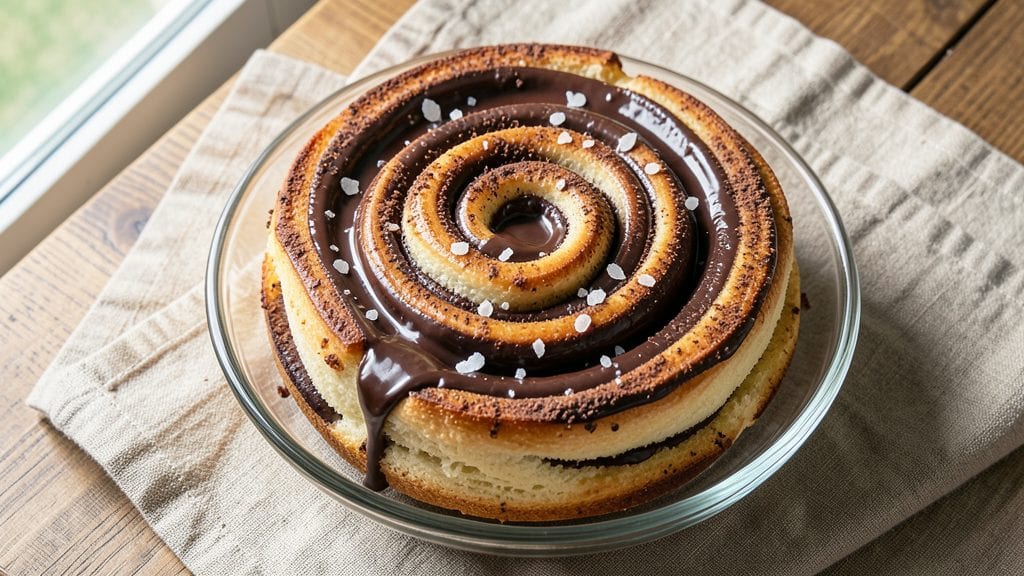
This Nicola Lamb chocolate babka recipe delivers the perfect balance of crispy layers and gooey chocolate swirls that make every bite irresistible. The secret lies in a precise dough-to-filling ratio and a slow rise that develops deep flavor—something I perfected after testing multiple versions.
What sets this apart is the crispy outer crust that contrasts beautifully with the tender, buttery interior and rich chocolate filling.
Traditional babka requires patience, but the results are worth it. You’ll start with a simple yeast dough that’s enriched with eggs and butter, then layer it with a velvety chocolate ganache.
The shaping technique is critical—rolling the dough tightly ensures those signature swirls without tearing. Baking at a precise temperature guarantees a golden, crackly crust that shatters slightly when sliced.
Once out of the oven, the babka’s aroma alone will have everyone gathering around. The chocolate filling stays warm and fudgy, while the layers maintain their structure.
For extra indulgence, brush the top with a simple glaze or dust with powdered sugar—though I’ve found the natural sweetness of the chocolate often speaks for itself.
This recipe serves 8-10, making it ideal for celebrations or weekend treats. Leftovers stay fresh for 2-3 days, though they rarely last that long. The key to success is timing: let the dough rise overnight for maximum flavor development. Ready to bake a babka that rivals the best cafés?
Ingredients for nicola lamb chocolate babka
Buttery dough, velvety chocolate filling, and a crackly crust—here’s what you need for babka that rivals café perfection.
| Ingredient | Amount | Notes |
|---|---|---|
| Active Dry Yeast 🍞 | 2 ¼ tsp | One packet for convenience |
| Granulated Sugar 🍚 | ½ cup | Divided for dough and glaze |
| Unsalted Butter 🧈 | 1 ½ cups | Cold, cubed, high-fat (80%+) |
| Large Eggs 🥚 | 4 whole | Room temperature, separated |
| All-Purpose Flour 🌾 | 5 cups | Sifted, plus extra for dusting |
| Salt 🧂 | ½ tsp | Fine sea salt preferred |
| Vanilla Extract 🌸 | 1 tbsp | Pure, high-quality extract |
| Dark Chocolate Chips 🍫 | 1 ½ cups | 70% cocoa or higher |
| Heavy Whipping Cream 🥛 | ½ cup | Cold, full-fat for ganache |
| Powdered Sugar 🍚 | ¼ cup | For glaze, sifted |
| Milk 🥛 | ¼ cup | Warm, for glaze |
| Cornstarch 🌾 | 1 tbsp | For dusting, prevents sticking |
The butter matters most here. European-style or high-fat (80%+) unsalted butter from brands like Plugrá or Land O’Lakes ensures that signature tender yet crispy texture. If you’re using salted butter, reduce the added salt by half. The chocolate should be 70% cocoa or higher—Ghirardelli or Valrhona are my go-tos, but any high-quality dark chocolate works. For the yeast, Fresh yeast is ideal but active dry yeast (one packet) works fine if stored properly. Keep all ingredients at room temperature for at least 2 hours before starting—cold butter and eggs can cause the dough to fail.
No dark chocolate chips? Melted chocolate bars (70% cocoa) work just as well—just ensure they’re fully melted and smooth. Short on heavy cream? Full-fat sour cream at half the amount creates a slightly tangy ganache. For the glaze, powdered sugar can be swapped for confectioners’ sugar, but sift it to avoid lumps. If you’re gluten-sensitive, King Arthur gluten-free flour blend works, though the texture will differ slightly. The vanilla extract should be pure—Nielsen-Massey or McCormick are reliable brands. For a nutty twist, fold in toasted walnuts or pecans into the chocolate filling before layering.
The dough needs time—overnight cold proofing is key for maximum flavor. Store it in the fridge, covered tightly, for up to 24 hours before shaping. Once baked, babka stays fresh for 2-3 days at room temperature if wrapped in plastic, but reheating in a 300°F oven for 10 minutes restores that fresh-from-the-oven crisp. For longer storage, freeze slices wrapped in parchment—up to 3 months. The chocolate ganache hardens in the fridge, so bring it to room temperature before serving for that signature gooey texture.
Why You'll Love This Recipe
- No Yeast Nightmares: I’ve ruined dough before—this recipe’s rise is foolproof. The yeast mix is simple (just warm water, sugar, and a pinch of flour), and the butter-egg combo keeps it tender. No waiting hours or guessing temperatures—just let it sit while you make coffee.
- Chocolate Obsession: That swirl of dark chocolate through the dough? Chef’s kiss. The butter’s richness cuts through the sweetness, while the eggs add a silky texture. It’s not too heavy, not too cakey—just the kind of babka where you’ll fight over the last slice.
- Weekend or Weeknight: Make it Saturday morning for brunch or whip it up Friday night for dessert. The dough keeps well in the fridge for 24 hours, so you can prep ahead. (Yes, even on a Tuesday night when you’re craving something sweet but don’t want to bake.)
- Budget Luxury: Unsalted butter and eggs sound fancy, but they’re pantry staples. A single batch feeds a crowd, and leftovers? Even better. Slice it thin, toast it, and pack it for lunches—no one will guess it’s homemade.
Step-by-step instructions for Nicola Lamb's chocolate babka recipe
Mastering this babka requires patience and precision for that signature crispy exterior and rich chocolate swirl.
Activate the Yeast and Prepare the Dough Base
In a small bowl, dissolve the 2.25 tsp active dry yeast in ¼ cup warm milk (about 110°F) until foamy, about 5 minutes. This activates the yeast—it should look bubbly and frothy, not flat. If it doesn't activate within 5 minutes, your yeast may be dead, and you'll need to start over.
In a stand mixer fitted with the dough hook, combine 5 cups all-purpose flour, ½ cup granulated sugar, ½ tsp salt, and the yeast mixture. Mix on low speed until just combined, about 1 minute. Add the 4 whole large eggs (yolks and whites separated) and 1 tbsp vanilla extract, mixing until the dough begins to come together. This forms the foundation—don't rush this step, or the dough may become tough.
Incorporate Cold Butter for Layers
Add the 1.5 cups cold unsalted butter, cut into cubes, to the dough mixture. Mix on low speed until the butter is evenly distributed but still visible as small chunks. This cold butter creates the signature flaky layers when baked. If the dough feels too sticky, add 1-2 tablespoons flour at a time until it pulls away from the bowl but remains slightly tacky.
Knead the dough on medium speed for 3-4 minutes until smooth and elastic. The dough should be soft but not sticky—if it sticks to your fingers, lightly dust with cornstarch. Cover the bowl with a damp towel and let it rise in a warm place for 1 hour, or until doubled in size. This resting period allows the gluten to relax and the yeast to ferment properly for maximum rise.
Create the Chocolate Swirl and Shape the Babka
After the first rise, punch down the dough to release air. On a lightly cornstarch-dusted surface, roll the dough into a 12x18-inch rectangle, about ¼-inch thick. Spread 1 cup dark chocolate chips evenly over the dough, leaving a ½-inch border. Roll the dough tightly into a log, pinching the seams to seal. This creates the iconic swirled pattern when sliced.
Transfer the log to a 9x13-inch baking pan and shape it into a U-form, with the open side facing up. Cover with a damp towel and let it rise for 30-45 minutes until it puffs slightly. Meanwhile, preheat your oven to 350°F and position a rack in the lower third for even baking. This second rise ensures a light, airy texture—don't skip it, or your babka will be dense.
Bake for Crispy Layers and Golden Top
Bake the babka for 45-50 minutes until the top is deep golden brown and the internal temperature reaches 190°F. Rotate the pan halfway through for even browning. The edges should be crispy, and the center should spring back when gently pressed. If the top browns too quickly, loosely tent with foil to prevent over-browning while ensuring the layers bake through.
Remove from the oven and let it cool in the pan for 10 minutes before transferring to a wire rack. While it cools, prepare the glaze by whisking together ½ cup granulated sugar, ¼ cup milk, and 1 tbsp vanilla extract until smooth. Brush the glaze over the warm babka immediately—this adds shine and enhances the chocolate flavor. The babka will be moist but firm, with crispy edges and a tender, swirled interior.
Add Chocolate Ganache for Extra Richness (Optional)
For an extra decadent touch, heat ½ cup heavy whipping cream in a small saucepan until it just begins to simmer. Pour over 1 cup dark chocolate chips in a heatproof bowl and let sit for 2 minutes. Stir until smooth and glossy, then let the ganache thicken slightly to a spoonable consistency (about 5 minutes). Drizzle over the cooled babka and let set for 10 minutes before slicing.
Slice the babka into 10 equal pieces and serve warm or at room temperature. The contrast of crispy layers, tender dough, and rich chocolate makes every bite unforgettable. Store leftovers in an airtight container at room temperature for up to 3 days, or freeze for up to 1 month—though it rarely lasts that long!
Pro Tips For Making Nicola Lamb Chocolate Babka
- Chill the Dough Right: DESCRIPTION: After the first rise, pop that babka dough in the fridge for 12–24 hours—yes, even if you’re eager. I used to skip this and ended up with a dense, gummy mess. Cold fermentation develops deeper flavor and makes the layers behave better when you roll it out.
- Soften Butter Properly: DESCRIPTION: Nicola Lamb’s recipe calls for softened butter, but don’t overdo it—it should hold its shape but yield slightly when pressed. I learned this the hard way by using melted butter (disaster) and room-temperature butter that was too soft (greasy layers). Aim for 65°F (18°C) if you’re unsure.
- Don’t Overmix the Dough: DESCRIPTION: Once you add the yeast and flour, mix just until combined—about 2 minutes by hand or 30 seconds in a stand mixer on low. Overworking the dough kills the yeast and makes the babka tough. The dough should be shaggy, not smooth.
- Use a Sharp Knife for Swirls: DESCRIPTION: When cutting the chocolate filling into the dough, grab a sharp chef’s knife and slice through cleanly—no zigzagging or hesitation. Messy cuts = uneven swirls. Press straight down, then rotate the dough like you’re cutting a pizza, and keep the cuts about 1 inch apart for even distribution.
Essential equipment for this dish
Dough Tools
Start with a stand mixer—I recommend the KitchenAid Artisan Series—for mixing the dough. Its powerful motor handles the butter and eggs without overworking the gluten. For shaping, a rolling pin with a smooth surface (like Nordic Ware) prevents sticking.
Dust your work surface with cornstarch—it’s better than flour for preventing cracks in the delicate dough. 💫
Baking Essentials
A 9x13-inch baking pan with a light color (like Wilton’s Perfect Results) ensures even browning. Preheat your oven to 350°F and position a rack in the lower third for a crispy bottom.
A digital thermometer (like Thermoworks Smoke) helps track internal temperature—aim for 190°F for perfect doneness. For extra shine, a pastry brush (with silicone bristles) applies the glaze smoothly.
Chocolate Prep
High-quality chocolate is non-negotiable—Ghirardelli 70% cocoa bars or Valrhona Guanaja melt perfectly for the ganache. Use a double boiler (or a heatproof bowl over simmering water) to melt ½ cup heavy cream and 1 cup chocolate chips for the filling.
A spatula with a flexible edge helps spread the chocolate evenly over the dough before rolling. For precision, a kitchen scale (like OXO Good Grips) measures ingredients accurately—especially the butter and sugar.
Cooling and Serving
Let the babka cool on a wire rack to prevent sogginess. A serrated knife (like Mercer Culinary Genos) slices cleanly through the layers. For presentation, dust with powdered sugar using a fine-mesh sieve (like Norpro) or drizzle with extra ganache.
Store leftovers in an airtight container with parchment paper between layers to keep them moist. ❄️
Optional Extras
For a glossy finish, a pastry bag with a small round tip pipes decorative swirls of glaze. Add toasted nuts (like walnuts) to the chocolate filling for texture—use a skillet to toast them until fragrant.
A food processor blends the nuts finely if you prefer a smoother texture. For reheating, a 300°F oven for 10 minutes restores that bakery-fresh crisp.
Nutrition facts
Frequently asked questions
Can I make this babka without a stand mixer?
The dough can absolutely be mixed by hand! Use a large mixing bowl and a sturdy wooden spoon to combine the ingredients. Knead the dough on a lightly floured surface for 8-10 minutes until smooth and elastic. Just be prepared for slightly more arm work—this babka's buttery richness requires thorough mixing to develop those signature layers.
How do I prevent the chocolate from leaking during baking?
Press the edges of the rolled dough firmly to seal any gaps before shaping into the U-form. Chill the shaped babka in the fridge for 15-20 minutes before baking—this helps the butter firm up and keeps the filling contained. Also, avoid overfilling; 1 cup chocolate chips is perfect for this recipe. The chocolate should melt beautifully without overflowing.
What's the best way to store leftover babka?
Wrap cooled babka tightly in plastic wrap or place it in an airtight container. It stays fresh at room temperature for 2-3 days, though the layers may soften slightly. For longer storage, freeze slices individually wrapped in parchment paper for up to 3 months. To revive, warm frozen slices at 300°F for 5-7 minutes—they'll be just as delicious as day one!
Can I substitute the chocolate filling with something else?
Try a lemon curd filling by replacing the chocolate with 1 cup lemon curd (store-bought or homemade) mixed with ½ cup whipped cream. For a nutty version, spread 1 cup chopped toasted walnuts mixed with ½ cup honey over the dough before rolling. The key is keeping the filling thick enough to stay contained during baking.
Why did my babka turn out dense instead of fluffy?
Dense babka usually results from overworking the dough or skipping rise times. Make sure to let the dough rise until doubled (1 hour after first rise, 30-45 minutes after shaping). Also, don't overmix when adding butter—just until it's evenly distributed. For extra fluffiness, try cold-proofing the dough overnight in the fridge before shaping. The slow fermentation develops more flavor and better texture.