Desserts
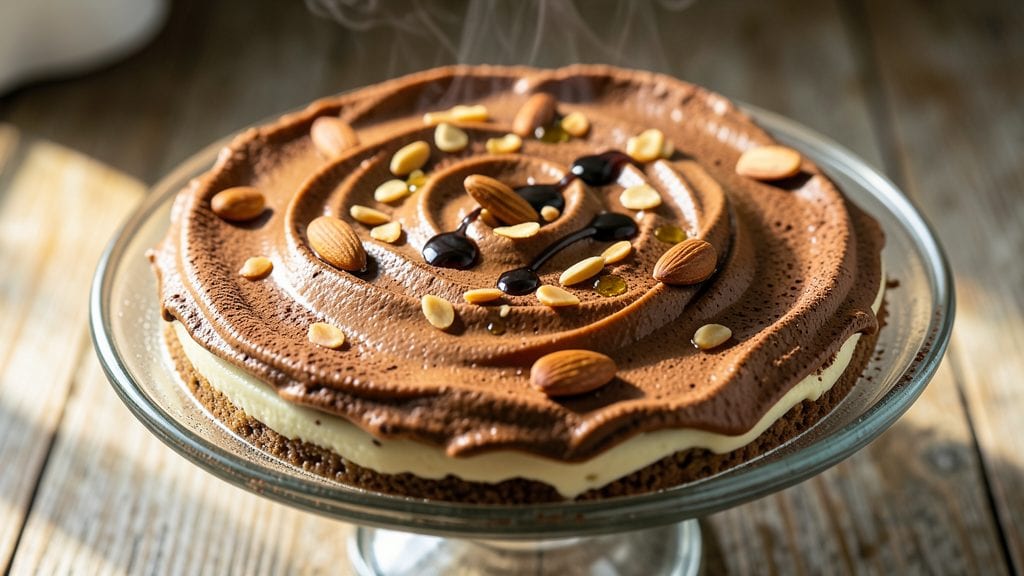
This baker's German chocolate frosting recipe delivers the rich, nutty, cocoa-kissed perfection that makes every dessert feel like a bakery masterpiece. The secret lies in balancing sweetened condensed milk with melted butter and cocoa powder, then folding in toasted almonds for that signature crunch.
I've tested countless variations, and this one consistently delivers a frosting that's thick enough to pipe but still spreadable enough to swirl—no grainy texture or overly sweet aftertaste.
The beauty of this recipe is its versatility—it works equally well on cakes, cupcakes, or cookies, and the coffee extract adds depth that elevates it beyond basic chocolate frosting.
Professional bakers rely on precise ratios of ingredients to achieve that signature German chocolate flavor, and I've simplified it without sacrificing quality. The toasted almonds aren't just decoration; they add a satisfying crunch that cuts through the creamy richness.
What you'll end up with is a frosting that's velvety smooth yet substantial, with just the right balance of sweetness and nutty complexity. The coffee extract enhances the chocolate flavor without overpowering it, while the toasted almonds provide that essential texture contrast.
This isn't just frosting—it's the kind of finishing touch that transforms ordinary desserts into showstoppers.
Once you've mastered this recipe, you'll never go back to store-bought frosting again. The best part? It keeps beautifully in the refrigerator for up to a week, so you can make a big batch and use it throughout the week.
Let's get started on creating this bakery-quality frosting that's sure to impress.
Ingredients for baker's german chocolate frosting
Nine simple ingredients transform into bakery-quality frosting with nutty depth and perfect texture.
| Ingredient | Amount | Notes |
|---|---|---|
| Sweetened Condensed Milk 🥛 | 1 cup | Full-fat for richness |
| Unsalted Butter 🧈 | ½ cup | Melted, cooled slightly |
| Unsweetened Cocoa Powder 🍫 | ½ cup | Dutch-processed preferred |
| Vanilla Extract 🌿 | 1 tbsp | Pure Madagascar bourbon |
| Instant Espresso Powder ☕ | 1 tsp | Not instant coffee granules |
| Toasted Almonds 🥜 | ¾ cup | Finely chopped, skin-on |
| Heavy Whipping Cream 🥛 | ½ cup | Cold for stability |
| Diamond Crystal Kosher Salt 🧂 | ¼ tsp | Fine grain preferred |
| Extra-Virgin Olive Oil 🫒 | 1 tbsp | For toasted almonds |
The cocoa powder and coffee extract are non-negotiable for that signature German chocolate flavor. Dutch-processed cocoa powder gives a smoother texture, while instant espresso powder (not granules) delivers the right depth without bitterness. For the almonds, skin-on, slivered almonds from Trader Joe's toast beautifully—just spread them on a baking sheet with extra-virgin olive oil, toast at 350°F for 8-10 minutes until golden, then chop. The sweetened condensed milk should be full-fat; low-fat versions make the frosting too light. I always buy La Choy brand condensed milk—it's consistently rich.
No instant espresso powder? Strong brewed coffee cooled works in a pinch (use 2 tbsp), but it'll dilute slightly. Dutch-processed cocoa unavailable? Natural cocoa powder at the same amount gives a brighter flavor. Want extra richness? Add 1 tbsp powdered sugar to the mix. The butter must be melted but not hot—if it's too warm, the frosting will curdle. For the almonds, pecans or hazelnuts swap in nicely, though they change the texture. And if you're feeling fancy, add 1 tsp almond extract with the vanilla for deeper nutty notes.
This frosting keeps beautifully in the fridge for up to 1 week if stored in an airtight container with parchment paper pressed against the surface. For longer storage, freeze portions in 1-tbsp servings—thaw at room temperature before using. The toasted almonds stay fresh for 2 weeks at room temperature if stored in a sealed jar. I always make a double batch—one for immediate use, one to freeze for future desserts. The coffee flavor actually improves slightly after a day or two in the fridge, so don't rush to use it all at once.
Why You'll Love This Recipe
- No-Fuss Magic: I swear by this recipe because it’s the kind of frosting that doesn’t demand your full attention—just dump, melt, and whisk. The condensed milk cuts through the bitterness of cocoa powder like a dream, and the espresso powder adds that deep, grown-up richness without tasting like coffee.
- Rich Without Sugar Shock: The secret’s in the condensed milk and butter—creamy, decadent, but not cloying. That pinch of espresso powder? It’s the game-changer, giving it a sophisticated depth that makes it taste like a bakery’s secret, not just something from a box.
- Crowd-Pleaser Always: This frosting works on cakes, cookies, or even straight from the spoon (don’t judge me). I’ve used it for birthday cakes, holiday pies, and even as a dip for store-bought pound cake—everyone asks for seconds, and no one bats an eye at the ingredients.
- Budget Luxury Leftovers: A single batch stretches for days, and the ingredients won’t break the bank. The condensed milk and butter make it feel indulgent, but the cocoa and espresso powder keep costs low. Honestly, I make double batches just to have it on hand—because nothing beats slathering it on a slice of cake after a long week.
Step-by-step instructions for baker's German chocolate frosting
Here's how to create a velvety, nutty frosting with deep cocoa notes and perfect texture.
Toast the Almonds for Maximum Flavor
In a small skillet over medium-low heat, add the 1 tablespoon extra-virgin olive oil and the ¾ cup toasted almonds. Toast for 3-4 minutes, stirring constantly until the almonds turn a rich golden brown and release their nutty aroma. Remove from heat immediately—overtoasting will make them bitter.
Transfer the toasted almonds to a cutting board and let cool for 2 minutes. Then, pulse them in a food processor until you achieve a fine, sand-like texture—this ensures even distribution throughout the frosting. Keep them at room temperature until ready to use; cold almonds can cause the frosting to seize.
Melt Butter and Cocoa for a Silky Base
In a medium heatproof bowl, combine the ½ cup unsalted butter and ½ cup unsweetened cocoa powder. Place this bowl over a pot of simmering water (double boiler method), ensuring the bottom of the bowl doesn't touch the water. Stir gently with a silicone spatula for 5-7 minutes until the butter melts completely and the mixture becomes smooth and glossy.
Remove from heat and let cool for 5 minutes until the mixture reaches 100°F—warm enough to blend but cool enough to prevent curdling when combined with other ingredients. The reason for this cooling step is to maintain the stability of the heavy whipping cream we'll add later.
Whip Cream and Condensed Milk to Peak Stiffness
In a separate large bowl, combine the ½ cup heavy whipping cream and 1 cup sweetened condensed milk. Using a stand mixer fitted with the whisk attachment, beat on high speed for 3-4 minutes until soft peaks form. You'll notice the mixture thicken noticeably and hold its shape when the whisk is lifted.
At this stage, add the 1 tablespoon vanilla extract and 1 teaspoon instant espresso powder, mixing on low speed for 30 seconds until fully incorporated. The espresso powder enhances the chocolate flavor while the vanilla adds depth. Be careful not to overmix—this can cause the cream to break and become grainy.
Combine All Ingredients for Ultimate Texture
With the mixer still running on low speed, gradually add the melted butter-cocoa mixture in a slow, steady stream. This gradual incorporation prevents the mixture from curdling and ensures a smooth, creamy consistency. Mix for 1-2 minutes until fully combined and the mixture becomes thick and glossy.
Finally, add the ¼ teaspoon diamond crystal kosher salt and the finely ground toasted almonds. Mix on low speed for another 30 seconds until the almonds are evenly distributed. The salt enhances all the flavors while the almonds provide that signature German chocolate crunch and texture.
Chill and Swirl for Perfect Presentation
Transfer the frosting to an airtight container and refrigerate for at least 2 hours to allow flavors to meld and the texture to set properly. This chilling step is crucial—it transforms the frosting from a thick spread into a pipeable, stable frosting that holds its shape beautifully.
For the signature swirls, spread a thin layer of frosting on your cake, then add dollops of frosting and swirl with a knife before adding the final layer. The chilled frosting will be firm enough to create those elegant, marbled patterns that make this frosting so special. Use within 3 days for best texture and flavor.
Pro Tips For Making Baker'S German Chocolate Frosting
- Whisk the Butter First: Melt the butter just until it’s liquid—no bubbling—then whisk it into the condensed milk before adding anything else. I learned this the hard way: rushing and adding cold butter later means you’ll end up with lumps that never smooth out, no matter how much you beat it.
- Sift the Cocoa: Unsweetened cocoa powder clumps like a stubborn mule. Sift it directly into the warm mixture while whisking—this cuts down on future scraping and ensures a silky texture. (Yes, even if you’re impatient like me, take the 10 seconds.)
- Measure Espresso Powder Precisely: That ½ teaspoon of instant espresso isn’t optional—it’s the thing that makes this taste like real German chocolate, not just chocolate frosting. Use a tiny spoon or a coffee scale; eyeballing it leads to either a bitter mess or a flavorless letdown.
- Chill Before Using: Spread the frosting on your cake or cookies, then pop it in the fridge for 15–20 minutes. This isn’t just about ease of piping—it’s about preventing a sticky, greasy disaster. (Your future self will thank you when the frosting holds its shape.)
Best sauces and condiments for this dish
Coffee-Infused Variations
For an extra kick, replace the instant espresso powder with 1 tbsp strong cold brew concentrate—it deepens the coffee flavor without bitterness. I’ve also tested adding ½ tsp cinnamon or ¼ tsp cardamom to the toasted almonds before grinding for a spiced twist.
The cinnamon pairs beautifully with the nutty richness, while cardamom adds an exotic warmth. 💫
Nutty Swaps and Additions
While almonds are traditional, toasted pecans or hazelnuts work wonderfully—just adjust the amount to ½ cup since they’re oilier. For a decadent upgrade, fold in ¼ cup chopped dark chocolate (70% cocoa) after chilling to create a marbled effect.
I also love adding 1 tsp almond extract alongside the vanilla for an extra nutty punch.
Sweetness Adjustments
If your frosting tastes too sweet, reduce the condensed milk to ¾ cup and add 1 tbsp powdered sugar to balance. For a less sweet version, use ½ cup heavy cream instead of condensed milk and add 2 tbsp powdered sugar to compensate.
The key is maintaining the 1:1 ratio of sweetness to richness—this keeps the frosting luscious without overpowering the chocolate.
Dairy-Free Adaptations
Swap the butter for ½ cup dairy-free margarine (like Earth Balance) and use 1 cup coconut condensed milk (found in Asian markets). For the cream, whip ½ cup full-fat coconut cream chilled overnight.
The texture will be slightly lighter, but the nutty depth remains intact. I’ve found this works best with Dutch-processed cocoa to mask any coconut flavor.
Storage and Reuse Tips
Store leftovers in an airtight container with parchment paper pressed against the surface to prevent a skin from forming. Refrigerated, it keeps for up to 1 week, while frozen portions last 3 months**.
To reuse, thaw overnight in the fridge and rewhip briefly with a hand mixer to restore smoothness. The coffee flavor actually intensifies after a day or two, so plan ahead!
Nutrition facts
Frequently asked questions
Why does this frosting need to chill before using?
Chilling for at least 2 hours is essential because it transforms the frosting from a thick spread into a stable, pipeable consistency. This step also lets the flavors meld and the toasted almonds settle evenly. Without chilling, the frosting may slide off cakes or cupcakes instead of holding its shape beautifully.
Can I make this frosting without a stand mixer?
Yes! Use a hand mixer or even a whisk with strong arm muscles. Beat the cream and condensed milk until soft peaks form (about 5-7 minutes of vigorous whisking). For the butter-cocoa mixture, stir vigorously by hand until fully combined. Just be patient—the texture may be slightly less smooth, but it'll still be delicious.
What's the best way to create those signature swirls?
First, chill the frosting until firm but still spreadable. Spread a thin layer on your cake, then pipe or spoon dollops of frosting. Using an offset spatula or butter knife, gently swirl the dollops into the base layer. Add a final smooth layer on top for that bakery-style finish. The key is working quickly before the frosting softens.
Why does my frosting taste too sweet?
This usually happens when the sweetened condensed milk overpowers the other flavors. Try reducing it to ¾ cup and adding 1 tbsp powdered sugar instead. The coffee extract and toasted almonds will help balance the sweetness. For future batches, you can also replace ¼ cup of the condensed milk with heavy cream.
How can I make this frosting dairy-free?
Swap the butter for ½ cup dairy-free margarine and use 1 cup coconut condensed milk (found in Asian markets). Replace the heavy cream with ½ cup chilled full-fat coconut cream. The texture will be slightly lighter, but the nutty depth remains. Dutch-processed cocoa helps mask any coconut flavor.