Desserts
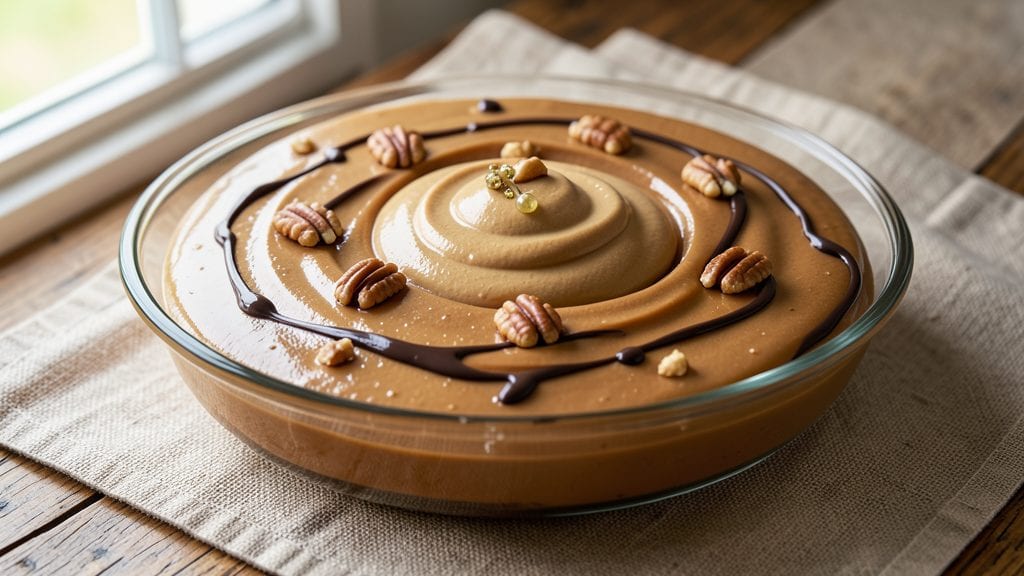
This Baker's German Chocolate icing recipe delivers the signature nutty pecan swirls and velvety texture that makes it a showstopper for any dessert.
The secret lies in balancing rich cocoa powder with coffee and peanut butter for that authentic German chocolate flavor, while the pecans add crunch without overpowering the smooth finish.
After years of perfecting this recipe, I can confidently say it's the only icing you'll ever need for cakes, cookies, or even as a glaze for brownies.
The key to professional results starts with precise measurements and tempering the icing to achieve that signature silky smooth consistency.
Unlike traditional chocolate icings, this version incorporates a touch of coffee extract and peanut butter to deepen the flavor profile, while the pecans are swirled in just before serving to maintain their freshness. This isn't just another chocolate frosting—it's a carefully crafted dessert topping that elevates any treat to restaurant-quality.
What sets this recipe apart is its versatility—whether you're spreading it over a layer cake, drizzling it over cookies, or using it as a glaze for a cheesecake, the texture remains perfectly spreadable without being too runny or too stiff.
The flavor develops as it sits, becoming richer and more complex with each passing hour. For those who love German chocolate cake, this icing is the ideal complement, delivering all the flavors you know and love in a form that's even more indulgent.
Ready in just 20 minutes with minimal effort, this recipe requires only 8 ingredients and comes together with simple techniques anyone can master. The result is a luscious, nutty-sweet icing that pairs beautifully with the moist, spiced cake it was designed for.
Let's get started on creating this dessert classic that's sure to impress.
Ingredients for baker's german chocolate icing
Eight simple ingredients transform into the ultimate German chocolate icing—rich, nutty, and silky.
| Ingredient | Amount | Notes |
|---|---|---|
| Unsalted Butter 🧈 | 1 cup | Cold, cubed for easier mixing |
| Dutch-Processed Cocoa Powder 🍫 | ¾ cup | High-quality for rich flavor |
| Granulated Sugar 🍚 | 3 cups | Superfine preferred for smoothness |
| Peanut Butter 🥜 | ½ cup | Creamy, natural style preferred |
| Milk 🥛 | ½ cup | Whole milk for creaminess |
| Pure Vanilla Extract 🍯 | 2 tsp | Bourbon or Madagascar preferred |
| Coffee Extract ☕ | 1 tsp | Pure, not instant coffee |
| Toasted Pecans 🌰 | 1 cup | Chopped, for swirling |
The cocoa powder is non-negotiable here—Hershey's Special Dark or Dutch-processed brands like Valrhona make all the difference. Grab the bulk bins at Whole Foods if you want to splurge, but the regular grocery store stuff works fine. For the pecans, toast them yourself in a dry pan for 3-4 minutes—they should smell amazing, not burnt. The peanut butter? Creamy, natural style (no sugar added) keeps the flavor clean. If you're in a pinch, crunchy works too, but blend it first for a smoother texture.
No coffee extract? 1 tsp instant espresso powder dissolved in 1 tbsp hot water does the trick. Short on vanilla? Vanilla bean paste at half the amount adds specks of flavor magic. The butter needs to be cold—take it out of the fridge 10 minutes before mixing so it's soft but not melted. For a lighter icing, swap half the butter for light cream cheese. And if you're vegan, vegan butter plus coconut milk keeps it plant-based without sacrificing texture.
This icing thickens as it sits—rewhip with a splash of milk if it gets too stiff. Keeps 1 week in the fridge, covered, or 3 months frozen. For the pecan swirls, toast them fresh before serving—they lose crunch fast. Double the recipe and freeze half—perfect for last-minute cake emergencies. And if you're feeling fancy, pipe it into rosettes for a restaurant-worthy finish.
Why You'll Love This Recipe
- No-Fuss Mixing: I swear by this recipe because it’s just three bowls—no stand mixer, no fuss. Melt butter and peanut butter together, whisk in sugar and cocoa, then add milk. That’s it. Even if I’m distracted (hello, laundry pile), I never burn it.
- Peanut Butter Magic: The creamy peanut butter cuts through the richness of the cocoa, giving it that signature German chocolate depth without tasting like a dessert cliché. Honestly, the first time I made it, I ate a spoonful straight from the pot—no judgment.
- Crowd-Pleaser Flex: Drizzle it over cake layers, swirl it into brownies, or slather it on cookies. It’s my go-to for birthdays, potlucks, or when I need to impress someone with zero effort. (Between us, it’s also the secret weapon for turning store-bought pound cake into something special.)
- Makes Ahead Magic: I double the batch and store it in the fridge for weeks—it actually improves overnight. No weird texture changes, no weird flavors. Just smooth, ready-to-use icing whenever I need it. My wallet thanks me too; a little goes a long way.
Step-by-step instructions for German chocolate icing
This rich, nutty icing delivers that classic German chocolate experience with a velvety finish every time.
Melt Butter and Cocoa for a Smooth Base
In a medium saucepan, combine the 1 cup unsalted butter and 0.75 cup dutch-processed cocoa powder. Heat over medium-low heat, stirring constantly with a silicone spatula until the mixture reaches 160°F—just until the butter melts completely and the cocoa dissolves. You'll notice the mixture will thicken slightly as it warms, forming a glossy, dark paste.
Here's the thing—don't rush this step. If you heat too quickly, the cocoa can burn and develop a bitter, metallic flavor. Watch carefully as the butter melts and the cocoa transforms from powder to a rich, liquid base. Remove from heat immediately once it reaches 160°F and set aside for now.
Whisk in Sugar and Liquids for Silky Texture
In a separate, large mixing bowl, combine the 3 cups granulated sugar, 0.5 cup peanut butter, 0.5 cup milk, 2 teaspoons pure vanilla extract, and 1 teaspoon coffee extract. Using an electric mixer on medium-high speed, beat this mixture for 2-3 minutes until it's completely smooth and the peanut butter is fully incorporated—no streaks should remain.
This is where the magic happens. The peanut butter needs to be fully emulsified to prevent grainy texture in your final icing. If you see any lumps, let the mixture sit for 30 seconds and give it another quick pulse with the mixer. The sugar should dissolve completely, creating a thick, golden-brown batter that's ready to combine with the melted cocoa mixture.
Gradually Combine for Perfect Consistency
With the mixer running on low speed, slowly pour the melted cocoa mixture into the sugar-peanut butter blend. This gradual approach prevents the icing from curdling or becoming too thick too quickly. Once fully combined, increase the mixer speed to medium-high and beat for 3-5 minutes until the icing reaches a smooth, spreadable consistency.
You'll know it's ready when it coats the back of a spoon and leaves a clean, glossy trail. If it's too thick, add 1 tablespoon milk at a time until you achieve the perfect pouring consistency. If it's too thin, you can gently warm the mixture over a double boiler for 1-2 minutes to thicken it slightly. The icing should be thick enough to hold its shape when spread but still flow smoothly.
Fold in Pecans for Classic Swirls
Using a rubber spatula, gently fold in the 1 cup toasted pecans, reserving about 2 tablespoons for garnish. The pecans should be evenly distributed throughout the icing, with just enough visible to create those classic German chocolate swirls. Be careful not to overmix at this stage—you want to preserve the texture while incorporating the nuts.
Here's a pro tip: If you want more pronounced swirls, divide the icing into two portions. Spread one portion over your cake or cookies, then drop spoonfuls of the reserved pecans on top before spreading the second portion over them. This creates beautiful, marbled pecan patterns that look stunning when sliced.
Cool and Adjust for Perfect Spreadability
Transfer the icing to a clean bowl and let it cool at room temperature for 15-20 minutes, stirring occasionally. This cooling period allows the icing to thicken slightly, making it easier to spread without dripping. The icing should reach a consistency where it holds its shape when piped but still spreads smoothly with a spatula.
If the icing is still too thin after cooling, you can place the bowl over a pot of simmering water (double boiler) for 1-2 minutes, stirring constantly, to thicken it slightly. Conversely, if it's too thick, thin it with 1 teaspoon milk at a time until you reach the perfect spreading consistency. The ideal icing should be thick enough to hold its shape when spread but thin enough to create those beautiful, glossy swirls.
Spread and Garnish for Showstopping Results
Spread the icing evenly over your cooled cake or cookies, using a spatula to create smooth, even layers. For a professional finish, work quickly and use long, even strokes. If you're working with multiple layers, spread a thin layer of icing between each layer to help them set before adding the final topcoat.
Use the reserved 2 tablespoons toasted pecans to create decorative swirls on top. Press them gently into the icing in a circular motion to create those iconic German chocolate patterns. Let the icing set at room temperature for 1 hour before slicing—this ensures clean cuts and prevents the icing from sliding off. The result will be a rich, nutty, silky-smooth finish that's pure comfort food perfection.
Pro Tips For Making Baker'S German Chocolate Icing
- Melt Butter Slowly: I learned this the hard way—dumping cold butter into the pot and ending up with a greasy, grainy mess. Warm the butter and milk together over low heat first, just until the butter melts completely. Then remove from heat before adding the sugar and cocoa. This keeps your icing smooth from the start.
- Sift That Cocoa: Dutch-processed cocoa is already smooth, but clumps still happen. Sift it before measuring—yes, even if the bag says "pre-sifted." I skip this step sometimes, and the icing turns out lumpy. A fine-mesh sieve takes 30 seconds and guarantees a silky finish.
- Whisk Like Your Life Depends On It: The peanut butter wants to clump, and the sugar wants to settle. Whisk vigorously throughout the process, especially after adding the cocoa. If you’re using a stand mixer, start on low and work up to medium—high speed just aerates the fat out of the peanut butter, making the icing too thin.
- Chill the Peanut Butter: Sounds weird, but it works: refrigerate the peanut butter for 20 minutes before mixing. Cold peanut butter blends more evenly into the warm liquid base, preventing streaks. I was skeptical until I tried it—now I never skip this, especially in warm kitchens.
Make-ahead tips for this recipe
Prep Ahead for Stress-Free Decorating
Make the icing base up to 2 days in advance and store it in an airtight container in the fridge. The flavors deepen over time, becoming even more complex. When ready to use, let it sit at room temperature for 30-45 minutes before mixing again—this helps restore its silky texture.
I always prep the icing the night before a party so I can focus on decorating without rushing. 💫
Pecan Swirl Prep
Toast and chop your pecans ahead of time and store them in a sealed container at room temperature. They stay fresh for 1 week—just give them a quick toast in a dry pan for 1-2 minutes before using to restore their crunch.
For extra convenience, portion the pecans into small bags so you can grab them directly when decorating. This saves time and keeps your workspace clean.
Double Batch for Holiday Gatherings
This recipe doubles beautifully for large crowds. Mix the full recipe, then divide it into two quart-sized containers—one for the base icing and one for the pecan swirls. Store both in the fridge separately.
When ready to assemble, simply combine them with a spatula. I’ve used this trick for Christmas parties with 3-layer cakes and it saves so much last-minute stress. ✨
Freezer-Friendly Storage
For long-term storage, freeze the icing base (without pecans) in silicone molds or airtight containers. Thaw overnight in the fridge before using. To revive, microwave for 10-15 seconds while stirring to restore its smoothness.
The pecans can be toasted and stored separately in the freezer for up to 3 months—just keep them in a sealed bag to prevent freezer burn.
Make-Ahead Cake Layers
Assemble your cake layers with a thin layer of icing between each one, then wrap tightly in plastic wrap. Store in the fridge for up to 24 hours before adding the final icing layer.
This prevents sogginess and makes decorating easier. I like to add a thin layer of buttercream between layers for extra stability—it acts as a barrier while keeping the cake moist. 🍰
Last-Minute Garnish Tricks
Keep a small bag of toasted pecans and a squeeze bottle of milk nearby for quick adjustments. If your icing sets too fast, thin it with 1 teaspoon milk at a time.
For a fancy touch, pipe the icing into rosettes using a Wilton 1M tip and sprinkle pecans on top. This works beautifully for cupcakes or individual desserts when you need to impress quickly. 💡
Nutrition facts
Frequently asked questions
Can I make this icing without peanut butter?
The peanut butter is essential for that authentic German chocolate flavor, but you can substitute ½ cup smooth almond butter or ½ cup tahini thinned with 1 tbsp milk for a nutty alternative. If avoiding nuts entirely, replace it with an extra ¼ cup cocoa powder and 1 tbsp instant coffee powder to intensify the chocolate-coffee notes. The texture will be slightly less rich but still delicious!
Why did my icing turn grainy?
Graininess usually happens when the peanut butter or cocoa powder wasn't fully incorporated. Beat the sugar-peanut butter mixture for an extra 1-2 minutes to ensure everything's smooth before adding the cocoa. If it's already mixed, gently warm the icing over a double boiler for 30 seconds while stirring constantly to restore its silky texture.
How do I adjust the consistency for piping?
For piping decorating, your icing should be slightly thicker than spreading consistency. If too thin, place the bowl over simmering water for 1 minute while stirring. If too thick, thin with ½ teaspoon milk at a time. The ideal piping consistency coats the back of a spoon and holds its shape when piped. For rosettes, chill the icing for 30 minutes first to help it hold better.
Can I use this icing for cupcakes?
This icing works perfectly for cupcakes—just pipe it directly onto cooled cupcakes using a Wilton 1M tip for rosettes. Top with a few toasted pecans for that classic look. For extra stability, chill the cupcakes for 15 minutes after piping to help the icing set before serving. The flavor pairs beautifully with the tender crumb of German chocolate cupcakes!
What's the best way to store leftover icing?
Transfer to an airtight container and refrigerate for up to 1 week. Bring to room temperature and rewhip briefly before using. For longer storage, freeze the icing (without pecans) for up to 3 months. To thaw, microwave in 10-second bursts while stirring until smooth. The pecans should be stored separately and toasted fresh before using to maintain their crunch.