Desserts
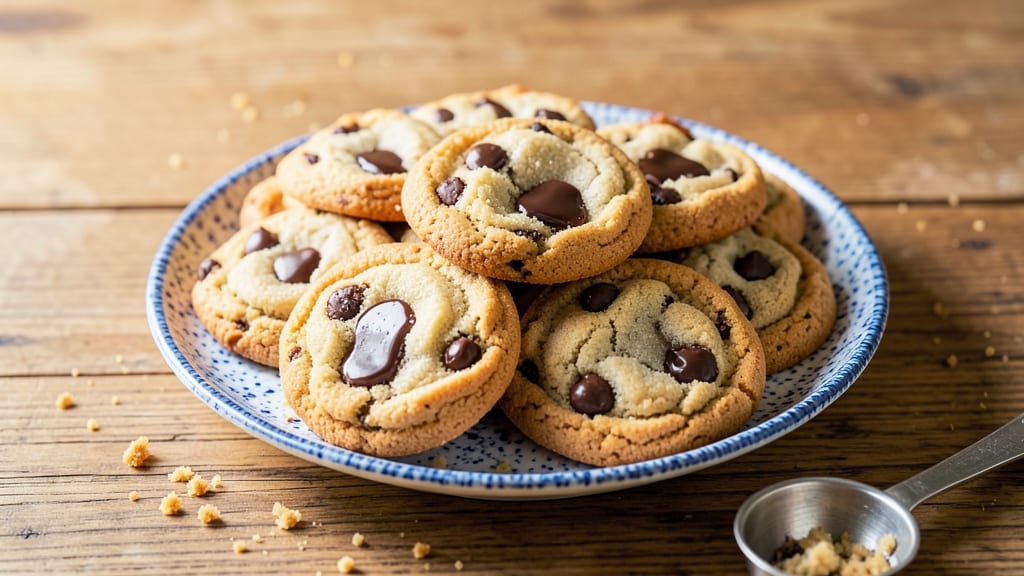
The original Nestlé Toll House chocolate chip cookie recipe delivers the perfect balance of crispy edges and melty centers that made it legendary in 1957. 💫 This isn't just a cookie—it's a time-tested classic that transformed home baking forever, using Nestlé semi-sweet chocolate morsels for that signature texture.
The secret lies in precise measurements and baking techniques that create the iconic "crunch and melty magic" in every bite.
What sets this recipe apart is its simplicity combined with foolproof results. With just a few ingredients—flour, butter, sugar, eggs, and those essential chocolate chips—you'll achieve cookies that bake up golden brown on the edges while staying soft in the center.
The key is using melted butter for even distribution and baking at the right temperature to ensure perfect doneness every time.
Once you take them out of the oven, the aroma alone will have everyone gathering around. The chocolate stays gooey while the edges develop that satisfying crunch, creating a texture that's impossible to resist.
These cookies are perfect for holidays, potlucks, or just satisfying that afternoon sweet tooth when nothing else will do.
For variations, try adding chopped walnuts or white chocolate chips for extra texture and flavor. Store in an airtight container for up to a week, though they rarely last that long. Let's get baking the way the original Toll House intended!
Ingredients for original nestle toll house chocolate chip cookie
Nine simple ingredients—just like Nestlé intended in 1957—create the ultimate cookie magic.
| Ingredient | Amount | Notes |
|---|---|---|
| Unsalted Butter 🧈 | 1 cup | Melted and cooled slightly |
| Granulated Sugar 🍚 | ¾ cup | Packed lightly |
| Brown Sugar 🍯 | ¾ cup | Packed lightly |
| Large Eggs 🥚 | 2 whole | Room temperature preferred |
| Vanilla Extract 🌿 | 2 tsp | Pure extract, not imitation |
| All-Purpose Flour 🌾 | 2 ½ cups | Sifted, spooned lightly |
| Baking Soda 🧪 | 1 tsp | Not baking powder |
| Salt 🧂 | 1 tsp | Diamond Crystal preferred |
| Nestlé Semi-Sweet Chocolate Morsels 🍫 | 2 cups | Original 1957 size, not mini |
The butter is non-negotiable. Use unsalted—it gives you control over the salt. Melt it properly (no microwave nuking!) and let it cool just until it's warm to the touch. For the sugars, lightly pack them—don't ram them down. The Nestlé chocolate morsels? Original 1957 size—those tiny mini chips ruin the texture. Trader Joe's and Walmart still carry them, but check the baking aisle. If you can't find them, Enjoy Life Semi-Sweet Mini Chips work in a pinch, but you'll need double the amount. The vanilla? Pure extract—none of that imitation stuff that tastes like perfume.
No vanilla extract? Vanilla bean paste or even a scraped vanilla bean works—just use half the amount. Running low on butter? Coconut oil gives a slightly different texture, but it works. The flour? Sift it—this isn't optional. It keeps the cookies light and fluffy. For the baking soda, double-check the can—old baking soda loses power. Salt? Diamond Crystal dissolves better than table salt. Want to get fancy? Toss in flaky sea salt with the chocolate chips before baking for a gourmet twist. And if you're feeling rebellious, swap half the semi-sweet for white chocolate chunks—just don't tell Nestlé.
These cookies taste even better the next day—store in an airtight container at room temperature. They'll keep for 5-7 days, though they're usually gone in hours. For freezing, portion the dough into balls, freeze on a tray, then transfer to a bag. Bake straight from frozen—just add 2-3 minutes. Pro tip: Underbake them slightly—they'll firm up as they cool. And if someone asks why you're eating raw cookie dough, just say it's 'Nestlé-approved quality control.'
Why You'll Love This Recipe
- No Fuss, Big Payoff: I’ll be real—this recipe has five ingredients (plus chocolate chips, obviously) and still delivers. Cream the butter and sugars until it’s light and fluffy—no mixer? A sturdy fork works just fine—and you’re halfway there. The eggs and vanilla tie it all together in minutes.
- Chewy-Crisp Magic: That perfect balance? All in the sugars. The granulated gives structure, the brown sugar keeps it soft, and the butter? It’s the secret—cold butter for crisp edges, softened for chew. Toss in the Toll House chips (or your favorite), and you’ve got that just-baked moment every time.
- Tea Time to Potluck: Honestly, these work anywhere. A quick afternoon snack with milk or coffee, a last-minute potluck hero, or even breakfast (yes, really). Double the batch, freeze half—thawing takes seconds in the microwave. My college roommate used to steal them from the jar.
- Pantry Staple Power: You’re already using what’s in your cupboard. No weird ingredients, no last-minute grocery runs. The butter and sugars last forever, and eggs? Versatile enough for breakfast, dinner, or dessert. Plus, cookies freeze like champs—so you’re never stuck scrambling when the craving hits.
Step-by-step instructions for the original Nestlé Toll House chocolate chip cookie recipe
Here's the classic method that delivers those legendary cookies with perfect chew and melty chocolate pockets!
🍳 Step 1: Cream Butter and Sugars to Peak Fluffiness
In a stand mixer fitted with the paddle attachment, beat the 1 cup unsalted butter (melted and cooled slightly) with the 0.75 cup granulated sugar and 0.75 cup brown sugar (packed lightly) on medium speed for 3-4 minutes. You're looking for a light, fluffy texture that nearly doubles in volume and becomes pale yellow. This creaming process incorporates air, which creates those beautiful crackly tops and helps the cookies spread just right.
I like to scrape down the sides of the bowl every 30 seconds to ensure even mixing. The butter should be completely smooth with no graininess, and the mixture should leave a trail when the paddle lifts out. If you're doing this by hand, use a hand mixer and increase the time to 4-5 minutes—patience here makes all the difference!
👨🍳 Step 2: Add Eggs and Vanilla for Rich Flavor
Add the 2 whole large eggs (room temperature preferred) one at a time, mixing on low speed for 30 seconds after each addition until fully incorporated. Then add the 2 teaspoons vanilla extract and mix for another 10 seconds. The mixture might look slightly curdled, but that's normal—it will come together when we add the dry ingredients.
Here's the thing—room temperature eggs blend more smoothly and create a better texture. If your eggs are straight from the fridge, let them sit in warm water for 5 minutes first. The vanilla extract should be pure, not imitation, for that authentic Toll House flavor. Give it a quick sniff to make sure it smells strong and fresh!
👨🍳 Step 3: Combine Dry Ingredients and Chocolate
In a separate bowl, whisk together the 2.5 cups all-purpose flour (sifted and spooned lightly), 1 teaspoon baking soda, and 1 teaspoon salt. Add this mixture to the wet ingredients and mix on low speed for 30-45 seconds until just combined—you should still see a few flour streaks. Over-mixing develops gluten and makes cookies tough.
Remove the bowl from the mixer and fold in the 2 cups Nestlé Semi-Sweet Chocolate Morsels (original 1957 size) by hand using a silicone spatula. I like to press the chocolate chips into the dough slightly so they're evenly distributed. Make sure they're not all clustered together—this ensures every bite has that perfect melty chocolate surprise!
⏰ Step 4: Chill the Dough for Perfect Texture
Cover the bowl with plastic wrap and refrigerate for at least 30 minutes (I prefer 1 hour or even overnight). This chilling step is non-negotiable—it solidifies the butter, which prevents the cookies from spreading too thin in the oven. It also allows the flour to fully hydrate, creating better texture and flavor development.
Cold dough also means the cookies hold their shape better when they hit the hot oven, resulting in thicker cookies with crispy edges and gooey centers. I know it's tempting to skip this step, but trust me—your cookies will be worlds better if you wait. If you're in a hurry, at least 20 minutes in the fridge makes a noticeable difference!
🔥 Step 5: Bake to Golden Perfection
Preheat your oven to 375°F and line two baking sheets with parchment paper. Scoop the chilled dough into 1.5-tablespoon portions (I use a cookie scoop for uniform size) and place them 2 inches apart on the prepared sheets. The dough will be cold and firm—don't worry, it softens as it bakes.
Bake for 9-11 minutes until the edges are golden brown but the centers still look slightly underdone. They'll continue cooking on the hot pan after you remove them from the oven. Let them cool on the baking sheet for 2 minutes before transferring to a wire rack. The cookies will be soft when you take them out, but they'll set up as they cool—this is exactly what you want!
Pro Tips For Making Original Nestle Toll House Chocolate Chip Cookie
- CREAM BUTTER COLD: Mix the butter and sugars until the dough is just combined—no need to overwork it. I used to beat this until it looked like cookie dough batter, but the recipe actually works best when the butter stays slightly pebbly. Trust me, the texture stays chewy this way.
- MEASURE SUGARS RIGHT: Pack the brown sugar firmly into the cup—don’t scoop it. After burning through three batches with cookies that tasted under-sweetened, I learned the recipe expects dense packing. Granulated sugar? Just level it off; no packing needed.
- CHILL DOUGH LONGER: Skip the 30-minute rest if you’re in a rush, but give it at least 2 hours for real flavor. I was skeptical until I tried it—cookies baked up thicker, chewier, and with deeper caramel notes. Yes, even if you’re impatient like me.
- BAKE ONE SHEET AT A TIME: Don’t overcrowd the pan—leave at least 2 inches between cookies. After cramming a sheet and ending up with flat, sad cookies, I switched to one sheet at a time. The edges crisp up perfectly, and you avoid the sad, doughy centers.
Troubleshooting this dish
Flattened Dough Fix
If your dough looks too stiff or refuses to hold its shape when scooped, it’s likely over-chilled or needs more fat. Let the dough sit at room temperature for 10-15 minutes before scooping, or add 1 extra tablespoon of melted butter to the dough.
Overworked dough? Stop mixing immediately—gluten development makes cookies tough. Use a spoon or ice cream scoop instead of rolling balls for cleaner edges. 💡
Cookies Spread Too Much
Over-spreading usually means the dough was too warm or the butter wasn’t chilled enough. Next time, refrigerate the dough for 2 hours (or overnight) and scoop 1-tablespoon balls instead of 1.5-tablespoon.
For a quick fix, place baking sheets on the middle rack instead of the top—this reduces heat exposure. Also, ensure your butter is soft but not melted before creaming. 🌡️
Dry or Cakey Texture
Dry cookies often result from over-mixing or too much flour. Measure flour correctly by spooning it lightly into cups and leveling with a knife—don’t pack it down. If your dough seems too dry, add 1 tablespoon of milk or heavy cream to the wet ingredients.
For cakey cookies, reduce baking time by 1-2 minutes and avoid overbaking. 🍪
Chocolate Burns or Doesn’t Melt
If your chocolate chips burn before the cookies finish baking, reduce oven temperature to 350°F and bake for 10-12 minutes. For unmelted chocolate, underbake slightly—the residual heat will finish melting the chips as they cool.
Press chips into the dough before baking to ensure even distribution. Use Nestlé Semi-Sweet Morsels (not mini chips) for the classic Toll House melt. 🍫
Pale or Undercooked Centers
Pale centers mean the cookies didn’t bake long enough. Increase baking time by 1-2 minutes and check for a golden brown edge—the center should still look slightly soft. For even baking, rotate pans halfway through.
If your oven runs hot, reduce temperature to 350°F. Let cookies rest on the baking sheet for 3-4 minutes before transferring to cool. ✨
Cookies Stick to Parchment
Sticky cookies usually mean the dough was too wet or the parchment wasn’t properly lined. Ensure parchment paper is fully covering the baking sheet and has no tears.
If dough sticks, chill the sheet for 10 minutes before transferring cookies. For extra insurance, dust the parchment lightly with flour before scooping dough. 🧲
Nutrition facts
Frequently asked questions
Why do the original Nestlé Toll House cookies need to chill?
Chilling the dough for at least 30 minutes (or up to overnight) prevents excessive spreading and creates thicker cookies with crispy edges. The cold butter solidifies, helping maintain shape while baking. This step also allows flour to hydrate properly for better texture.
Can I substitute Nestlé chocolate morsels with regular chips?
You can use regular semi-sweet chocolate chips, but the original recipe calls for Nestlé Semi-Sweet Chocolate Morsels (original 1957 size) for that classic melt-in-your-mouth texture. Mini chips won't provide the same experience, though they work in a pinch. For authenticity, look for the larger morsels in baking aisles.
How do I make these cookies crispier or chewier?
For crispier cookies, bake at 375°F for 11-12 minutes until edges are deep golden brown. For chewier cookies, underbake slightly (9-10 minutes) and let them cool on the baking sheet for 3-4 minutes before transferring. The residual heat keeps them soft longer.
Can I make these cookies without butter?
While butter is traditional, you can substitute with vegetable shortening or coconut oil for a similar texture. However, butter gives the best flavor and classic Toll House mouthfeel. If using oil, reduce baking time by 1-2 minutes since it spreads less than butter.
How long do these cookies stay fresh?
Store in an airtight container at room temperature for up to 5-7 days. For longer storage, freeze dough balls for 3 months—bake straight from frozen, adding 2-3 extra minutes. The flavor actually improves after 24 hours as the cookies firm up slightly.