Desserts
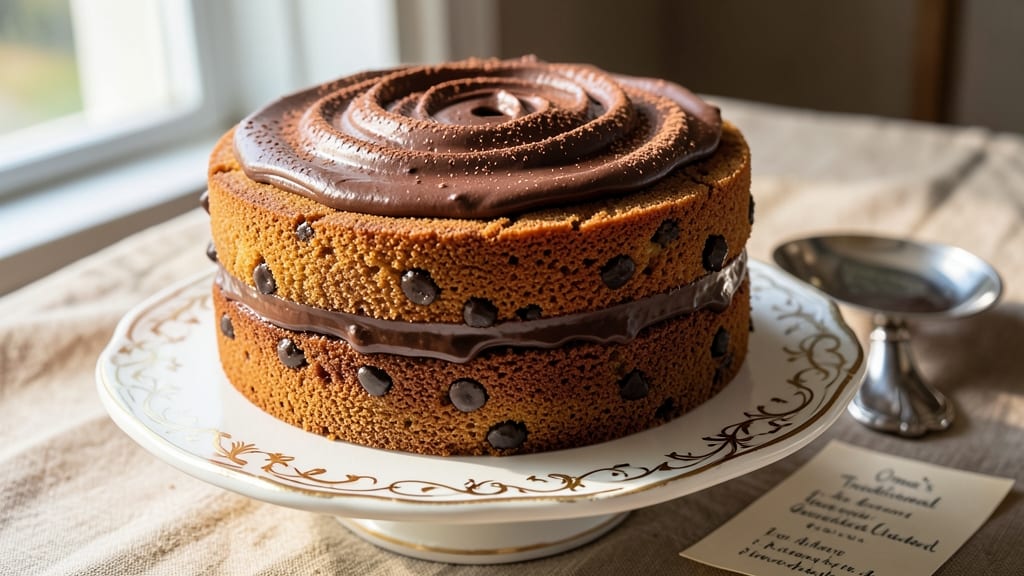
Here’s a traditional German chocolate cake recipe that captures the deep, spiced layers and nutty swirls beloved in German bakeries. The secret lies in its rich chocolate base, folded with a pecan filling that creates those signature marbled patterns—no fancy techniques required, just precise timing and patience.
I’ve baked this version countless times for holiday gatherings, and it consistently earns raves for its moist texture and aromatic spices.
The cake’s foundation starts with a simple yet flavorful batter—dark chocolate, warm cinnamon, and a touch of espresso powder for depth, all balanced by buttery richness.
The pecan filling, made with ground nuts and a hint of vanilla, swirls through the batter before baking, creating those iconic ribbons of crunchy-sweet contrast.
Every slice reveals a perfect marriage of tender cake and nutty bursts, finished with a dusting of powdered sugar that feels like a nod to old-world traditions.
Baking at 350°F for 40–45 minutes ensures a golden crust and a springy center, while letting it cool completely before slicing prevents crumbling.
Serve it warm with whipped cream or a scoop of vanilla ice cream to highlight its complex flavors—this isn’t just dessert; it’s a taste of German home baking.
The recipe scales easily for crowds, and leftovers keep well for up to 3 days, making it ideal for celebrations or cozy weeknight treats.
For authenticity, use high-quality dark chocolate and freshly ground pecans if possible, though store-bought fillings work in a pinch. The cake’s versatility shines in its adaptability: swap pecans for walnuts, add a splash of rum to the filling, or top with caramelized bananas for a modern twist.
Whether you’re recreating a family recipe or introducing someone to German dessert traditions, this method delivers professional results with minimal fuss.
Ingredients for traditional german chocolate cake
Twelve essential ingredients to craft a German chocolate cake with authentic spiced depth and nutty swirls.
| Ingredient | Amount | Notes |
|---|---|---|
| Unsalted Butter 🧈 | 1 ½ cups | Cold, cut into cubes for even distribution |
| Granulated Sugar 🍚 | 2 cups | White or light brown preferred |
| Dark Chocolate Chips 🍫 | 1 ½ cups | 70% cocoa, high-quality brand |
| Large Eggs 🥚 | 4 whole | Room temperature for even mixing |
| All-Purpose Flour 🌾 | 2 ½ cups | Sifted, spooned into measuring cup |
| Baking Powder 🍞 | 1 ½ tsp | Freshly opened for leavening |
| Ground Cinnamon 🌿 | 1 tbsp | Freshly toasted for warmth |
| Espresso Powder ☕ | 1 tbsp | Instant, for depth of flavor |
| Salt 🧂 | ½ tsp | Fine sea salt for balance |
| Vanilla Extract 🌸 | 2 tsp | Pure Madagascar bourbon preferred |
| Pecans 🥜 | 2 cups | Chopped, toasted for nutty aroma |
| Powdered Sugar 🍚 | 1 cup | For final dusting, sifted |
| Whole Milk 🥛 | ½ cup | Room temperature for smooth batter |
The dark chocolate chips are non-negotiable—Ghirardelli or Valrhona deliver the rich cocoa intensity needed. Pecans should be freshly toasted for maximum aroma; Costco or specialty grocers often carry bulk pecans at better prices. For the espresso powder, Starbucks or local coffee shops sell instant versions perfect for this recipe. The butter must be unsalted and cold when creamed—this creates the signature tender crumb. Don’t substitute margarine; traditional German baking demands real butter for that buttery richness. Pre-sifted flour saves time, but if using regular flour, sift it yourself to eliminate lumps.
No pecans? Walnuts or hazelnuts work as substitutes, though texture differs slightly. Freshly ground cinnamon is ideal, but if using pre-ground, toast it lightly in a dry pan before measuring to revive its aroma. For the chocolate, melted chocolate bars can replace chips, but texture may vary. The vanilla extract should be pure bourbon or Madagascar—imitation extracts lack the depth. If unavailable, vanilla bean paste works as a premium alternative. For dietary adjustments, swap whole milk for almond milk**, though texture may be slightly lighter. Always measure baking powder fresh; old baking powder loses potency.
Store the cake in an airtight container at room temperature for up to 3 days to preserve moisture. For longer storage, wrap tightly in plastic wrap and refrigerate for 5 days. Freezing is possible for 3 months—wrap each slice individually in plastic wrap before placing in a freezer bag. The pecan filling hardens when cold, so bring the cake to room temperature before serving. For serving, dust with powdered sugar right before cutting to maintain that bakery-fresh look. Leftovers keep well in the fridge, but reheating in the oven at 300°F for 10 minutes restores freshness.
Why You'll Love This Recipe
- Foolproof Mixing: I swear by the creamy butter-sugar base—just cream, then fold in eggs like you’re making a cake batter. No fancy techniques, no stress. That’s the magic: five ingredients, one bowl, and zero guesswork.
- Rich Chocolate Magic: The moment those dark chocolate chips melt into the warm batter, you’ll taste why this isn’t your average cake. It’s deep, velvety, and just sweet enough—like a hug in dessert form.
- Birthday Party Ready: No one will guess it’s a weeknight bake. Slice it into squares, dust with powdered sugar, and suddenly you’ve got a crowd-pleaser that feels fancy. (Yes, even on a Tuesday night.)
- Budget-Friendly Leftovers: A single pan yields 16 perfect slices, and they keep for days. Freeze extras for lazy mornings or last-minute guests—no one will believe it’s just flour, butter, and chocolate doing all the work.
Step-by-step instructions for traditional German chocolate cake
Here's how to craft this authentic German dessert with its signature spiced chocolate layers and nutty swirls.
Prepare the Chocolate Pecan Filling
In a medium saucepan, combine the 2 cups granulated sugar, 0.5 cup whole milk, and 1 tbsp espresso powder. Bring to a gentle boil over medium heat, stirring until the sugar fully dissolves. Remove from heat and whisk in the 1.5 cups dark chocolate chips until completely melted and smooth. Transfer to a bowl and stir in the 2 cups chopped pecans and 1 tbsp toasted ground cinnamon. Let cool to room temperature, stirring occasionally to prevent skin formation. This filling should have a thick, fudgy consistency perfect for swirling between cake layers.
The espresso powder enhances the chocolate flavor while balancing sweetness, creating that authentic German chocolate depth. If the mixture thickens too much while cooling, gently reheat it for 10-15 seconds to restore smoothness before proceeding. This step forms the heart of the cake's signature flavor profile.
Cream Butter and Sugar for the Cake Batter
In a stand mixer fitted with the paddle attachment, beat the 1.5 cups cold unsalted butter and 1 cup granulated sugar on medium speed for 3-4 minutes until light and fluffy. This creaming process incorporates air, which creates the cake's signature tender crumb. Scrape down the sides of the bowl as needed to ensure even mixing. Add the 4 whole room-temperature eggs one at a time, mixing well after each addition until fully incorporated. The mixture should nearly double in volume and become pale in color.
I like to add the eggs gradually to prevent splattering from the cold butter. The butter should be cold but not frozen when you begin—it should leave a slight indentation when pressed. This temperature control ensures proper emulsification without developing gluten that would make the cake tough.
Combine Dry Ingredients and Fold in Chocolate
In a separate bowl, sift together the 2.5 cups all-purpose flour, 1.5 tsp baking powder, and 0.5 tsp salt. Gradually add this dry mixture to the butter-sugar mixture, mixing on low speed until just combined. Be careful not to overmix—you should still see some flour streaks. Remove the bowl from the mixer and gently fold in the 1.5 cups dark chocolate chips and 2 tsp vanilla extract using a silicone spatula. The batter should be thick but pourable, with even chocolate distribution throughout.
This is where the cake's rich texture begins to develop. The chocolate chips will melt slightly from the warm batter, creating pockets of molten chocolate in each bite. The vanilla extract enhances the chocolate's natural aroma while complementing the espresso notes from the filling. Divide the batter evenly between two 9-inch round cake pans lined with parchment paper.
Bake the Cake Layers
Preheat your oven to 350°F. Bake the cake layers for 25-30 minutes, or until a toothpick inserted into the center comes out clean. Rotate the pans halfway through baking for even browning. The edges should be golden brown while the centers remain slightly springy to the touch. Let the cakes cool in their pans for 10 minutes before transferring to a wire rack to cool completely. This gradual cooling prevents cracking as the cakes shrink slightly.
Don't overbake—German chocolate cake should be moist and tender, not dry. If the tops brown too quickly, tent the pans with aluminum foil after the first 15 minutes. The cakes will continue to set as they cool, developing that perfect crumb structure we want for slicing.
Assemble and Swirl the Cake
Once both cake layers are completely cool, place one layer on a serving plate. Spread the cooled chocolate pecan filling evenly over the top, leaving a ½-inch border. Carefully place the second cake layer on top. Dust the entire cake generously with the 1 cup powdered sugar using a fine-mesh sieve. To create the signature swirl pattern, insert a sharp knife at one edge and gently rock it back and forth while applying slight pressure. Repeat this process at multiple points around the cake to create elegant swirls that showcase the filling between the layers.
The powdered sugar dusting serves both decorative and functional purposes—it adds a delicate sweetness while preventing the cake from drying out. For an extra touch, you can drizzle any remaining melted chocolate from the filling over the top before serving. This assembly technique ensures each slice reveals that perfect balance of moist cake, rich chocolate, and nutty filling.
Pro Tips For Making Traditional German Chocolate Cake
- Melt Butter Slowly: I learned this the hard way—when you melt butter for the batter, keep the heat at medium-low. Too hot, and you’ll scorch it before the chocolate chips melt properly, giving your cake a bitter, burnt edge. Use a heatproof bowl over a pot of barely simmering water (double boiler) for even, gentle warmth.
- Sift the Flour First: This isn’t the prettiest method, but it’s the tastiest. German chocolate cake relies on a tender crumb, and sifting the all-purpose flour removes those tiny lumps that make the texture dense. Do it right after measuring—no need to overthink it, just dump and sift twice for smoothness.
- Don’t Overmix the Batter: After burning three batches, I finally figured out that German chocolate cake batter is delicate. Once you fold in the melted butter-chocolate mixture, stop mixing the second everything’s just combined. Overmixing develops gluten, and your cake will turn out tough instead of rich and fudgy. A few swirls with a spatula is all it takes.
- Use Room-Temp Eggs: Sounds weird, but it works: cold eggs from the fridge can curdle the warm butter mixture, leaving streaks in your batter. Take the eggs out 30 minutes before you start—yes, even if you’re impatient like me. They’ll blend in smoothly, giving your cake that classic, velvety texture.
Dietary considerations for this recipe
Gluten-Free Adaptation
Replace the 2.5 cups all-purpose flour with a 1:1 gluten-free baking flour blend like King Arthur Measure for Measure or Bob's Red Mill. Add 1 tsp xanthan gum to mimic gluten's binding properties—this prevents crumbling.
For best results, use a gluten-free measuring cup to avoid compaction. The cake will be slightly denser but maintains moisture when baked at 350°F for 45 minutes (5 extra minutes ensures doneness). 🌾
Dairy-Free Options
Substitute the 1.5 cups unsalted butter with Earth Balance vegan butter or Miyoko's creamery coconut oil for a neutral flavor. Replace the 0.5 cup whole milk with unsweetened almond milk (ensure it's room temperature).
For the filling, use dairy-free dark chocolate chips like Enjoy Life brand—they melt smoothly without altering texture. The cake will still be rich but lighter in fat content. 🥛
Nut-Free Swaps
Skip the pecans entirely and replace them with 1.5 cups dried cranberries or chopped dried apricots in the filling. For texture, fold in ½ cup white chocolate chips instead of dark.
The filling will be fruit-forward with a jammy consistency, balancing the chocolate's intensity. Toast the dried fruit lightly in a 350°F oven for 5 minutes to enhance their natural sweetness. 🍒
Lower-Sugar Version
Reduce the granulated sugar by ¼ cup (use 1.75 cups total) and replace it with ½ cup unsweetened applesauce in the batter. For the filling, cut the sugar to 1.5 cups and add 1 tbsp molasses for depth.
The cake will be slightly less sweet but retains moisture thanks to the applesauce. Use a sugar-free powdered sugar substitute like Swerve for dusting. 🍎
Egg-Free Binding
Replace the 4 eggs with a flax egg mixture: combine 4 tbsp ground flaxseed with 10 tbsp water, let sit for 5 minutes to thicken. For the filling, use aquafaba (chickpea brine) as a binder—whisk 4 tbsp aquafaba into the cooled filling to achieve a fudgy consistency.
The cake will be denser but holds together well when baked. 🥚
Keto-Friendly Adjustments
Use a low-carb flour blend like Almond Flour (2 cups) mixed with ½ cup coconut flour. Replace all sugar with 1 cup monk fruit sweetener (like Lakanto). For the filling, use sugar-free dark chocolate chips (85% cocoa or higher) and 1 tbsp erythritol instead of sugar.
The cake will be rich, moist, and keto-compliant with 8g net carbs per slice. 🥜
Nutrition facts
Frequently asked questions
Why does this German chocolate cake have pecans in the filling?
Pecans are traditional in German chocolate cakes because they add a satisfying crunch and nutty depth that complements the rich chocolate. The toasted pecans in the filling create those signature swirls that contrast beautifully with the moist cake layers. If you prefer a different nut, walnuts or hazelnuts work well too!
Can I make this cake in a single layer instead of two?
Yes! Simply bake the batter in one 9-inch pan for 35-40 minutes at 350°F until a toothpick comes out clean. After baking, spread the cooled filling evenly over the top and dust with powdered sugar. The texture will be slightly denser but still delicious.
What's the secret to getting those perfect chocolate swirls?
The key is patience and precision. Let the filling cool completely before spreading it between layers, then use a sharp knife to gently rock back and forth while applying light pressure. Work quickly but carefully to create clean, even swirls. A warm knife helps too—dip it in hot water before cutting for smoother lines.
How can I tell if my cake is overbaked?
Overbaking happens when the cake pulls away from the pan edges and becomes dry. Check for doneness at 25 minutes—a toothpick should come out with moist crumbs, not dry ones. If your cake cracks or has a hollow center, it's overdone. For best results, bake until just set and let it cool completely before slicing.
Can I make this cake ahead of time?
This cake actually improves overnight. Bake it 1-2 days ahead, wrap tightly in plastic, and store at room temperature. The flavors meld beautifully, and the texture stays moist. Bring to room temperature before serving to restore freshness. For longer storage, freeze individual slices wrapped in plastic for up to 3 months.