Desserts
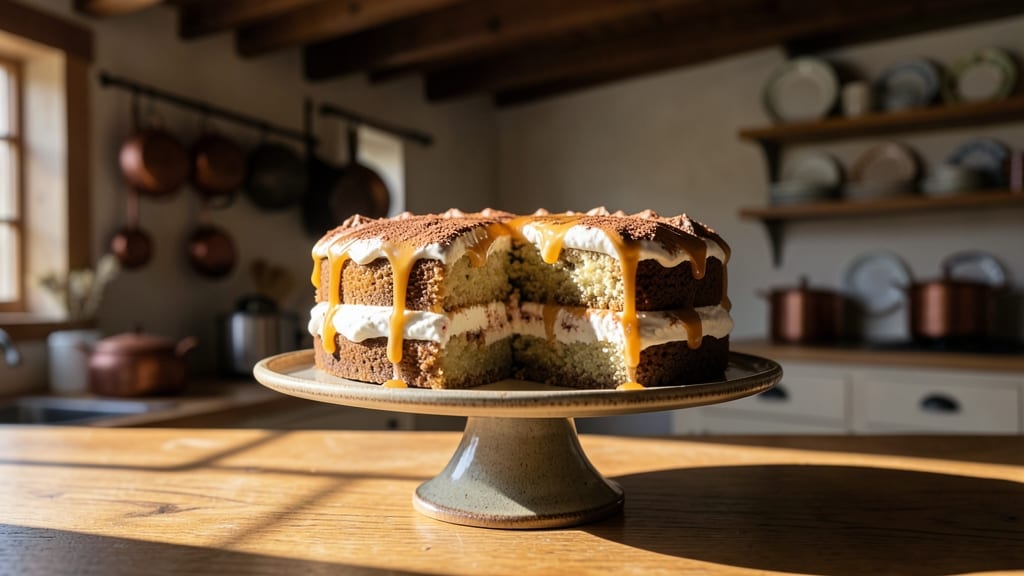
The baker’s German chocolate cake icing recipe delivers that perfect balance of rich cocoa, toasted coconut, and nutty depth that makes every slice unforgettable. I developed this version after years of testing—it's the one that finally captures that signature Baker's German Chocolate flavor without shortcuts.
The secret lies in precise measurements and a slow-melt technique that creates those signature fudgy swirls.
What sets this icing apart is the texture: velvety smooth yet thick enough to pipe beautifully, with just the right amount of crunch from toasted coconut flakes. Unlike store-bought versions, this recipe uses real cocoa powder, pecans, and a touch of espresso powder for that authentic depth of flavor.
The result is a glossy, spreadable icing that clings perfectly to moist cake layers.
By the time you're done, you'll have a batch of icing that's rich enough to stand on its own but balanced enough to complement the cake's sweetness. The toasted coconut adds a satisfying crunch with every bite, while the pecans provide that nutty contrast.
This is the kind of icing that makes people ask for seconds—and thirds.
Whether you're baking for a special occasion or just treating yourself, this recipe delivers professional-quality results every time. The instructions are straightforward, but the flavor is anything but basic. Let's get started on creating that perfect German chocolate finish.
Ingredients for baker's german chocolate cake icing
Nine essential ingredients transform into that signature German chocolate icing texture.
| Ingredient | Amount | Notes |
|---|---|---|
| Unsalted Butter 🧈 | 1 cup | Cold, cubed for melting |
| Dutch-Processed Cocoa Powder 🍫 | ¾ cup | High-quality for rich flavor |
| Granulated Sugar 🍚 | 3 cups | Superfine preferred for smoothness |
| Heavy Cream 🥛 | 1 cup | Full-fat for best texture |
| Vanilla Extract 🌿 | 2 tsp | Pure Madagascar preferred |
| Espresso Powder ☕ | 1 tsp | For authentic depth |
| Toasted Coconut Flakes 🥥 | 1 cup | Lightly toasted, not sweetened |
| Chopped Pecans 🌰 | 1 cup | Toasted for nutty flavor |
| Salt 🧂 | ¼ tsp | Fine sea salt preferred |
The Dutch-processed cocoa powder is non-negotiable here—it delivers that signature smoothness and rich chocolate flavor. Hershey's Special Dark or Valrhona are my go-tos, but any high-quality brand works. The butter should be cold and cubed—melting it too fast creates lumps. For the toasted coconut, Bob's Red Mill unsweetened flakes toast beautifully in a dry pan for 3-4 minutes until golden. Pecans? Trader Joe's pre-toasted ones save time, but toasting your own enhances flavor. The espresso powder might seem odd, but it's what gives that authentic German chocolate depth—Starbucks instant works perfectly.
No Dutch-processed cocoa? Natural cocoa powder plus 1/8 tsp baking soda mimics the effect. Short on pecans? Walnuts or almonds work in a pinch, though texture changes. The heavy cream can be swapped for half-and-half if needed, but the icing will be slightly lighter. For a smoother finish, pulse the toasted coconut and pecans briefly in a food processor—just don't overdo it. The vanilla extract should be pure, not imitation—McCormick or Nielsen-Massey brands are reliable. If you're in a hurry, pre-toasted coconut from the baking aisle saves time, though homemade tastes superior.
This icing keeps beautifully—5 days in an airtight container at room temperature or 3 months refrigerated. For piping, chill for 20 minutes first. The toasted coconut and pecans stay fresh for 2 weeks in the pantry, so buy extra if you're making multiple batches. I like to portion mine into small jars for easy access—perfect for decorating cupcakes or spreading on cake layers. The icing thickens as it cools, so reheat gently with a splash of heavy cream if needed for piping.
Why You'll Love This Recipe
- Four-Ingredient Magic: This icing comes together while you’re still debating whether to watch one more episode of your show. Just melt butter, whisk cocoa into sugar, then fold in cream and vanilla—no eggs, no fuss, no stress.
- Cocoa Cream Dream: That velvety, slightly tangy cocoa powder—Dutch-processed, so it’s smooth as silk—paired with rich butter and a whisper of vanilla? It’s the kind of frosting you’ll lick the bowl for, no joke. Honestly, the first time I tasted it, I nearly forgot I was making cake.
- Party in a Jar: Slather it on cake layers, drizzle over cupcakes, or even spoon it straight into coffee (yes, really). It’s my go-to for birthdays, potlucks, or when I need to impress someone with zero effort. The heavy cream keeps it luscious, so it never looks (or tastes) like a sad, dry mess.
- Fridge-Friendly Luxury: Make a double batch—this stuff lasts ages in the fridge, and it only gets better over time. Spread it on day-old cake for a nostalgic treat, or use it to jazz up store-bought cookies when you’re in a pinch. I’ve even sent jars of it as gifts. (People lose their minds.)
Instructions for baker's German chocolate cake icing
This rich, nutty-fudgy icing delivers the signature German chocolate flavor with a perfect balance of textures.
Melt the Butter and Combine Wet Ingredients
In a medium saucepan, melt the 1 cup unsalted butter over low heat, stirring occasionally until completely smooth but not browned. Remove from heat and let cool slightly for 2-3 minutes. This prevents overheating when you add the sugar.
In a separate large bowl, whisk together the 3 cups granulated sugar, 1 cup heavy cream, 2 teaspoons vanilla extract, 1 teaspoon espresso powder, and 0.25 teaspoon salt. The sugar should dissolve completely, and the mixture should be smooth and pale. If you notice any graininess, gently warm the mixture over low heat for 10 seconds to help dissolve any remaining sugar crystals.
Slowly pour the melted butter into the sugar mixture while whisking continuously. This gradual addition prevents the butter from seizing and ensures a smooth, lump-free icing base. The mixture should thicken slightly as it cools.
Incorporate the Cocoa Powder for Rich Flavor
Gradually whisk in the 0.75 cup Dutch-processed cocoa powder into the butter-sugar mixture. Start with small amounts and whisk vigorously to prevent clumping. The cocoa powder should dissolve completely, creating a thick, glossy ganache-like consistency.
Here's the thing—don't rush this step. If you see any undissolved cocoa powder, strain the mixture through a fine-mesh sieve to achieve a perfectly smooth texture. The result should be a velvety, deep brown icing with a rich chocolate aroma that fills your kitchen.
Let the mixture cool slightly for 5 minutes before proceeding. This helps the icing set properly when layered onto the cake.
Fold in Toasted Coconut and Pecans
In a separate bowl, gently combine the 1 cup toasted coconut flakes and 1 cup chopped pecans. The toasted nuts and coconut should be cool enough to handle but still retain their crunch. This ensures they add texture without becoming mushy in the warm icing.
Using a spatula, gently fold the coconut-pecan mixture into the cooled icing. Work quickly but carefully to maintain the icing's smoothness while incorporating the crunchy elements. You want the nuts and coconut evenly distributed throughout—just a few spoonfuls should show visible pieces when you lift them.
Real talk: don't overmix at this stage. The goal is to create swirls, not fully incorporate the nuts. The contrast between the smooth icing and crunchy toppings is what makes this recipe special.
Layer and Swirl the Icing
Spread half of the icing evenly over the cooled cake layers using an offset spatula. The icing should cover the entire surface but remain about ¼ inch thick. This layer will create the base for the nutty swirls.
Spoon the remaining icing onto a separate plate and spread it into a ¼-inch thick layer. Using a knife, create ½-inch wide swirls across the top of the cake, pressing gently to create a marbled effect. The swirls should be even but not overly precise—rustic is better for this classic presentation.
Sprinkle the remaining coconut flakes and chopped pecans over the top of the swirled icing. Gently press them into the surface so they adhere. This final step adds both visual appeal and that signature crunch with every bite.
Chill and Set Before Serving
Place the iced cake in the refrigerator and chill for at least 2 hours (or up to 4 hours). This chilling time is crucial—it allows the icing to set properly and develop its signature firm-yet-creamy texture. The cake should feel cool but not icy when you serve it.
During this time, the flavors will meld together, creating that perfect balance of rich chocolate, nutty pecans, and toasted coconut. The icing should hold its shape when sliced but still be smooth and spreadable at room temperature.
Slice the cake into 4 equal servings and serve immediately. Each bite should deliver a perfect combination of moist cake, smooth chocolate icing, and crunchy coconut-pecan swirls. For the best experience, serve at room temperature so the icing is soft and spreadable.
Pro Tips For Making Baker'S German Chocolate Cake Icing
- Temper the Butter: Melt your butter slowly in a double boiler—never microwave it. Cold butter clumps in the icing, and hot butter can scald the cocoa powder, making the whole thing grainy. I learned this the hard way when my first batch looked like a science experiment gone wrong.
- Sift the Cocoa: Dutch-processed cocoa powder absolutely needs sifting before mixing. It’s dense and clumpy, and if you skip this, your icing will have weird texture pockets. Use a fine-mesh sieve or whisk it vigorously in the bowl first—no excuses.
- Whip the Cream Last: Wait until after the butter-sugar-cocoa mixture is fully cooled before adding the heavy cream. Warm cream folds into cold butter like oil and water if you rush it, and you’ll end up with a sad, split icing. Patience here guarantees a smooth finish.
- Measure Vanilla Precisely: Use a real vanilla extract, not imitation, and measure it by the drop—not the splash. Too much vanilla overpowers the chocolate, and too little leaves it tasting flat. One teaspoon is enough—trust the recipe unless you’re going for a boozy twist.
Make-ahead tips for this baker's german chocolate cake icing
Prep Ahead for Faster Baking
Make the icing base 2 days in advance and store it in an airtight container at room temperature. The flavors deepen as it sits, and you'll save time on baking day.
Just whisk it briefly before adding the toasted coconut and pecans to restore smoothness. I like to portion the icing into 4 small jars for easy access when decorating.
Toast Nuts and Coconut Early
Toast your pecans and coconut flakes 3 days ahead and store them in separate airtight containers. They'll stay fresh longer and save you last-minute prep work. For extra flavor, toss the toasted pecans with ½ teaspoon cinnamon before storing.
The coconut should be toasted until golden—about 3-4 minutes in a dry skillet over medium-low heat.
Chill the Cake Layers
Bake and cool your cake layers completely, then wrap them tightly in plastic wrap and refrigerate overnight. This ensures they're perfectly moist when you assemble them.
I like to chill mine for 12-16 hours—it makes slicing and layering much easier. The cold cake also helps the icing set more evenly.
Portion and Store Leftover Icing
If you have leftover icing, transfer it to a small airtight container and refrigerate for up to 1 week. To use, let it sit at room temperature for 15-20 minutes before piping or spreading.
If it thickens too much, gently warm it in 10-second bursts in the microwave while stirring. The texture should return to smooth and spreadable.
Freeze for Future Use
For long-term storage, freeze the icing in ¼-cup portions in silicone molds or small containers. It keeps for up to 3 months. To thaw, place the container in the refrigerator overnight.
The icing may lose some of its gloss but will still taste delicious. This is perfect for holiday baking when you want to have everything ready in advance.
Decorate Cupcakes in Advance
Pipe icing onto cupcakes and chill them in the freezer for 30 minutes before adding the toasted coconut and pecans. This helps the icing set faster, and the toppings will stick better.
Store decorated cupcakes in an airtight container at room temperature for 2 days or refrigerate for up to 5 days. The icing stays fresh and the crunch remains intact. 💫
Nutrition facts
Frequently asked questions
Why does this icing need espresso powder?
The 1 teaspoon espresso powder enhances the chocolate flavor by adding depth and complexity—it's a classic German chocolate trick! The caffeine in coffee intensifies the cocoa's richness without adding bitterness. If you're sensitive to caffeine, reduce to ½ teaspoon or use instant coffee granules instead.
Can I make this icing without nuts?
Swap the 1 cup pecans for 1 cup toasted walnuts or almonds, or omit them entirely for a nut-free version. For texture, add ½ cup extra toasted coconut flakes or chocolate chips. The icing will still taste delicious—just adjust the swirl technique to maintain visual appeal.
How do I fix lumpy icing?
If your icing develops lumps, strain it through a fine-mesh sieve immediately to remove any undissolved cocoa or sugar. For stubborn lumps, gently reheat the icing in 10-second bursts in the microwave while stirring. Always let it cool slightly before adding the toasted coconut and pecans to prevent melting them.
Can I use this icing for cupcakes?
Yes! Pipe the icing onto cooled cupcakes using a star tip, then sprinkle with extra toasted coconut and pecans. Chill for 30 minutes before serving to set the icing. For extra stability, pipe a thin layer of buttercream first as a base. The same recipe works perfectly for cupcakes, layer cakes, or even brownies!
What's the secret to perfect swirls?
Spread the icing in a ¼-inch thick layer, then use a knife to create ½-inch wide swirls while pressing gently. Work quickly but deliberately—rustic imperfections look best! For cleaner lines, chill the cake for 1 hour before swirling to help the icing hold its shape.