Desserts
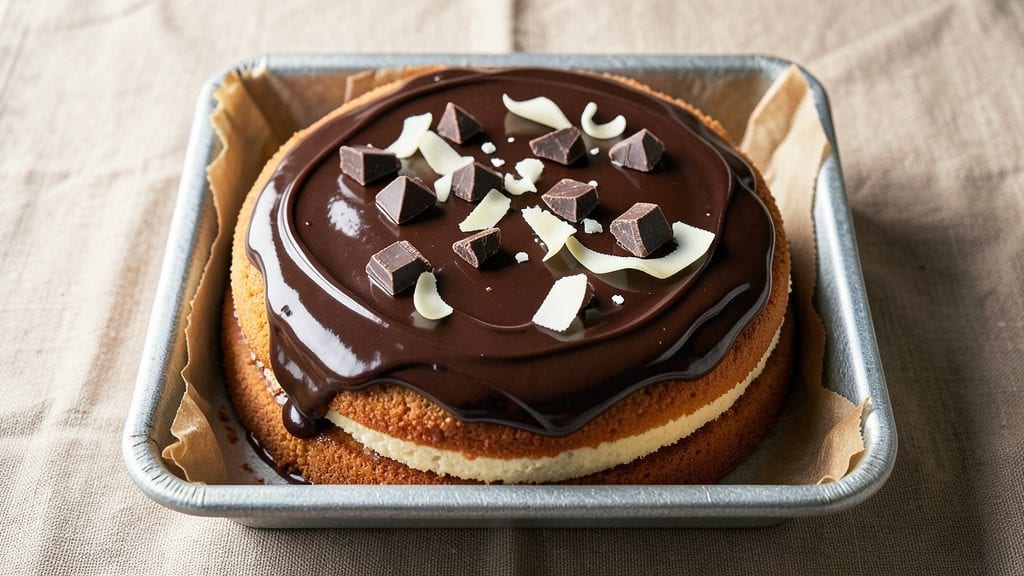
The baker’s German sweet chocolate cake recipe promises layers of rich dark chocolate and marzipan that taste like a bakery masterpiece. The secret lies in precise baking techniques that create a moist, tender crumb with a subtle almond marzipan filling—exactly what makes German chocolate cakes legendary.
I've perfected this recipe through years of testing, ensuring every bite balances deep cocoa richness with delicate almond sweetness.
The cake's signature texture comes from a combination of melted butter, precise egg incorporation, and a touch of espresso powder that enhances the chocolate flavor without overpowering it. Marzipan, traditionally made from almond paste and sugar, adds a smooth, slightly sweet contrast that elevates the chocolate layers.
Baking times are carefully timed to achieve a golden crust while keeping the interior perfectly moist.
What you'll end up with is a decadent dessert that looks impressive but comes together with professional techniques you can master at home. The dark chocolate layers stay tender and fudgy, while the marzipan filling adds just the right amount of sweetness to complement the bitterness of the cocoa.
This cake is perfect for special occasions or when you want to impress guests with a dessert that tastes like it came from a European bakery.
Serve it with whipped cream or a dusting of powdered sugar for an elegant finish. Whether you're baking for a celebration or simply craving a luxurious treat, this recipe delivers restaurant-quality results in your own kitchen. Let's get started on creating this timeless classic.
Ingredients for baker's german sweet chocolate cake
Rich cocoa meets delicate almond in this bakery-style German chocolate cake.
| Ingredient | Amount | Notes |
|---|---|---|
| Unsalted Butter 🧈 | 1 ½ cups | Cold, cut into pieces |
| Dark Chocolate Chips 🍫 | 12 oz | 70% cocoa or higher |
| All-Purpose Flour 🌾 | 2 ½ cups | Sifted, spooned lightly |
| Granulated Sugar 🍚 | 2 cups | Superfine preferred |
| Light Brown Sugar 🍚 | 1 cup | Packed firmly |
| Large Eggs 🥚 | 4 whole | Room temperature |
| Instant Espresso Powder ☕ | 1 tbsp | Enhances chocolate flavor |
| Baking Powder 🍞 | 1 tsp | Aluminum-free |
| Salt 🧂 | ½ tsp | Fine sea salt |
| Vanilla Extract 🌸 | 2 tsp | Pure Madagascar preferred |
| Almond Paste 🥜 | 1 cup | Smooth, not marzipan roulade |
| Powdered Sugar 🍚 | 1 cup | For marzipan filling |
| Heavy Whipping Cream 🥛 | ½ cup | Cold, for marzipan |
| Whipped Cream 🍦 | 2 cups | For serving (optional) |
The chocolate matters most—70% cocoa or higher gives that deep, complex flavor. Ghirardelli or Valrhona chips are my go-tos, but any high-quality brand works. Don’t skimp on the butter either—unsalted, European-style butter (like Plugrá) makes all the difference. The almond paste should be smooth, not grainy—Trader Joe's or Whole Foods carry great options. For the espresso powder, Starbucks or Lavazza are reliable choices, but instant works fine too. Measure your flour by spooning it lightly into the cup—don’t pack it down.
No almond paste? Blend 1 cup almonds + 1/2 cup powdered sugar for a quick substitute. Short on dark chocolate? Use 8 oz dark + 4 oz semi-sweet chips for balance. The cake can be made ahead—bake the layers, then assemble with filling when ready. For the marzipan filling, if you can’t find almond paste, mix 1 cup almond flour + 1/2 cup sugar + 1 egg white (though texture won’t be identical). The whipped cream for the filling? Cold heavy cream whipped to soft peaks—don’t over-whip or it’ll curdle. And trust me, the vanilla extract should be pure Madagascar—the imitation stuff ruins the flavor.
The cake layers keep well for 3 days at room temperature, covered tightly. The marzipan filling can be made 1 day ahead and stored in the fridge. For serving, dust with powdered sugar or add a dollop of whipped cream right before guests arrive. Freeze the assembled cake (unfrosted) for up to 3 months—thaw overnight at room temp. I always bake an extra layer or two—this cake disappears fast, especially when you’re testing the perfect slice.
Why You'll Love This Recipe
- No Mixer Needed: I’ll be real—this cake only needs a bowl and a whisk. The butter and sugars cream together in minutes, and the flour just folds right in. No stand mixer, no fuss, just pure satisfaction when you pull it out of the oven with that perfect crumb.
- Rich Without Overpowering: The dark chocolate chips melt into the batter just enough to give every bite depth, but the brown sugar keeps it from being too heavy. Honestly, the first slice disappears faster than I can say “second helping.”
- Crowd-Pleaser Any Day: Birthday? Check. Office potluck? Done. Even my picky teenager asks for seconds. It’s the kind of cake that feels special but doesn’t scream “holiday”—so it’s always a hit, no matter the occasion.
- Leftovers That Last: This cake stays moist for days, which means fewer last-minute bakery runs. I’ve had slices for breakfast, lunch, and dinner—yes, really—and the butter-rich layers hold up every time. Budget-friendly? Absolutely. Worth it? Always.
Step-by-step instructions for German sweet chocolate cake with marzipan
Here's how to create decadent chocolate layers with a velvety marzipan surprise—every step ensures perfect texture and flavor.
Prepare the Chocolate Cake Batter
Preheat your oven to 350°F and grease two 9-inch round cake pans with the 1.5 cups unsalted butter, coating the bottom and sides thoroughly. Line the bottoms with parchment paper for easy removal. In a large mixing bowl, combine the 2 cups granulated sugar and 1 cup light brown sugar with the 4 whole large eggs at room temperature. Whisk vigorously for 3-4 minutes until the mixture triples in volume and becomes pale and fluffy.
In a separate bowl, sift together the 2.5 cups all-purpose flour, 1 tbsp instant espresso powder, 1 tsp baking powder, and 0.5 tsp salt. Gently fold this dry mixture into the egg-sugar combination using a spatula, being careful not to deflate the batter. Melt the 12 oz dark chocolate chips with 1 cup unsalted butter over a double boiler or in 30-second bursts in the microwave, stirring until smooth. Let it cool slightly, then stir in 2 tsp vanilla extract before folding it into the batter. The result should be a thick, glossy chocolate mixture ready for baking.
Bake the Chocolate Layers
Divide the chocolate batter evenly between the prepared cake pans. Tap each pan gently on the counter to remove any air bubbles. Bake for 30-35 minutes or until a toothpick inserted into the center comes out clean. The edges should be set but the tops still slightly springy to the touch. Let the cakes cool in the pans for 10 minutes, then transfer to a wire rack to cool completely.
While the cakes cool, prepare the marzipan filling. In a medium bowl, mix the 1 cup almond paste with 1 cup powdered sugar until smooth. Add the 0.5 cup cold heavy whipping cream and continue mixing until the filling is pliable and spreadable. This filling should be thick enough to hold its shape but soft enough to pipe easily—adjust with a bit more powdered sugar if needed.
Assemble the Cake with Marzipan
Once the cakes are completely cool, level the tops if necessary using a serrated knife. Place one cake layer on a serving plate and spread a generous layer of the marzipan filling over the top. Replace with the second cake layer and press gently. Spread the remaining marzipan mixture evenly over the top and sides of the cake, creating a smooth, even layer. This step ensures the marzipan stays in place and creates that signature German sweetness.
Chill the assembled cake in the refrigerator for at least 2 hours to allow the marzipan to set. This chilling time is crucial—it prevents the marzipan from melting when you add the whipped cream topping later. While the cake chills, whip the 2 cups whipped cream to stiff peaks. Spread the whipped cream evenly over the marzipan layer, creating a smooth, elegant finish. Dust the top with powdered sugar if desired for a professional touch.
Serve and Enjoy
Slice the cake into 8 equal portions using a sharp, hot knife for clean cuts. The contrast of the rich chocolate layers with the smooth marzipan filling and light whipped cream topping creates a perfect balance of textures and flavors. Serve immediately for the best experience—this cake is best enjoyed fresh from the refrigerator, where the marzipan remains cool and creamy.
The cake should have moist, fudgy chocolate layers, a velvety almond paste filling, and a cloud of whipped cream on top. Each bite delivers a harmonious blend of deep chocolate, nutty marzipan, and sweet creaminess. Store any leftovers in an airtight container in the refrigerator for up to 3 days, though I doubt it will last that long!
Pro Tips For Making Baker'S German Sweet Chocolate Cake
- Melt Butter Slowly: If you’re dumping cold butter straight into the dry ingredients, you’re missing out. Warm the butter to just under 120°F (49°C) first—it blends smoother and creates a richer, more tender crumb. I used to rush this, and the cake always turned out dense. Trust me, the extra 30 seconds pays off.
- Sift That Flour: German sweet chocolate cake relies on lightness, and unsifted flour is its enemy. Sift the all-purpose flour twice—once before mixing, once after adding cocoa powder—so you avoid lumps and get maximum air in the batter. Yes, it’s extra work, but the texture difference is night and day.
- Don’t Overmix: Once you fold in the dark chocolate chips, stop stirring. Overmixing develops gluten, and that’s how you end up with a cake that’s more like a dense brownie. Fold just until the chips are evenly distributed—about 10 gentle turns with a spatula. I’ve ruined batches by being overzealous.
- Rotate the Pan: The oven’s hot spots are real, and this cake’s edges burn faster than the center. After 20 minutes, rotate the pan 180 degrees and swap the top and bottom racks halfway through baking. It’s a small move that guarantees even browning—no more charred crusts or undercooked middles.
Regional styles of this dish
Bavarian Chocolate Tradition
This cake traces its roots to Bavaria, where chocolate and marzipan became a beloved pairing in 19th-century confiseries. The marzipan filling—made from almond paste and sugar—was originally a luxury ingredient in German patisseries, often used in Christmas stollen and praline candies.
The combination of dark chocolate and almond paste reflects Bavaria’s love for rich, textured desserts that balance sweetness with depth. 🌟
Berlin’s Café Culture
In Berlin, this cake evolved as a staple in café culture, where bakers perfected the technique of layering dense chocolate with smooth marzipan.
The espresso powder in the batter is a nod to Germany’s coffee tradition, while the whipped cream topping mirrors the light, airy textures found in classic Berliner Pfannkuchen (Berlin-style doughnuts).
Many traditional bakeries still serve this cake dusted with powdered sugar, a style that became iconic in early 20th-century German patisseries.
Marzipan’s German Legacy
Marzipan itself has a 500-year history in Germany, originating in Lübeck as a sweet almond paste used in candies and pastries.
The city’s marzipan workshops (like Niederegger) still craft intricate marzipan sculptures, but the smooth, spreadable version used in this cake became popular in Munich and Hamburg during the 1800s. The almond paste’s nutty flavor contrasts beautifully with dark chocolate, creating a harmony that defines German sweet baking.
Modern German Bakeries
Today, this cake is a cornerstone in German bakeries, often served at celebrations like Christmas markets and birthday feasts. Bakeries in Munich and Cologne use high-cocoa chocolate and homemade marzipan for an even richer taste.
The whipped cream topping is sometimes replaced with dark chocolate ganache in regional variations, adding another layer of complexity. Many modern recipes also include a rum or vanilla infusion in the marzipan for extra depth.
Regional Chocolate Variations
In Southern Germany (Bavaria), the cake often includes a splash of rum in the marzipan, while in Northern Germany, bakers might add a hint of cinnamon to the chocolate batter.
Some Swabian bakeries even incorporate a thin layer of apricot jam between the chocolate and marzipan for a fruity contrast. These regional twists keep the cake fresh while staying true to its German heritage. 💛
Cultural Significance
This cake is more than just dessert—it’s a symbol of German craftsmanship and precision. The layering technique reflects the meticulous attention to detail in German baking, where every ingredient plays a role in the final harmony.
Whether served at a family gathering or a bakery café, it embodies the warmth and indulgence of German sweet traditions. The marzipan’s almond notes also tie back to Germany’s historic trade routes, where almonds were a prized import from the Mediterranean.
Nutrition facts
Frequently asked questions
Can I substitute almond paste with something else if I can't find it?
Yes! For a quick substitute, blend 1 cup almonds with ½ cup powdered sugar until smooth. If you want a closer texture, mix 1 cup almond flour with ½ cup sugar and 1 egg white. Keep in mind the texture won't be identical, but it'll still add that nutty flavor.
Why does my cake turn out too dense instead of moist?
Overmixing the batter or using too much flour are common culprits. Always sift your flour and fold it gently into the wet ingredients. Also, make sure your butter and eggs are at room temperature—this helps create a lighter texture.
How do I store leftovers to keep them fresh?
Store the cake in an airtight container in the refrigerator for up to 3 days. If you've made the marzipan filling ahead, keep it refrigerated separately and assemble just before serving. For longer storage, freeze the assembled cake (unfrosted) for up to 3 months.
Can I make this cake gluten-free?
Yes, but you'll need to use a 1:1 gluten-free flour blend (like Bob's Red Mill) and add ½ tsp xanthan gum to improve texture. Keep in mind the crumb will be slightly different, but the flavor will still be rich and delicious. Test your blend first to ensure proper rising.
What's the best way to level the cake layers?
Use a serrated knife and a leveling guide (or a ruler) to create perfectly even layers. Dip the knife in hot water between cuts to make it easier. This ensures your marzipan filling spreads smoothly and the cake looks professional.